Crataegus turkestanica
Pojark.
Turkestan hawthorn
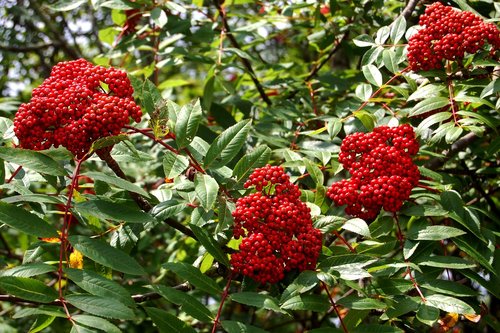
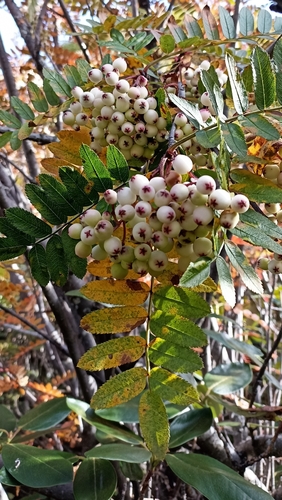
iNaturalist· cc-by-nc
(c) Наталья Бешко, some rights reserved (CC BY-NC), uploaded by Наталья Бешко
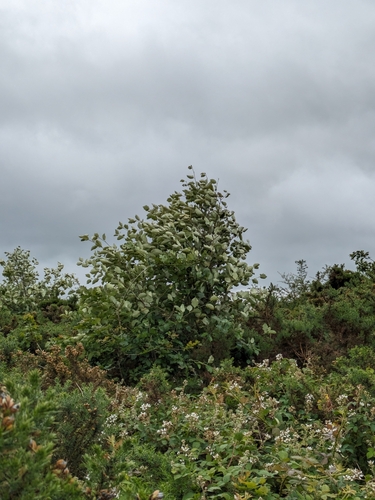
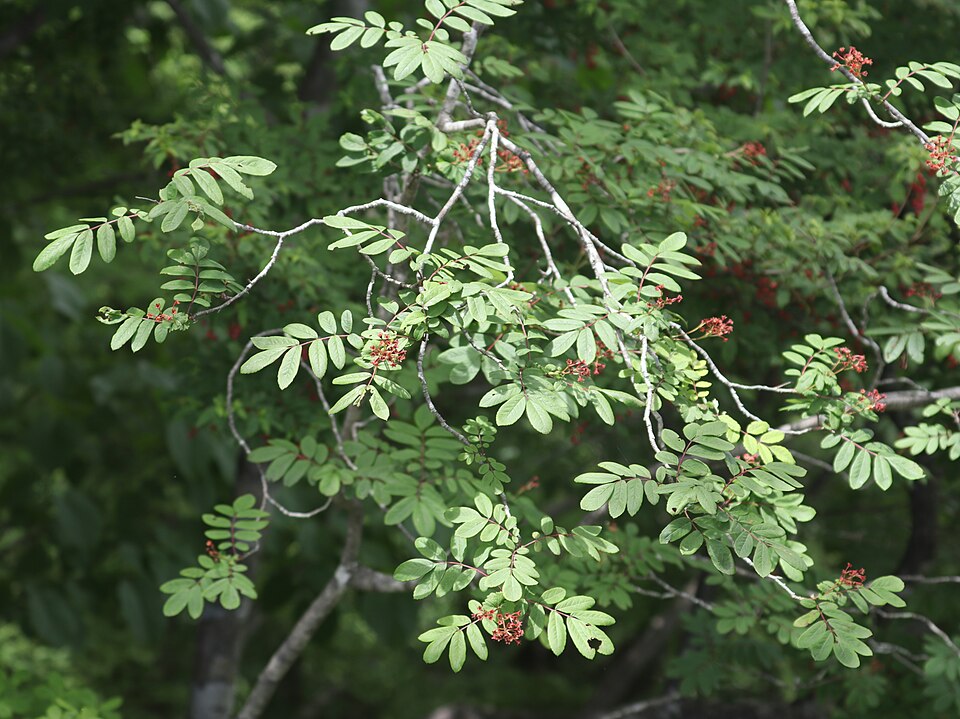
iNaturalist· cc-by-nc
(c) Pavel Gorbunov, some rights reserved (CC BY-NC)
Summary
Source: WikipediaCrataegus turkestanica, the Turkestan hawthorn, is a species of hawthorn found in Central Asia, Afghanistan and Iran. They are typically found in association with Juglans regia. Some authorities have it as a synonym of Crataegus pseudoheterophylla subsp. turkestanica.
Description
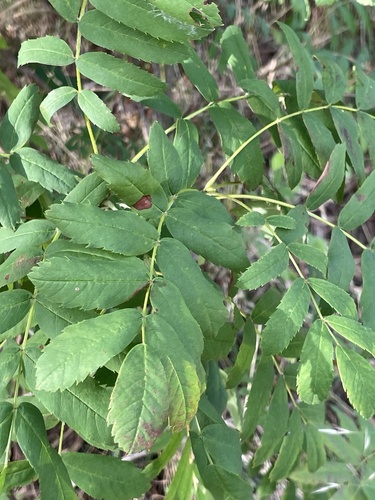
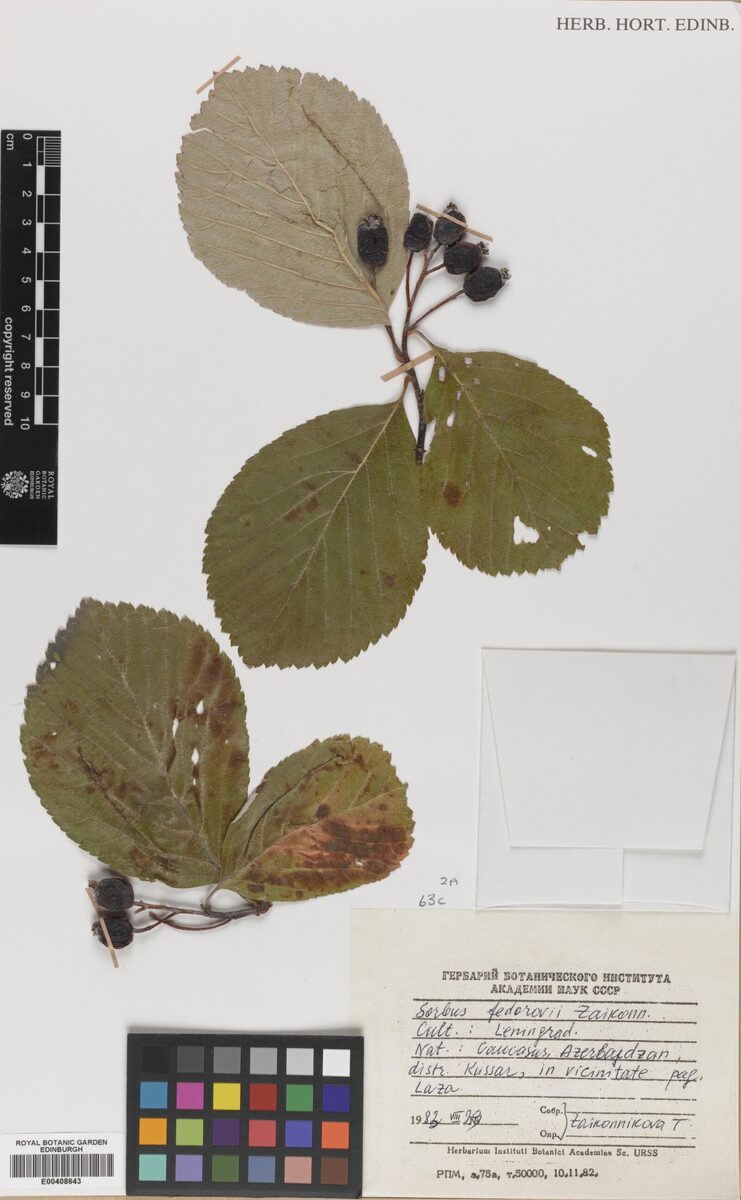
A tree. It is strongly branched. The crown is thick. It grows 7-8 m tall. The trunk is grey-brown. There are thin spines about 1 cm long. The leaves are oval and 3.5 cm long. There are 5-7 unequal lobes. These have teeth along the edge. The young leaves are reddish-green but turn bright green. Young leaves are hairy. Flowers are in groups of 12-15. They are white. The fruit are rounded or oval and bright red. They are edible. The seeds are large.
Edible Uses
The rounded or oval bright red fruits are edible.
Distribution
It is a temperate plant.
Where It Grows
Asia, Central Asia, Kazakhstan, Kyrgyzstan, Tajikistan, Turkestan, Uzbekistan,
Cultivation
It is grown from seed.
Production
A fruit weighs 0.8 g.
Also Known As
Qizil dulana
References (2)
- Dzhangaliev, A. D., et al, 2003, The Wild Fruit and Nut Plants of Kazakhstan, Horticultural Reviews, Vol. 29. pp 305-371
- Khojimatov, O. K. et al, 2015, Some wild growing plants in traditional foods of Uzbekistan. Journal of Ethnic Foods. 2 (2015) 25-28