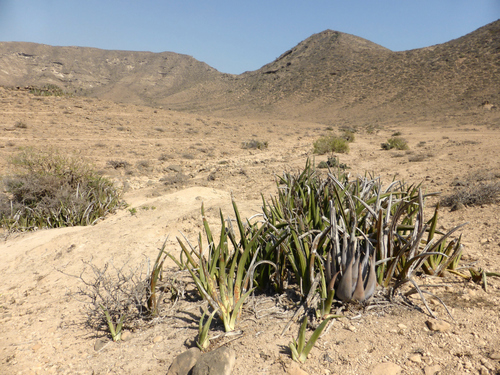
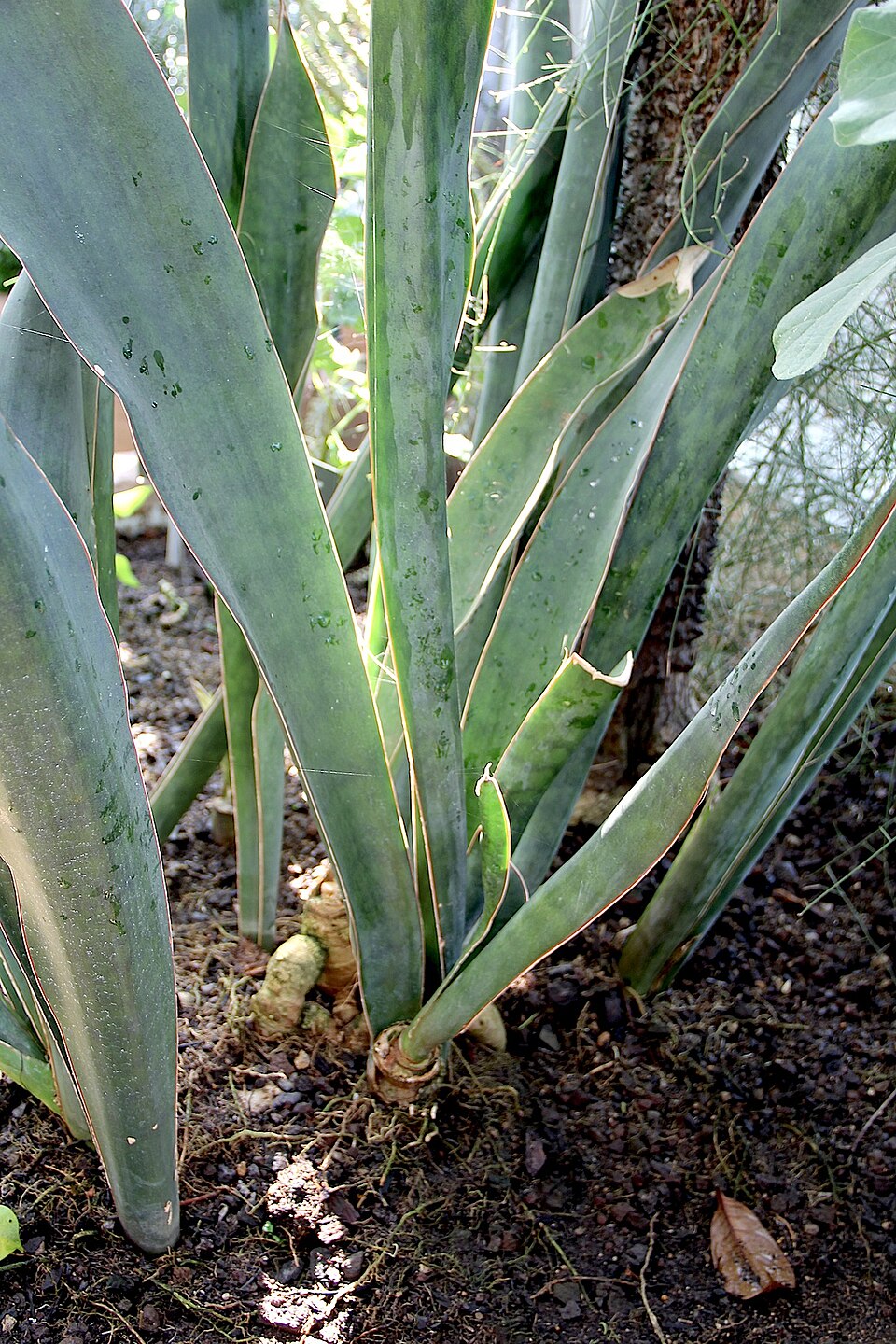
Yucca carnerosana
(Trel.) McKelvey
Palma barreta
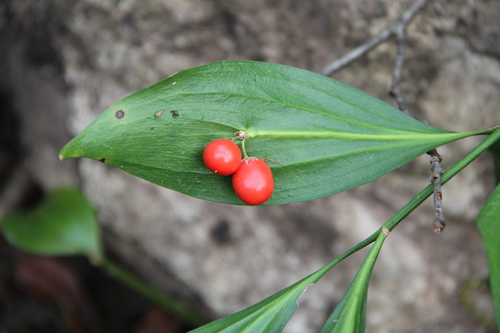
iNaturalist· cc-by-nc
(c) Zona Sujeta a Conservación Ecológica Sierra de Zapalinamé, some rights reserved (CC BY-NC), uploaded by Zona Sujeta a Conservación Ecológica Sierra de Zapalinamé
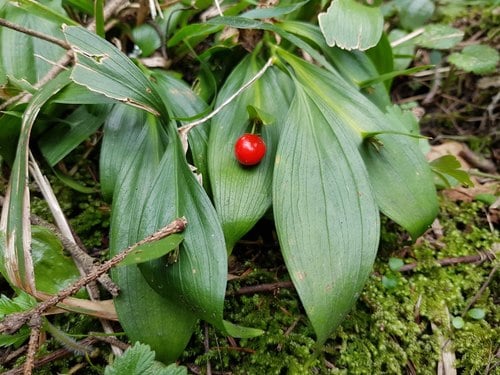
iNaturalist· cc-by-nc
(c) Pedro Nájera Quezada, some rights reserved (CC BY-NC), uploaded by Pedro Nájera Quezada
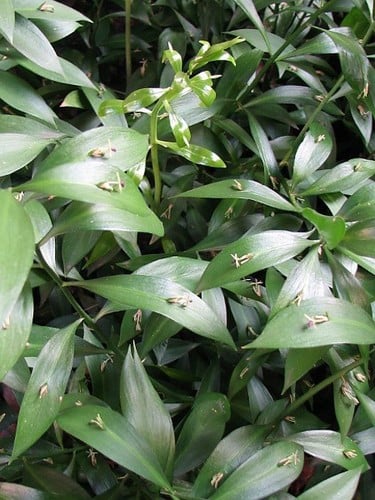
iNaturalist· cc-by-nc
(c) Arturo Medina, some rights reserved (CC BY-NC), uploaded by Arturo Medina
Summary
Source: WikipediaYucca carnerosana, commonly known as the giant Spanish dagger, is a species of North American plant in the asparagus family that grows in arid and desert climate areas. In the United States, it is confined to only a few counties in western Texas, where endemic populations are found in rocky outcrops. The species is, however, widely distributed in northern Mexico (Coahuila, Durango, Zacatecas, Nuevo León). It has a wide range and is abundant, and although it has local threats, its population appears to be stable overall. This yucca is cultivated in a few areas such as the western United States, along the lower Pacific and Atlantic coasts of the United States, in parts of southern Europe, as well as other locations. Yucca carnerosana is branched and arborescent, up to 20 feet tall, with snowy white flowers.
Description
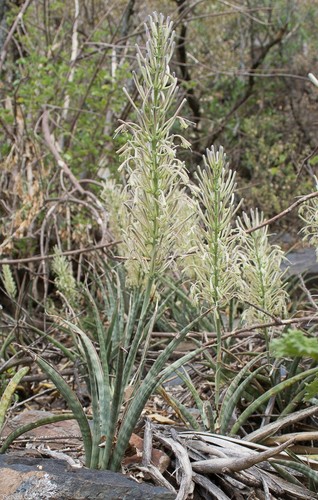
A tree. It develops a trunk 1.5-6 m high. It has a ring of long narrow leaves. The leaves are dark dull green and 60-110 cm long and 6-8 cm wide and 4-8 mm thick. They end in a sharp point. The flower stalk is 1 m long. The flowers are cream white. It can flower twice a year. The fruit grow along the upper part of the flower stalk.
Edible Uses
The flowers are cooked and eaten, including the gynoecium and androecium. Young flower clusters are eaten boiled or roasted. The fruit is also edible.
Traditional Uses
The flowers (with the gynoecium and androecium) are cooked and eaten. The young flower clusters are eaten, boiled or roasted.
This uses section is brief — help expand it
Distribution
It is a subtropical plant. It grows up to 3,000 m altitude.
Where It Grows
Australia, Mexico, North America, USA,
Cultivation
Plants can be grown from seeds or vegetatively. The plant is used as a hedge or live fence.
Production
Plants can live for 50-75 years.
Notes
The leaves are used for fibre. Also put in the family Agavaceae.
Synonyms
Also Known As
Palma barreta, Palma loca, Palma pita
References (7)
- Astrada, E., et al, 2007, Ethnobotany in the Cumbres de Monterrey National Park, Nuevo Leon, Mexico. Journal of Ethnobiology and Ethnomedicine 3:8
- Facciola, S., 1998, Cornucopia 2: a Source Book of Edible Plants. Kampong Publications. p 3 (As Samuela carnerosana)
- FAO, 2012, Forest Genetic Resources Situation in Mexico. Final Report of Project TCP/ 3301 p 289
- Kermath, B. M., et al, 2014, Food Plants in the Americas: A survey of the domesticated, cultivated and wild plants used for Human food in North, Central and South America and the Caribbean. On line draft. p 933
- Piedra-Malagón, E. M. et al, 2022, Edible native plants of the Gulf of Mexico Province. Biodiversity Data Journal 10: e80565 p 13
Show all 7 references Hide references
- Rept. Missouri Bot. Gard. 13:118. 1902 (As Samuela carneosana)
- Sheldon, S., 1980, Ethnobotany of Agave lecheguilla and Yucca carnerosana in Mexico's Zona Ixtlera. Economic Botany 34(4), pp. 376-390