Casearia obovalis
Poeppig ex Grisevach
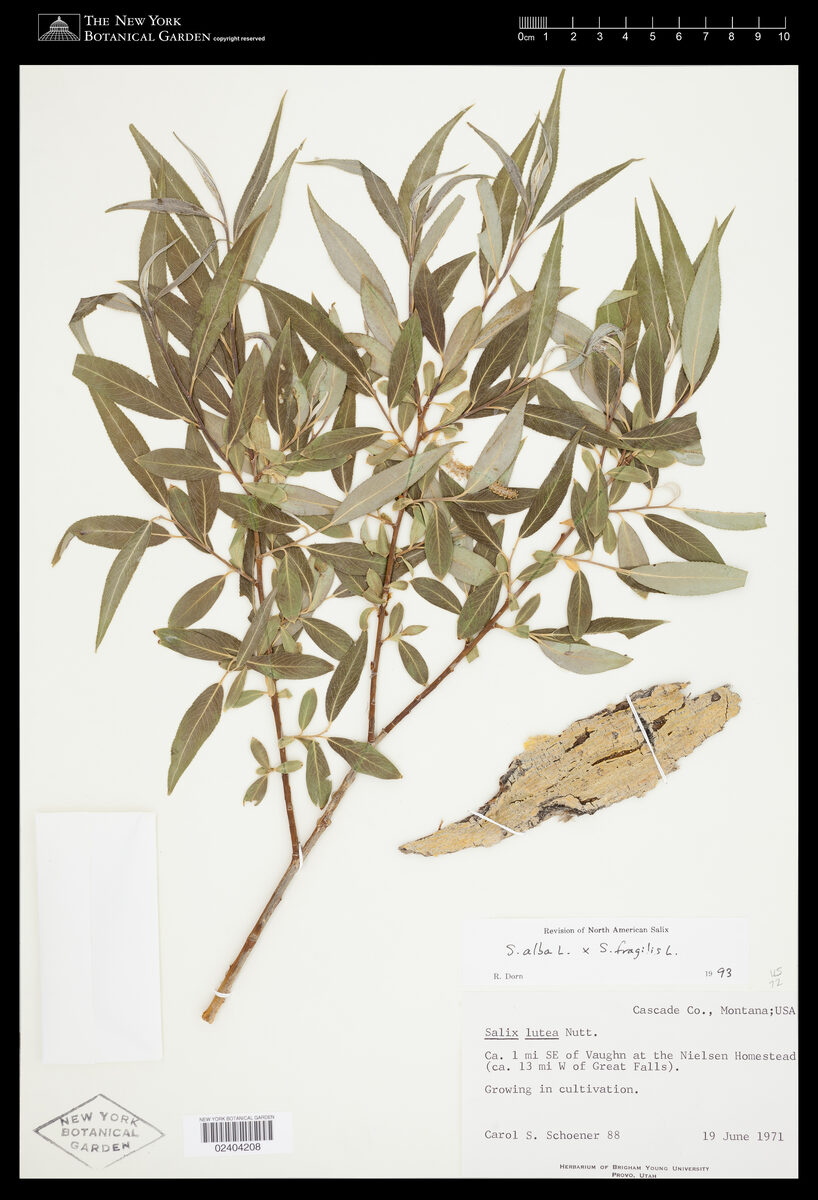
iNaturalist· cc0
no rights reserved, uploaded by Círculo de Investigación en Taxonomía, Florística y Ecología Vegetal
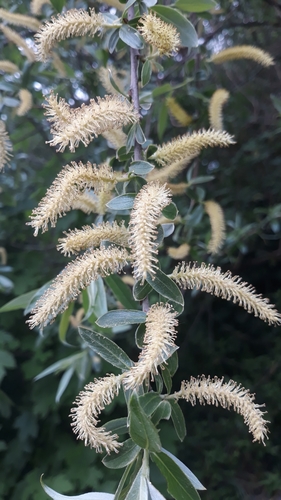
iNaturalist· cc0
no rights reserved, uploaded by Círculo de Investigación en Taxonomía, Florística y Ecología Vegetal
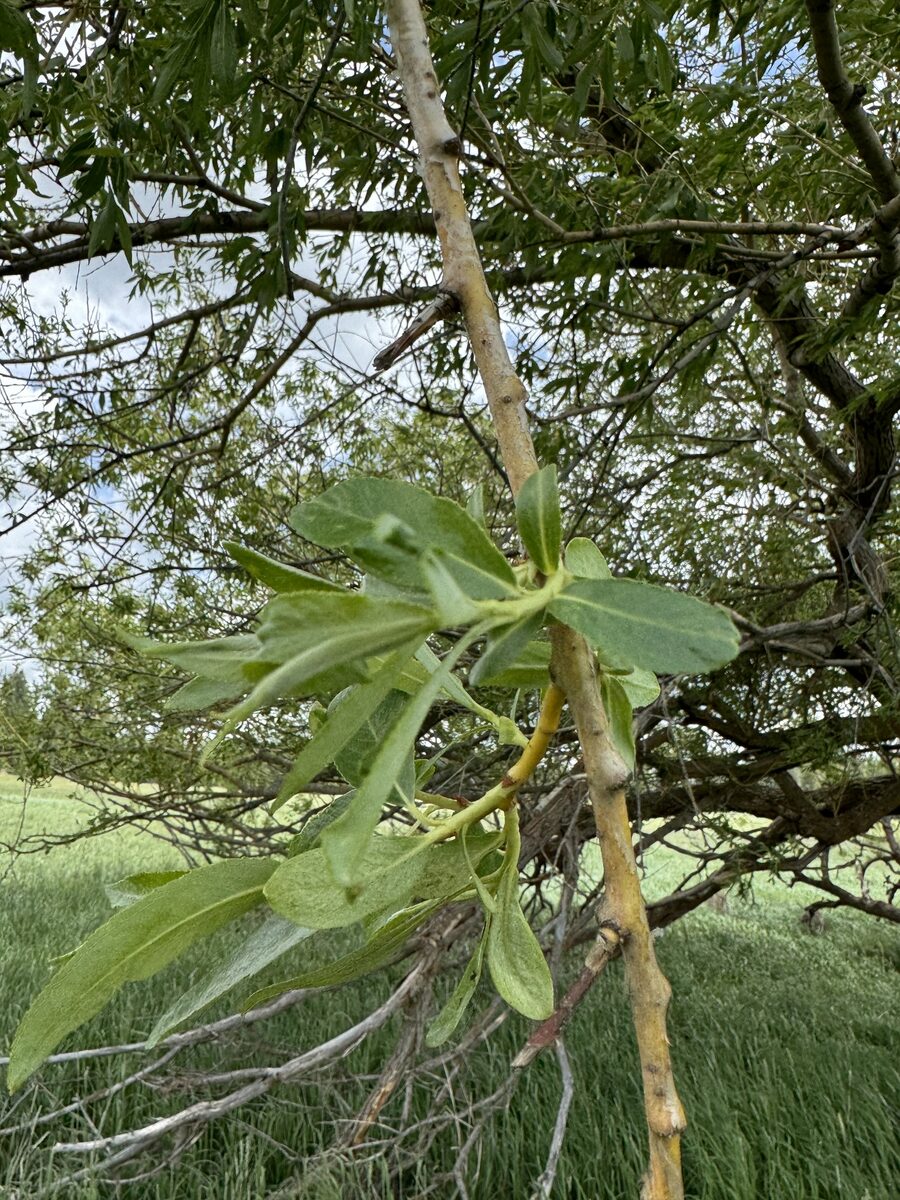
iNaturalist· cc-by
(c) Skjold Søndergaard, some rights reserved (CC BY), uploaded by Skjold Søndergaard
Description
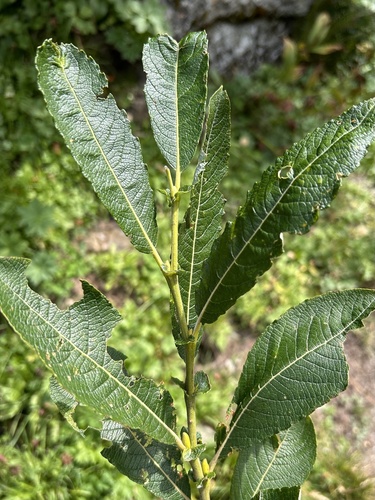
A shrub or small tree. It grows up to 10 m high. The trunk is 12 cm across. The young branches are very slender. The leaves are 8-14 cm long by 3-6 cm wide. The fruit capsule is round and yellow to orange. They are 3-5 cm across. There are about 10 seeds.
Edible Uses
The fruit is eaten.
Distribution
It is a tropical plant. It grows in lowland forest from sea level up to about 1,000 m altitude.
Where It Grows
Amazon, Bolivia, Brazil, Columbia, Ecuador, Peru, South America,
Notes
There are 160-180 Casearia species. They are mostly in South America. 75 occur in tropical America. They have also been put in the plant family Flacourtiaceae.
References (4)
- Grandtner, M. M. & Chevrette, J., 2013, Dictionary of Trees, Volume 2: South America: Nomenclature, Taxonomy and Ecology. Academic Press p 107
- NYBG herbarium "edible"
- Roa, J. A. G. & Boada, D. S. G., 2018, Fundación para el Fortalecimiento de la Fruticultura y Plantas Alimenticias no Convencionales en Colombia.
- Sleumer, H. O., 1980, Flacourtiaceae. Flora Neotropica, Vol. 22, Flacourtiaceae, pp. 1-499