Saurauia villosa
DC.
iNaturalist· cc-by-nc
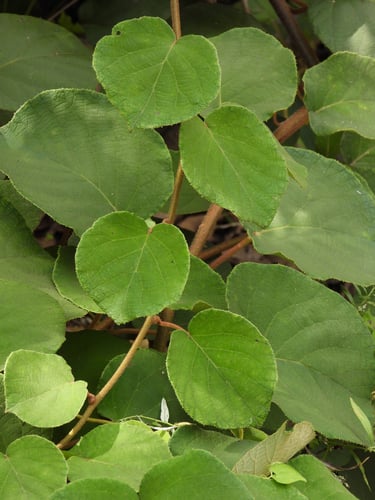
(c) José Rodriguez, some rights reserved (CC BY-NC), uploaded by José Rodriguez
iNaturalist· cc-by-nc
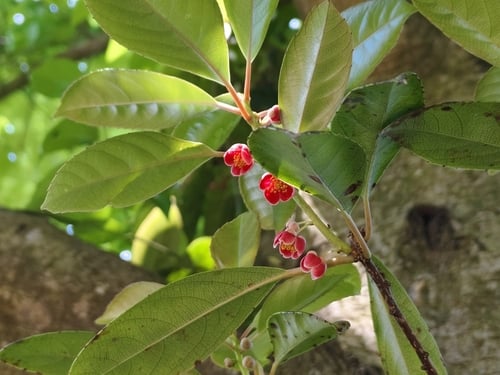
(c) José Rodriguez, some rights reserved (CC BY-NC)
Summary
Source: WikipediaSaurauia villosa is a species of plant in the Actinidiaceae family. It is endemic to the Mesoamerican countries of Mexico, Guatemala, El Salvador, and Honduras. It is a small tree found in cloud forests, as well as pine-oak forests and secondary forests.
Description
A tropical shrub or small tree in the kiwifruit family growing 2-12 m tall. It inhabits damp forests at elevations between 900-2,700 m and produces heavy fruit crops.
Edible Uses
The fruit are eaten raw or cooked.
Traditional Uses
The fruit are eaten raw or cooked.
This uses section is brief — help expand it
Distribution
It is a tropical plant. It grows in damp forests. It can grow between 900-2,700 m above sea level.
Where It Grows
Central America, Costa Rica, Guatemala, Honduras, Mexico, North America,
Cultivation
A plant of the moist tropics, where it is found at elevations from 750 - 2,700 metres. The plant fruits very heavily.
Other Uses
We have no information on the wood of this species, but the following is a general description of the wood from species in this genus. The wood is little used, except locally for fuel. It is a pale reddish brown throughout; not attractive; lustre rather low; odourless and tasteless; rather light, but firm, tough, and strong; texture medium; grain straight; easy to cut, saws finely woolly, is rather hairy under the plane; probably not durable. Useful locally for general carpentry and interior construction.
Also Known As
Ajob, Mameyito, Pipicho, To-no
References (3)
- Fern, K., 2012, Tropical Species Database http://theferns.info/tropical/
- Kermath, B. M., et al, 2014, Food Plants in the Americas: A survey of the domesticated, cultivated and wild plants used for Human food in North, Central and South America and the Caribbean. On line draft. p 788
- Lentz, D. L., 1986, Ethnobotany of the Jicaque of Honduras. Economic Botany 40(2):210-219