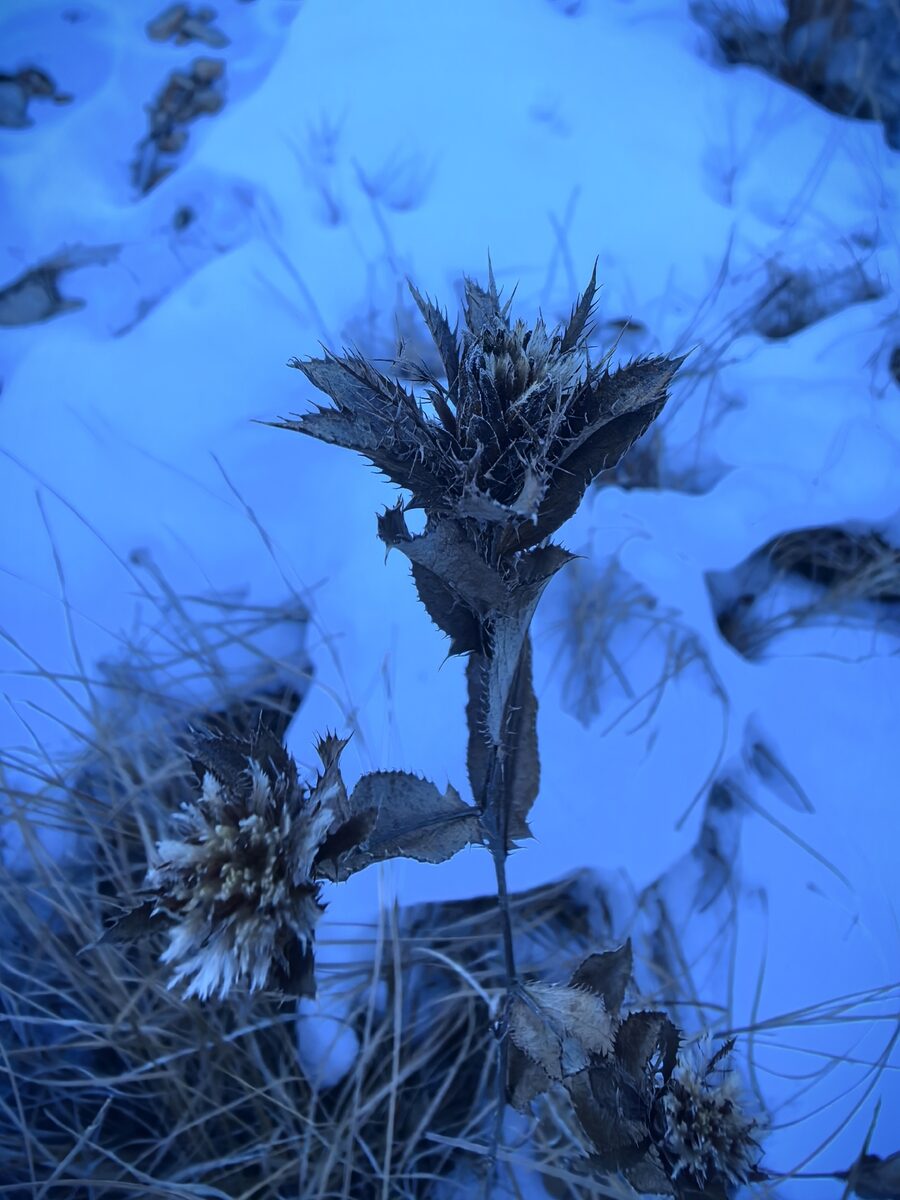
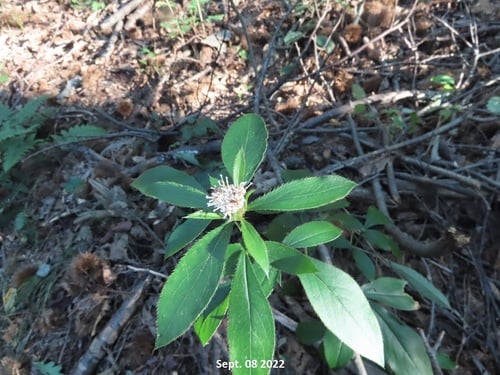
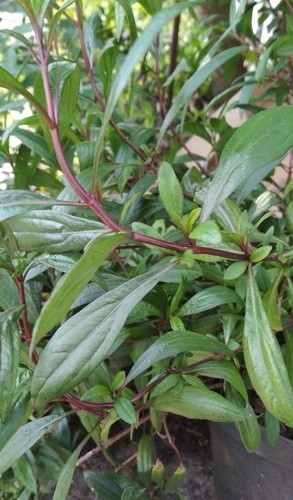
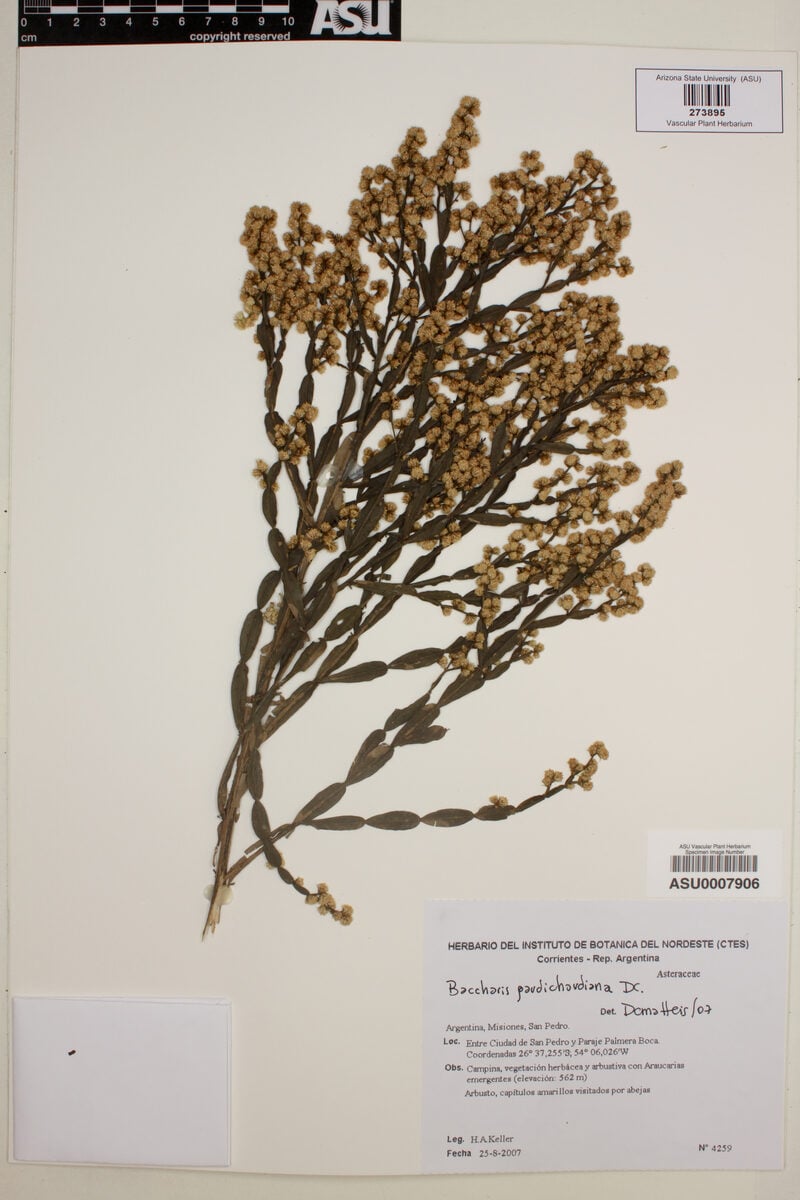
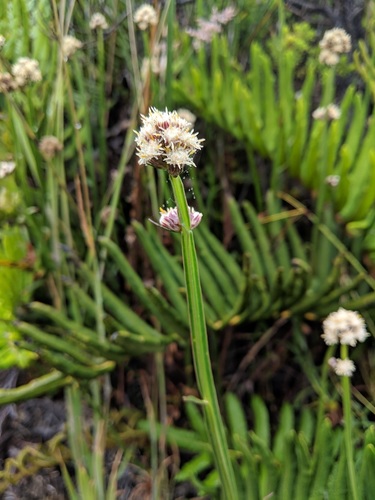
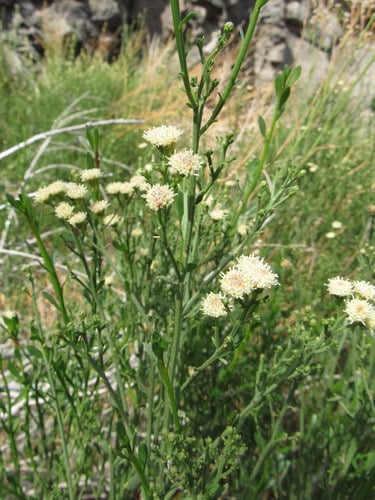
Matricaria aurea
(Loefl.) Schultz Bip.
Golden cotula
iNaturalist· cc-by-nc-sa
(c) יאיר אור, some rights reserved (CC BY-NC-SA), uploaded by יאיר אור
iNaturalist· cc-by-nc
(c) Abdulnaser Abdulkarim, some rights reserved (CC BY-NC)
iNaturalist· cc-by-nc
(c) Abdulnaser Abdulkarim, some rights reserved (CC BY-NC)
Summary
Source: WikipediaMatricaria aurea is a species of plants in the family Asteraceae.
Description
A herb. It grows 20 cm tall. It can lie over or be erect. The leaves have short leaf stalks. The leaves are narrow and 1.5-3 cm long.
This description is brief — help expand it
Edible Uses
The leaves are used for flavouring tea, and the flowers are brewed as a herbal tea.
Traditional Uses
The leaves are used for flavouring tea. The flowers are used as a herbal tea.
This uses section is brief — help expand it
Distribution
It is a Mediterranean climate plant.
Where It Grows
Asia, Central Asia, Egypt - Sinai, Europe, India, Israel, Jordan, Libya, Mediterranean, Middle East, North Africa, Pakistan, Palestine, Qatar, Saudi Arabia, Sinai, Spain, Tajikistan, Turkey, Türkiye, United Arab Emirates, UAE,
Synonyms
Also Known As
Babunaj, Babunij, Beybun, Darke seva, Iloilto, Qurai'a
References (10)
- Ali-Shtayeh, M. S., et al, 2008, Traditional knowledge of wild edible plants used in Palestine (Northern West Bank): A comparative study. J Ethnobiol Ethnomed. 4: 13
- Al-Qura'n, S. A., 2010, Ethnobotanical and Ecological Studies of Wild Edible Plants in Jordan. Libyan Agriculture Research Center Journal International 1(4):231-243
- Bailey, C. and Danin, A., 1981, Bedouin Plant Utilization in Sinai and the Negev. Economic Botany 35(2): 145-162
- Demir, I. & Ayaz, N., 2022, Wild edible plants contributing to the traditional foods of Mardin (Turkey) Province. Indian Journal of Traditional Knowledge Vol 21(3), July 2022, pp 569-582
- Flora of Pakistan.
Show all 10 references Hide references
- Hinnawi, N. S. A., 2010, An ethnobotanical study of wild edible plants in the Northern West Bank "Palestine". An-Najah National University. p 92
- Mahklouf, M. H., 2019, Ethnobotanical Study of Edible Wild Plants in Libya. European Journal of Ecology. 5(2): 30-40 (As Chamomilla aurea)
- Norton, J., et al, 2009, An Illustrated Checklist of the Flora of Qatar. UNESCO Office in Doha.
- Tardio, J., et al, Ethnobotanical review of wild edible plants in Spain. Botanical J. Linnean Soc. 152 (2006), 27-71
- Tukan, S. K., et al, 1998, The use of wild edible plants in the Jordanian diet. International Journal of Food Sciences and Nutrition. 49:225-235