Pilea johnstonii
Oliv.
iNaturalist· cc-by-nc
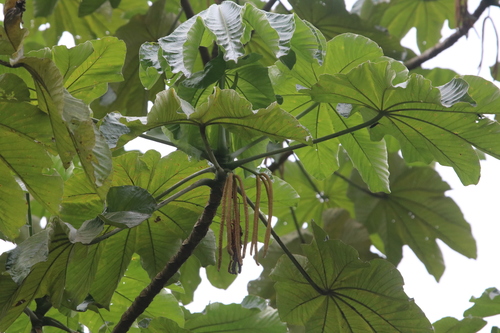
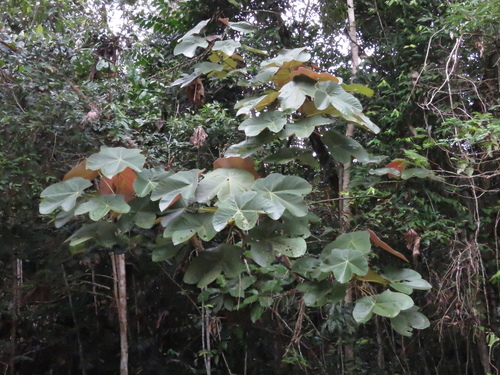
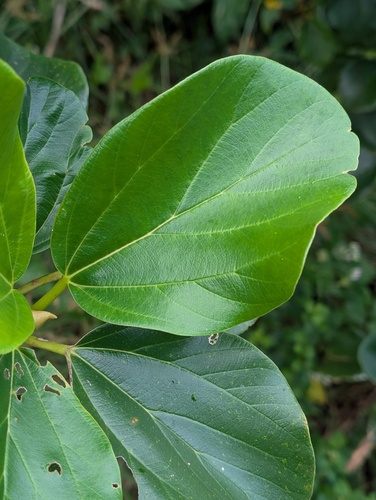
(c) Bart Wursten, some rights reserved (CC BY-NC), uploaded by Bart Wursten
iNaturalist· cc-by-nc
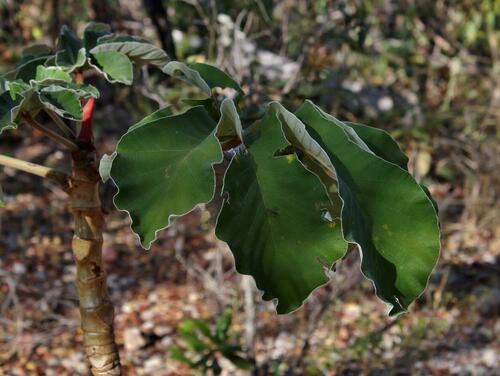
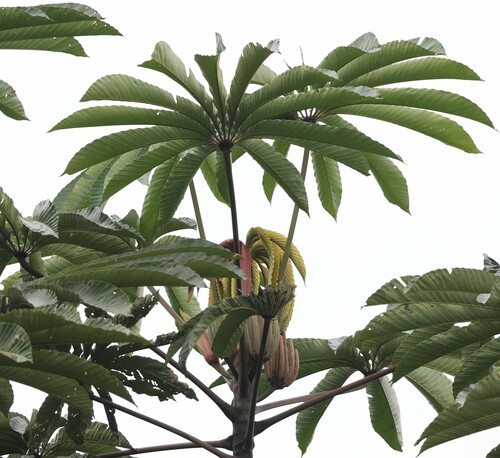
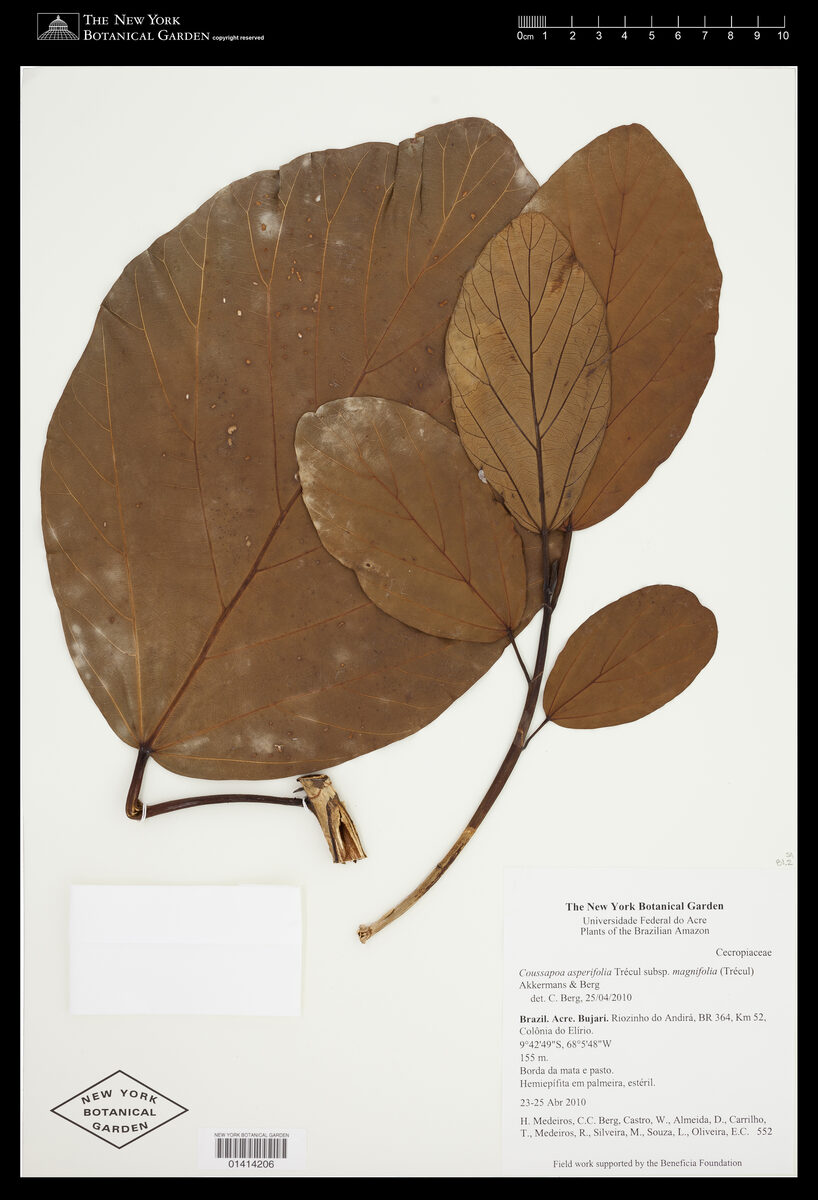
(c) Bart Wursten, some rights reserved (CC BY-NC)
Description
A herb. It is a robust plant with thick juicy stems. It grows 60 cm high. It grows from a creeping rhizome or underground stem. It does not have stinging hairs. The leaves are mostly broadly oval and 8.5 cm long by 7 cm wide. There are long spreading hairs on the veins under the leaves. There are teeth along the edge. The flowers are in half round clusters on long stalks in the axils of leaves. Male and female flowers are separate but usually on the same plant.
Edible Uses
The leaves are eaten as a vegetable.
Distribution
It is a tropical plant. It grows between 1,400-2,300 m above sea level.
Where It Grows
Africa, Cameroon, Central Africa, Congo, East Africa, Ethiopia, Kenya, Malawi, South Africa, Southern Africa, Sudan, Tanzania, Uganda, Zimbabwe,
Also Known As
Toopiteek
References (2)
- Marshall, F., Agriculture and Use of Wild and Weedy Greens by the Piik ap Oom Okiek of Kenya. Economic Botany, Vo. 55, No. 1, pp. 32-47
- Mutie, F. M., et al, 2023, Important Medicinal and Food Taxa (Orders and Families) in Kenya, Based on Three Quantitative Approaches. Plants 2023, 12, 1145