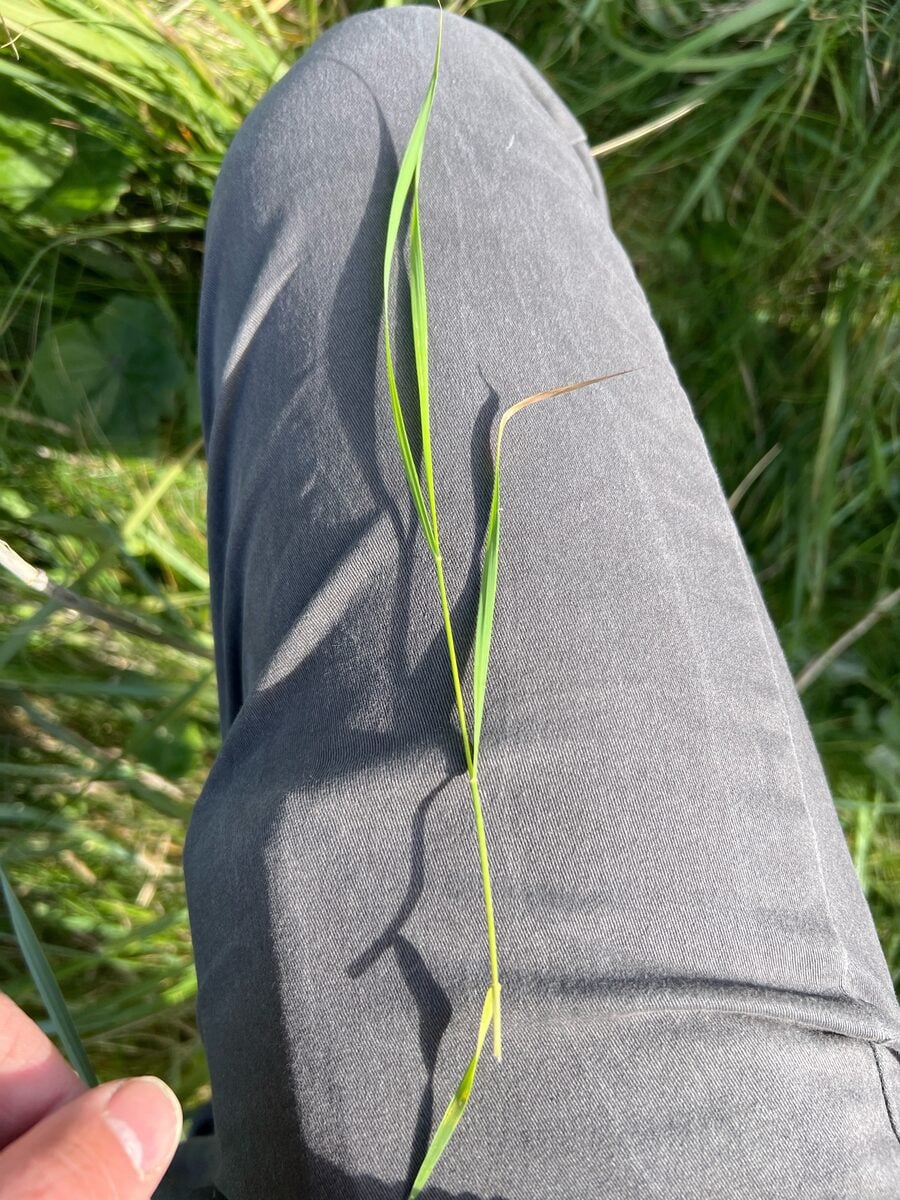
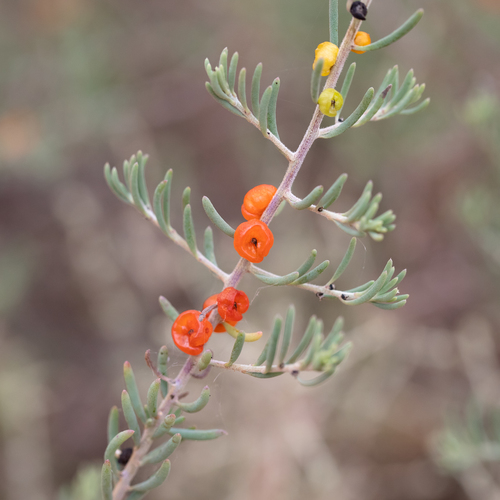
Chenopodium album subsp. iranicum
L., Aellen
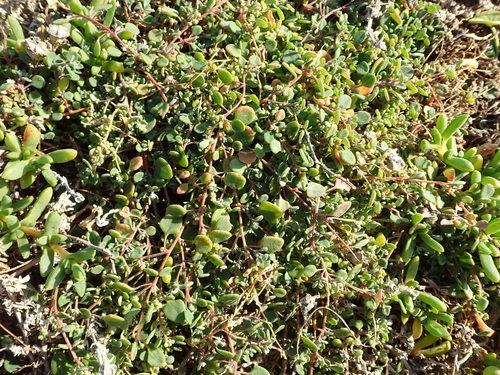
iNaturalist· cc-by
(c) Patrick Hacker, some rights reserved (CC BY), uploaded by Patrick Hacker
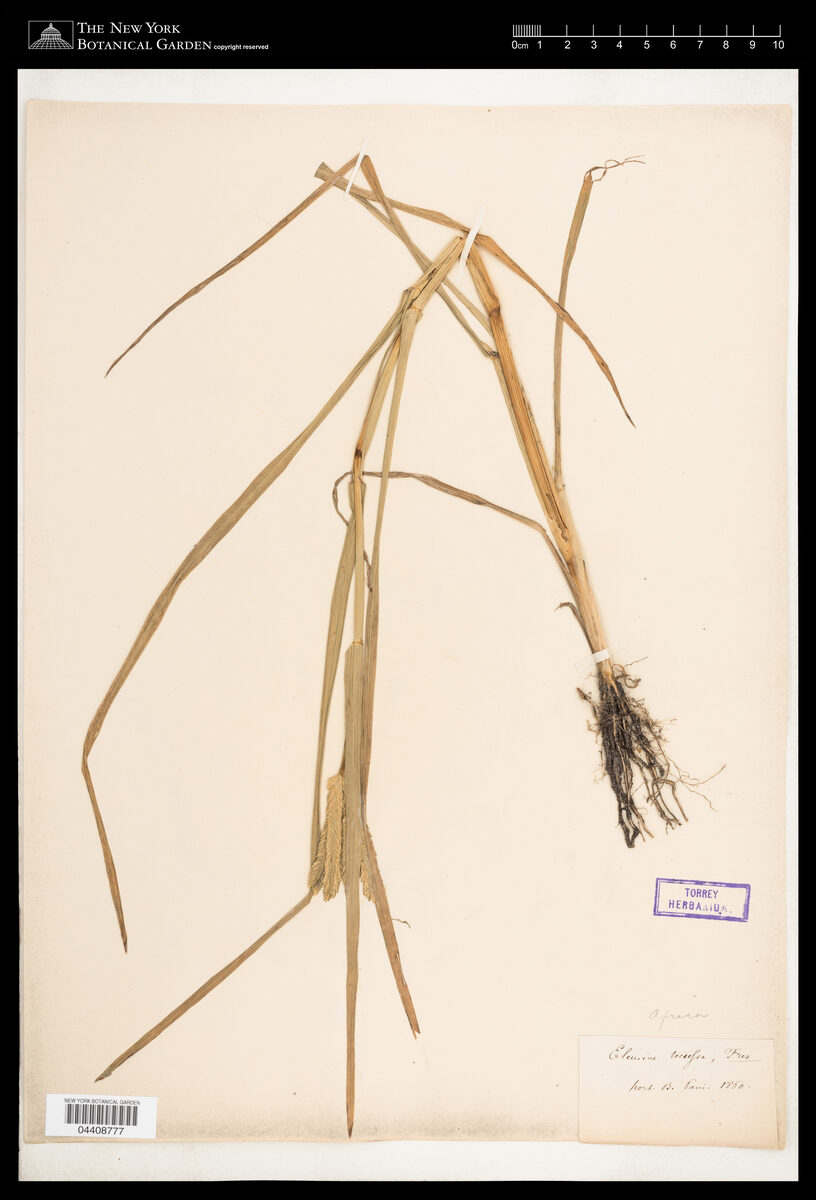
iNaturalist· cc0
no rights reserved, uploaded by Kristi Zoebelein
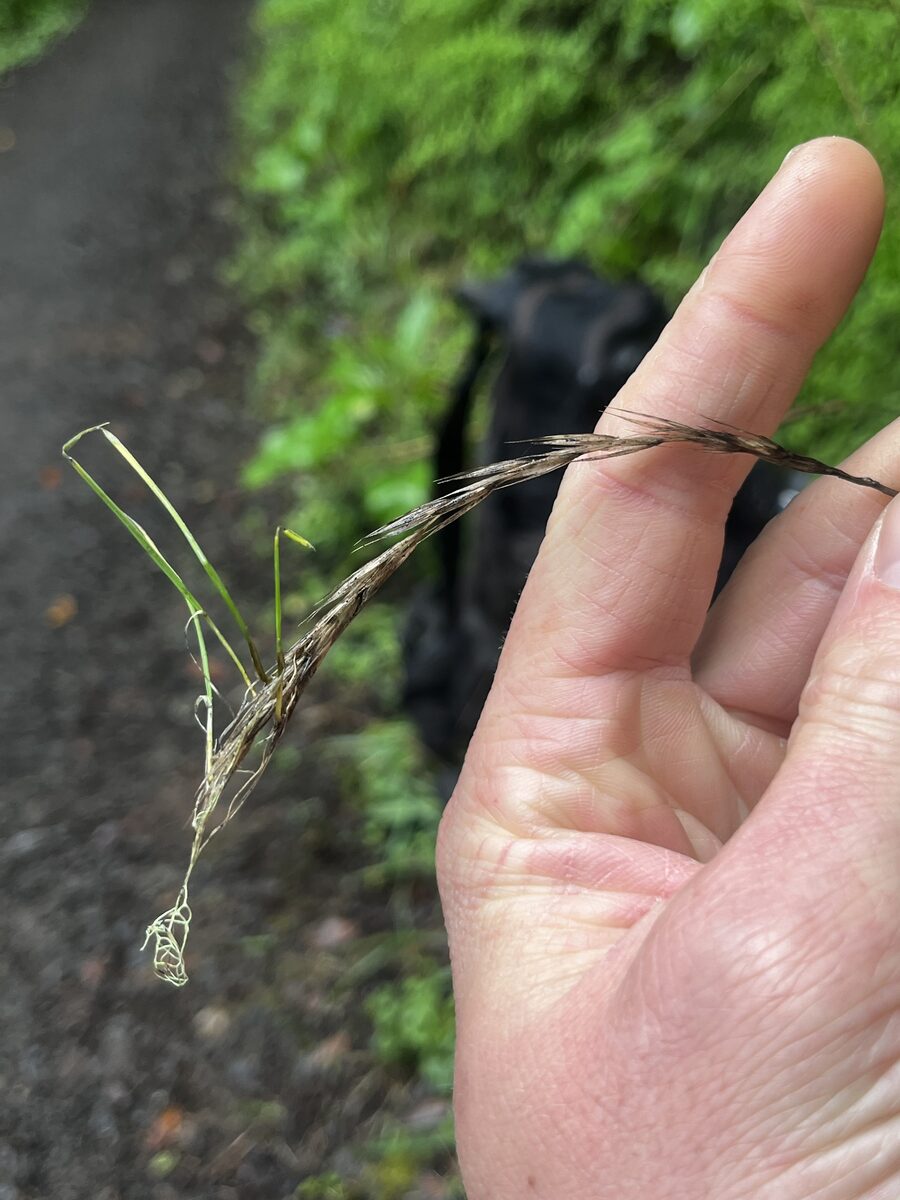
iNaturalist· cc-by-nc
(c) Ryan Sealy, some rights reserved (CC BY-NC), uploaded by Ryan Sealy
Summary
Source: WikipediaChenopodium album is a fast-growing annual plant in the flowering plant family Amaranthaceae. Though cultivated in some regions, the plant is elsewhere considered a weed. Common names include lamb's quarters, melde, goosefoot, wild spinach and fat-hen, though several are also applied to other species of the genus Chenopodium, for which reason it is often distinguished as white goosefoot.
Description
A herb.
This description is brief — help expand it
Edible Uses
The young shoots may be eaten raw or cooked. The leaves are preferably cooked. The flower buds and flowers can also be eaten cooked. Each plant produces tens of thousands of black seeds. Quinoa, a closely related species, is grown specifically for its seeds. The Zuni people cook the young plants' greens. Archaeologists analysing carbonized plant remains found in storage pits and ovens at Iron Age, Viking Age, and Roman sites in Europe have found its seeds mixed with conventional grains and even inside the stomachs of Danish bog bodies. In India, the plant is called bathua and is found abundantly in the winter season. The leaves and young shoots of this plant are used in dishes such as soups, curries, and paratha – stuffed breads, common in North India. The seeds or grains are used in phambra, gruel-type dishes in Himachal Pradesh, and in mildly alcoholic fermented beverages such as soora and ghanti. In Haryana state, the "bathue ka raita" i.e. the raita (yogurt accompaniment) made with bathua, is commonly eaten in winters. In Nepal, it is known as bethe or bethu. It is used to make a dish known as saag. The leaves are stir-fried with spices, chilli and diced garlic. A fermented dish known as masaura is also made by dipping the leaves in a lentil batter with spices and then drying them in sun for some days. The fermented masaura can be made into a curry and served with rice.
Distribution
It is a temperate plant.
Where It Grows
Europe, Iran, Middle East, Turkey, Türkiye,
Notes
Also put in the family Chenopodiaceae.
References (2)
- Ertug, F., 2000, An Ethnobotanical Study in Central Anatolia (Turkey). Economic Botany Vol. 54. No. 2. pp. 155-182
- Ertug, F, Yenen Bitkiler. Resimli Türkiye Florası -I- Flora of Turkey - Ethnobotany supplement