Calamus poilanei
Conrard
iNaturalist· cc-by-nc
(c) Simon Williams, some rights reserved (CC BY-NC), uploaded by Simon Williams
iNaturalist· cc-by-nc
(c) Simon Williams, some rights reserved (CC BY-NC), uploaded by Simon Williams
iNaturalist· cc-by-nc
(c) Simon Williams, some rights reserved (CC BY-NC), uploaded by Simon Williams
Summary
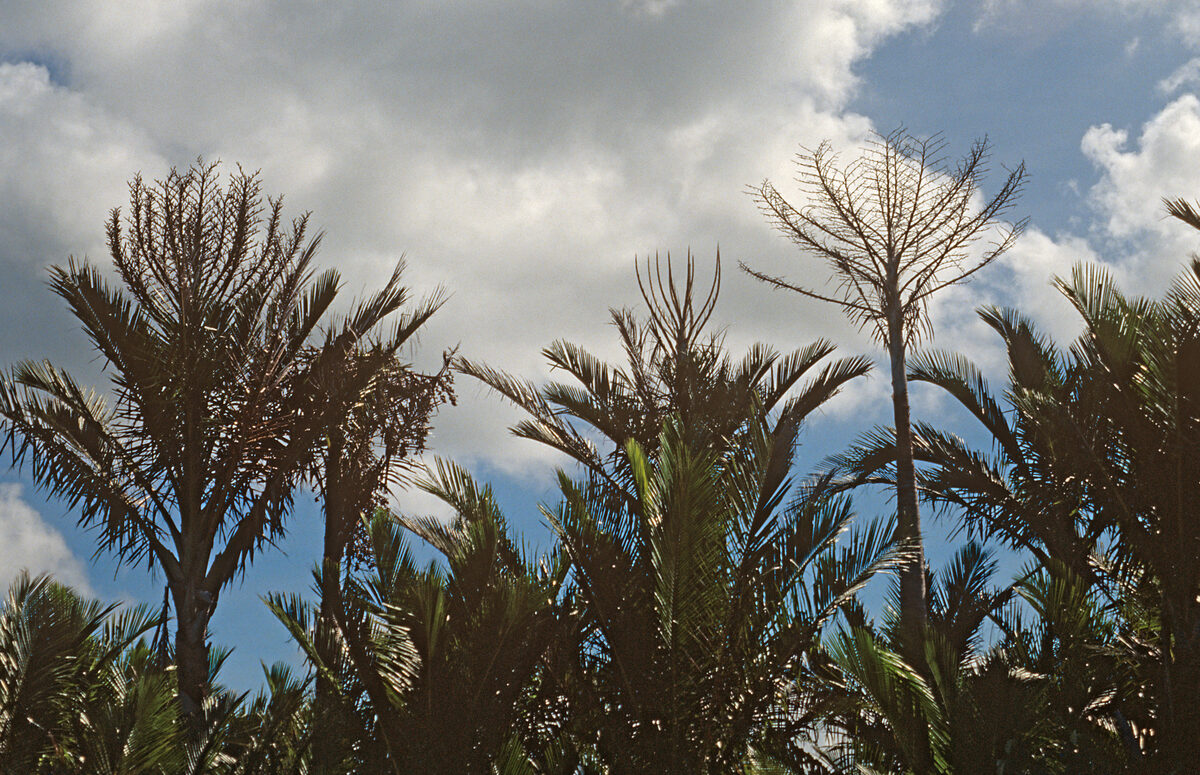
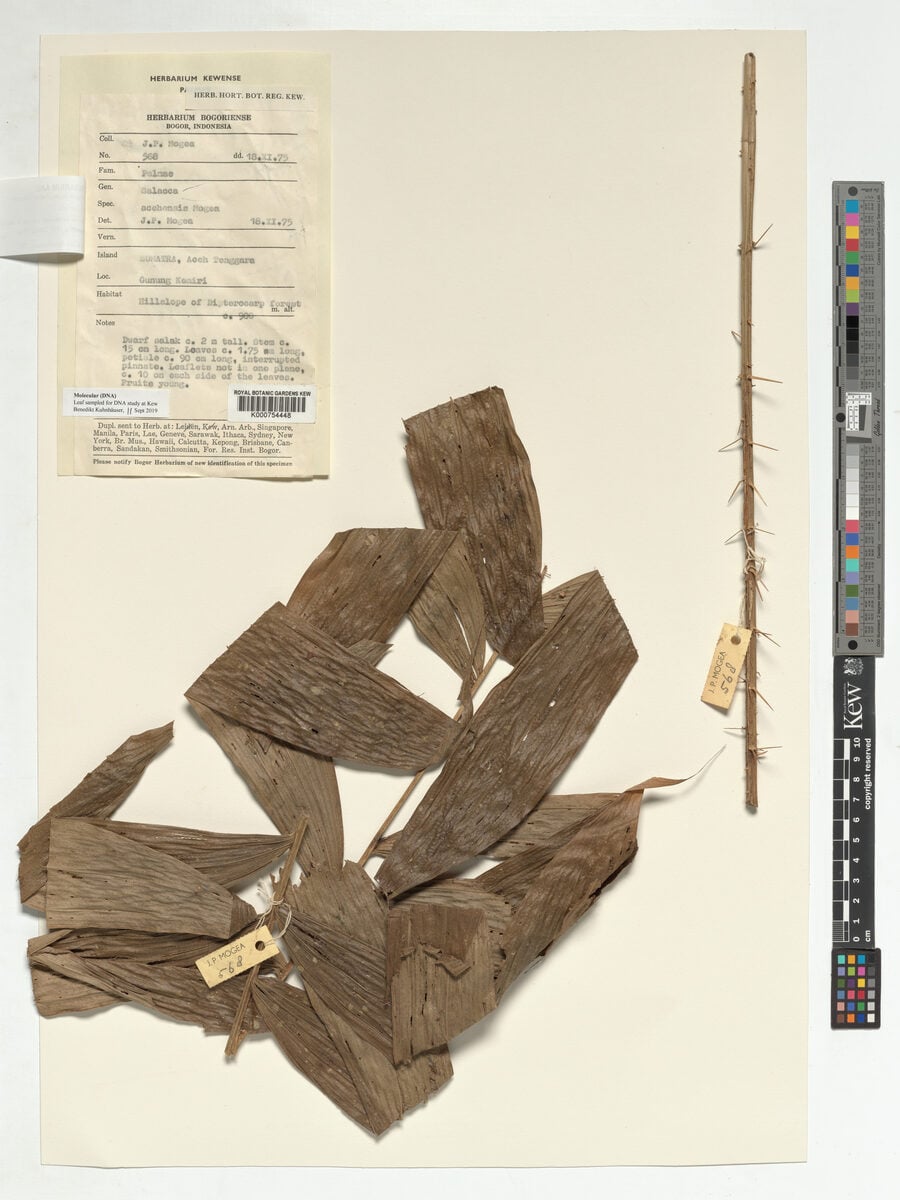
Source: WikipediaCalamus poilanei is an Asian species of tropical forest rattan liana in the family Arecaceae. Its native range is Thailand, Laos, central and southern Vietnam and no subspecies are listed. Its name in Vietnamese is (mây) song bột, wai nampung in Thailand and wai khom or wai thoon in Laos.
Description
A rattan palm native to tropical Asia, particularly important in Laos, growing in evergreen forests of Indochina between 300-1,300 m altitude.
This description is brief — help expand it
Edible Uses
The shoots are eaten as a vegetable.
Distribution
It is a tropical plant. In Indochina it grows in evergreen forest between 300-1,300 m altitude.
Where It Grows
Asia, Indochina, Laos, SE Asia, Thailand, Vietnam,
Other Information
It is an important rattan on Laos.
Notes
There are 375-400 Calamus species. There are 175 species in tropical Asia.
Also Known As
Blong thoon, Gaparl, Song bot, Wai kruh, Wai thoon
References (3)
- Dransfield, J., et al, 2004, A preliminary checklist to Thai Palms. Thai For. Bull. (Bot.) 32:32-72
- Evans, T. D., et al, 2002, A Synopsis of the Rattans (Arecaceae: Calamoideae) of Laos and Neighbouring Parts of Indochina. Kew Bulletin, Vol. 57, No. 1 (2002), pp. 1-84
- Sang, D. T., & Mizoue, K. O. N., 2012, Use of Edible Forest Plants among Indigenous Ethnic Minorities in Cat Tien Biosphere Reserve, Vietnam. Asian Journal of Biodiversity Vol. 3 (1), p 23-49