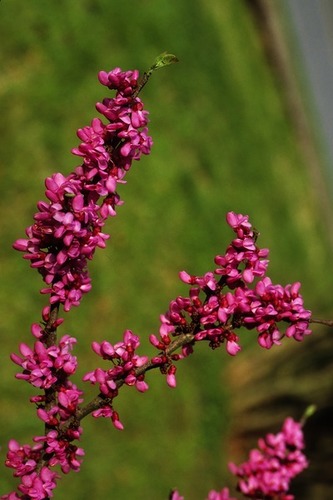
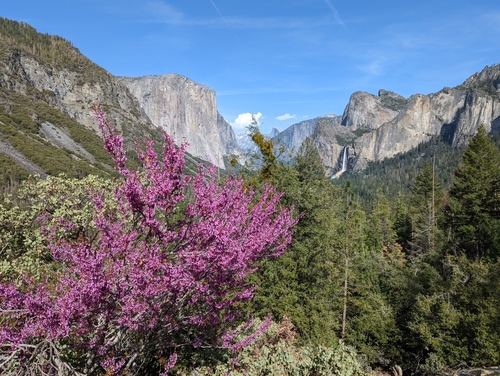
Leucaena collinsii
Britton & Rose
Chalip, Chijlip, Guaje, Guash, Guaxin
iNaturalist· cc-by
(c) Alexis López Hernández, some rights reserved (CC BY), uploaded by Alexis López Hernández
iNaturalist· cc-by
(c) Neptalí Ramírez Marcial, some rights reserved (CC BY)
iNaturalist· cc-by
(c) Neptalí Ramírez Marcial, some rights reserved (CC BY)
Description
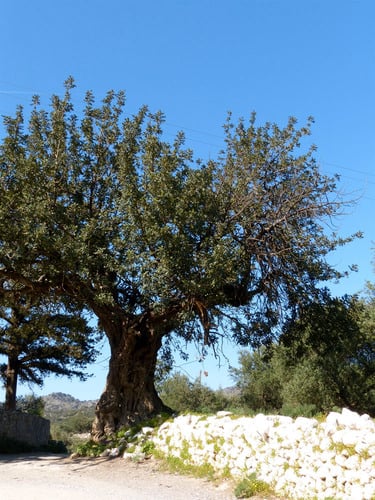
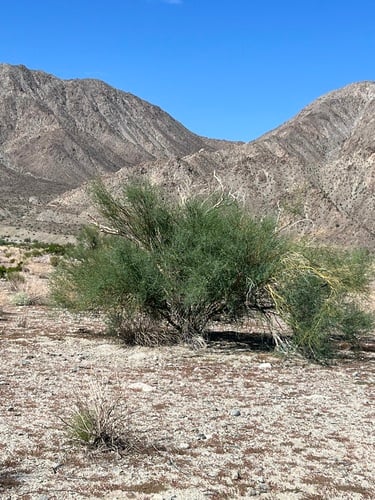
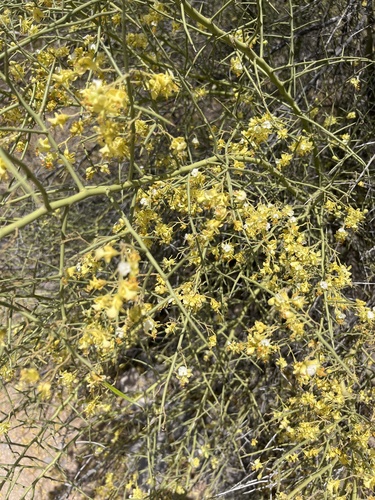
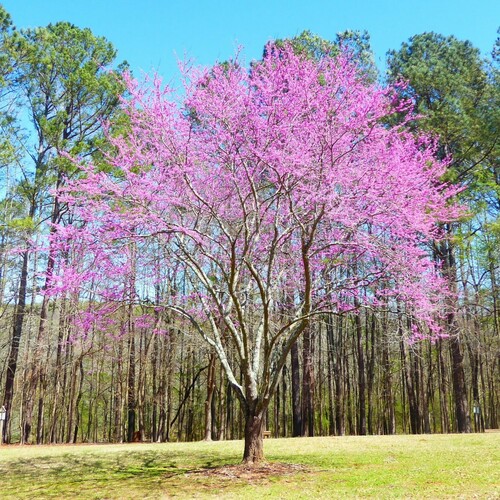
A deciduous tree. The crown is wide and open. It grows 10-15 m tall. The trunk can be 20-40 cm across. The fruit are pods 11-18 cm long and 1-2 cm wide. There are 9-20 seeds.
Edible Uses
Leucaena species are grown for their variety of uses, including as green manure, a charcoal source, livestock fodder, and for soil conservation. The seeds (jumbie beans) can be used as beads. Leucaena planted for firewood on an area of 120 km2 (46 sq mi) will yield an energy equivalent of 1 million barrels of oil per year. Anthelmintic medicines are made from extracts of Leucaena seeds in Sumatra, Indonesia. Some species (namely Leucaena leucocephala) have edible fruits (as unripe) and seeds. The seeds of Leucaena esculenta (in Mexico called guaje or huaje) are eaten with salt in Mexico. In other species high levels of mimosine may lead to hair loss and infertility in non-ruminants.
Traditional Uses
The seeds are eaten raw or cooked. The young green seeds are roasted, dried or put into soups and stews. They have a garlic like flavour. Young pods, leaves and flowers are eaten as potherbs.
Distribution
It is a tropical plant. It grows in seasonally dry deciduous forests. It grows between 100-900 m above sea level. It is best in areas with a day temperature between 22-30°C. It is best in areas with a rainfall between 900-2,500 m per year. It needs well-drained soils and a sunny position. Once established plants can tolerate drought.
Where It Grows
Central America, Guatemala, Mexico, North America, USA,
Cultivation
Plants can be grown from seeds. Seeds often have a hard seed coat. They can be put in warm water and then soaked for 12-24 hours.
Propagation
Seed - it has a hard seedcoat and may benefit from scarification before sowing in order to speed up germination. This can usually be done by pouring a small amount of nearly boiling water on the seeds (being careful not to cook them!) and then soaking them for 12 - 24 hours in warm water. By this time they should have imbibed moisture and swollen - if they have not, then carefully make a nick in the seedcoat (being careful not to damage the embryo) and soak for a further 12 hours before sowing. The seed retains its viability for a long period if stored under conditions of less than 10 % moisture content at less than 4°c in hermetically sealed containers.
Other Uses
This species is one of the most psyllid resistant leucaena species and it has been used in breeding programmes to improve the resistance of other species. A gum exudes from the trunk. It has similar properties to gum arabic (obtained from Acacia spp., especially Acacia senegal). This species is noted for its superior wood quality compared to most other members of the genus. It is of a high density, with a high proportion of heartwood from an early age and is very durable. It is highly valued, especially by local farmers, for house construction and for use as poles and fence posts. The subspecies zacapana is even denser that the species type, and is extremely valued for its dense wood with abundant heartwood. The wood is prized as a fuel. The lopped leaves and twigs are applied as green manure. Trees, especially of ssp. Collinsii, are planted at field boundaries and around houses as a living fence.
Other Information
The pods are sold in local markets.
Notes
Also as Mimosaceae.
References (5)
- Fern, K., 2012, Tropical Species Database http://theferns.info/tropical/
- ILDIS Legumes of the World http:www:ildis.org/Legume/Web
- Mapes, C. & Basurto, F., 2016, Biodiversity and Edible Plants of Mexico. Chapter 5 in R. Lira, et al. (eds.), Ethnobotany of Mexico, Ethnobiology, Springer. p 94
- Segura, S., et al, 2018, The edible fruit species in Mexico. Genet Resour Crop Evol (2018) 65:1767–1793
- www.worldagroforestrycentre.org/treedb/