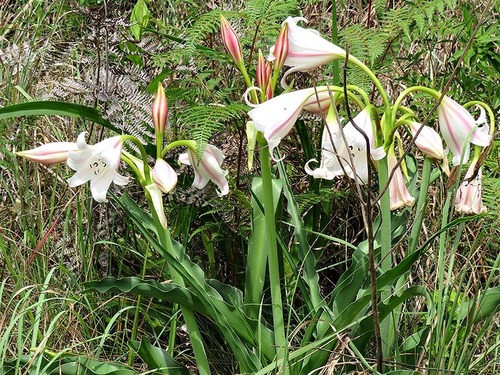
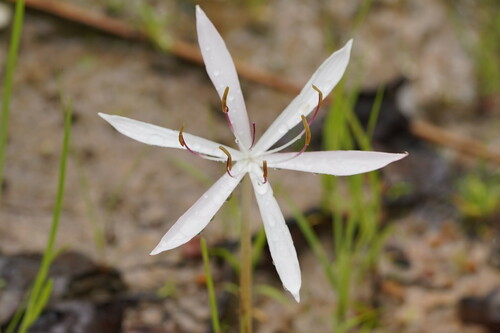
Zephyranthes lindleyana
Herb.
Rain lily, Puerto Pink
iNaturalist· cc-by-sa
(c) Juan Cruzado Cortés, some rights reserved (CC BY-SA), uploaded by Juan Cruzado Cortés
iNaturalist· cc-by-nc
(c) Carlos G Velazco-Macias, some rights reserved (CC BY-NC)
iNaturalist· cc-by-nc
(c) Carlos G Velazco-Macias, some rights reserved (CC BY-NC)
Description
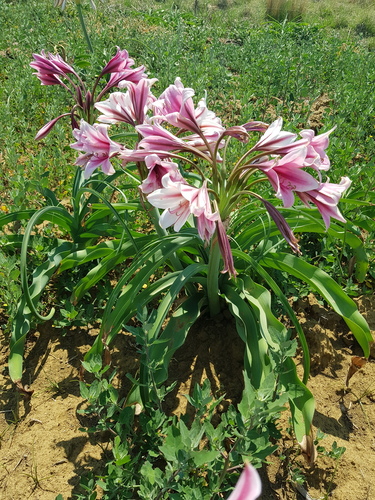
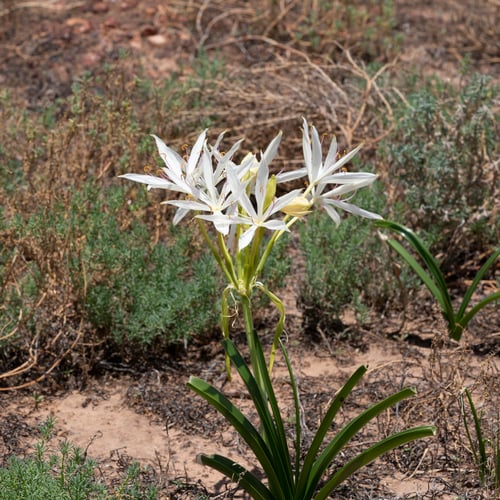
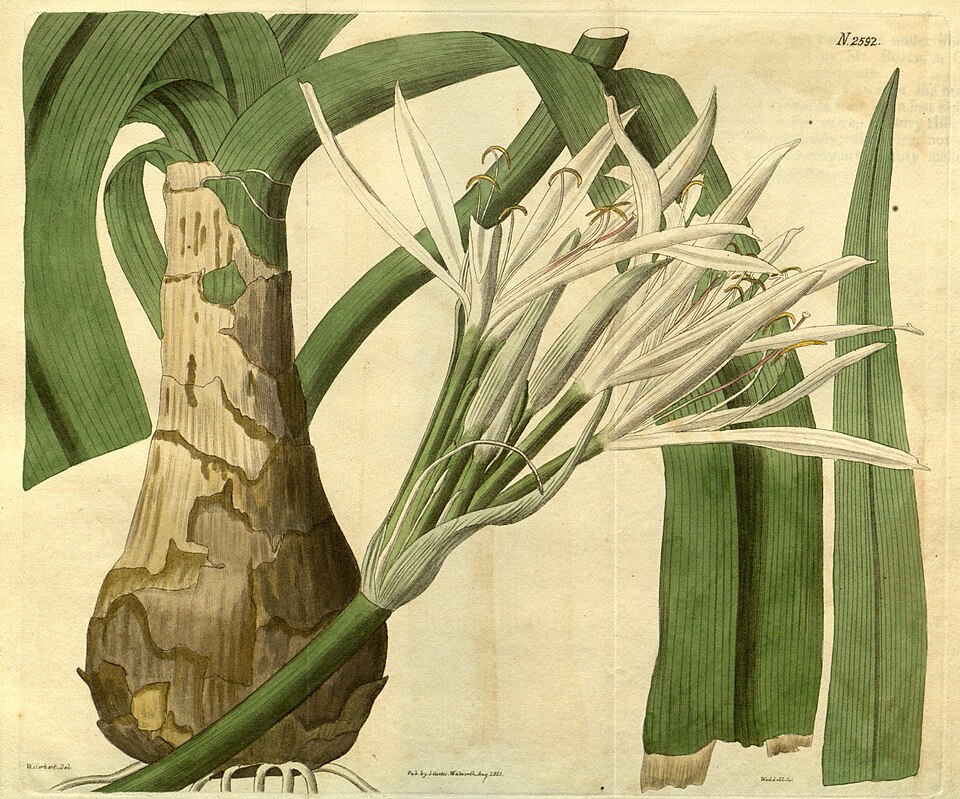
A bulb plant. The bulb is 1.1-2.5 cm across. The leaves are narrow and 50 cm long. It has a single reddish coloured flower.
This description is brief — help expand it
Medicinal Uses
Parts of Zephyranthes, such as bulbs and leaves, are used in traditional medicine. In Peru, Z. andina (syn. Z. parvula) was used for tumors. In China, Z. rosea was used for breast cancer and in Africa the leaves of Z. candida were used for diabetes mellitus. It was used for simple problems from head ache, cough, cold, and boils to very complicated diseases such as breast cancer, tuberculosis, rheumatism, tumors.
Known Hazards
Many parts of the plant including the leaves and bulbs are considered to be toxic. The genus has been evaluated for possible medicinal properties, and the biochemically toxic compounds are classed as alkaloids.
Distribution
It is a subtropical plant. It grows in the desert.
Where It Grows
Belize, Costa Rica, Honduras, Mexico, Nicaragua,
Notes
It was used for some purpose by Maya. Also put in the family Liliaceae.
Synonyms
References (1)
- http://research.famsi.org/botanyworking_plant_list.php