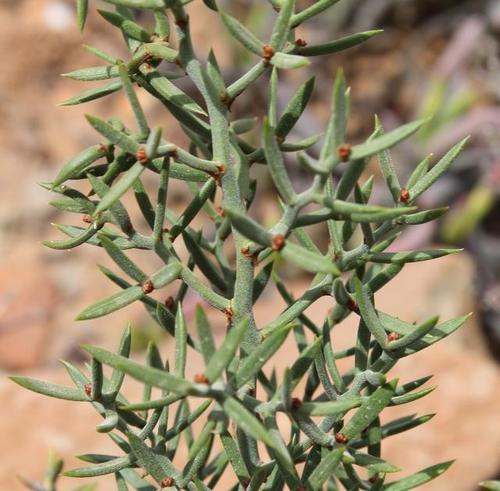
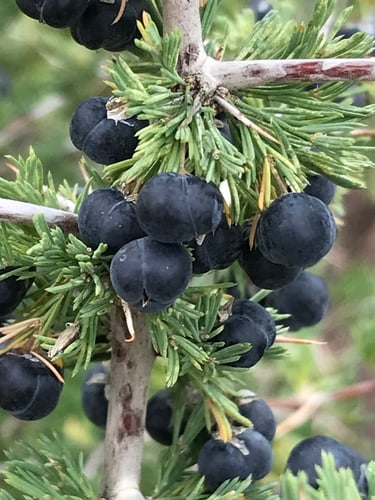
Yucca gigantea
Lem.
Guatemala yucca, Spineless yucca
iNaturalist· cc-by-sa
(c) Juan Cruzado Cortés, some rights reserved (CC BY-SA), uploaded by Juan Cruzado Cortés
iNaturalist· cc-by
(c) Tyler Bishop, some rights reserved (CC BY), uploaded by Tyler Bishop
iNaturalist· cc-by-nc
(c) jrebman, some rights reserved (CC BY-NC), uploaded by jrebman
Summary
Source: WikipediaYucca gigantea (syn. Yucca elephantipes) is a species of flowering plant in the asparagus family, native to Mexico and Central America. Growing up to 8–12 m (26–39 ft) in height, it is an evergreen shrub which is widely cultivated as an ornamental garden or house plant, often referred to simply as yucca cane. The edible flower is the national flower of El Salvador locally called izote, and it is used extensively in Salvadoran cuisine.
Description
A tree like plant. It grows 3-10 m tall. The leaves are simple and in rings at the top of the plant. They are 30-100 cm long by 5-7 cm wide. There are spines towards the top of the plant. The flowers are in a panicle that can point upwards or hang down. The flowers are cream. The fruit are capsules 7-8 cm long by 4-5 cm wide. There are several seeds in a white pulp.
Edible Uses
The flower buds are eaten in soups and make a palatable vegetable with a slightly bitter but agreeable flavour. They are commonly dipped in egg and fried, mixed into meat stews, or eaten raw alongside other salad vegetables. The flowers are rich in vitamin C. The tender leaf bases can also be eaten.
Traditional Uses
The flowers are boiled or fried and eaten.
This uses section is brief — help expand it
Medicinal Uses
The flowers are a source of vitamin C.
Distribution
It is a tropical plant. It grows from sea level to 1,000 m altitude in Central America.
Where It Grows
Belize, Central America, Colombia, Costa Rica, Ecuador, El Salvador, Guatemala, Mexico, Nicaragua, North America, Panama, South America, St Lucia, West Indies,
Cultivation
It grows best in areas where annual daytime temperatures are within the range 18 - 32°c, but can tolerate 6 - 38°c. It prefers a mean annual rainfall in the range 1,000 - 1,600mm, but tolerates 700 - 4,000mm. Requires a sunny position that is sheltered from cold, drying winds. Prefers a well-drained, rich, loamy soil, but is tolerant of poor sandy soils. Prefers a pH in the range 5 - 6, tolerating 4.5 - 7.3. The plant can be harvested for its flower buds 2 - 3 years after planting out cuttings. Members of this genus seem to be immune to the predations of rabbits. The flowers of most members of this genus can only be pollinated by a certain species of moth. This moth does not live outside of the plants native range and, if fruit and seed is required, hand pollination is necessary. This can be quite easily and successfully done using something like a small paint brush. The flowers open at night and are powerfully fragrant at this time.
Propagation
Pre-soak seed for 24 hours in warm water before sowing in containers in a lightly shaded position. Seed typically germinates within 1–12 months at 20°C. Prick seedlings into individual pots when large enough and grow on until ready to plant out. For root cuttings, lift the plant and remove small buds from the base of the stem and rhizomes, dip in dry wood ash to stop bleeding, and pot in sandy soil until established.
Other Uses
The tree is ornamental and is commonly planted around houses, particularly as a tall hedge. In some regions it is used to stabilise steep roadside banks and to terrace coffee plantations. Leaf fibre is used to make twine, cloth and baskets. Young plants are occasionally grown as houseplants, though the species does best in a hot, semi-arid climate and is prone to root rot if overwatered.
Notes
Also put in the family Agavaceae.
Synonyms
Also Known As
Akgalukut, Cardum, Chochas, Coyol, Espadillo, Flor de izote, Itabo, Izote
References (7)
- Chizmar Fernandez, C., et al, 2009, Plantas comestibles de Centroamerica. Instituto de Biodiversidad, Costa Rica. p 20 (As Yucca guatemalensis)
- Grandtner, M. M., 2008, World Dictionary of Trees. Wood and Forest Science Department. Laval University, Quebec, Qc Canada. (Internet database http://www.wdt.qc.ca) (As Yucca guatemalensis)
- Kermath, B. M., et al, 2014, Food Plants in the Americas: A survey of the domesticated, cultivated and wild plants used for Human food in North, Central and South America and the Caribbean. On line draft. p 934 (As Yucca guatemalensis)
- Pascual-Mendoza, S. et al, 2021, Traditional knowledge of edible plants in an indigenous community in the Sierra Norte of Oaxaca, Mexico. Plant Biosystems - An International Journal Dealing with all Aspects of Plant Biology
- Piedra-Malagón, E. M. et al, 2022, Edible native plants of the Gulf of Mexico Province. Biodiversity Data Journal 10: e80565 p 13
Show all 7 references Hide references
- Segura, S. et al, 2018, The edible fruit species in Mexico. Genet Resour Crop Evol (2018) 65:1767–1793 (As Yucca guatemalensis)
- World Checklist of Useful Plant Species 2020. Royal Botanic Gardens, Kew