Brassica ruvo
L.H. Bailey
Broccoli raab, Italian turnip broccoli, Rapini, Ruvo kale
iNaturalist· cc-by-sa
(c) Roberto sernicola, some rights reserved (CC BY-SA)
iNaturalist· pd
Victor M. Vicente Selvas, no known copyright restrictions (public domain)
wikimedia· cc-by-sa
Wikimedia Commons - Rasbak
Description
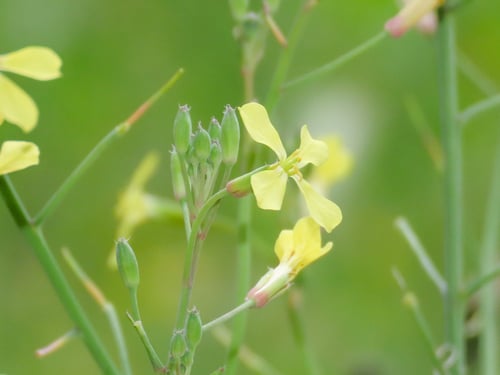
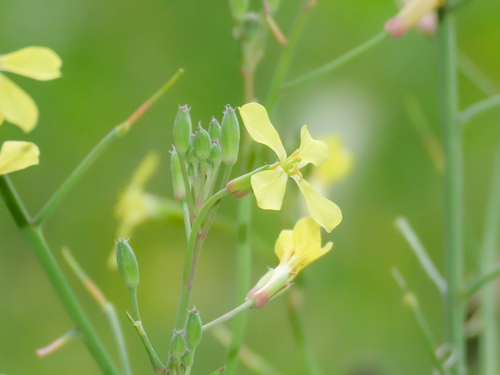
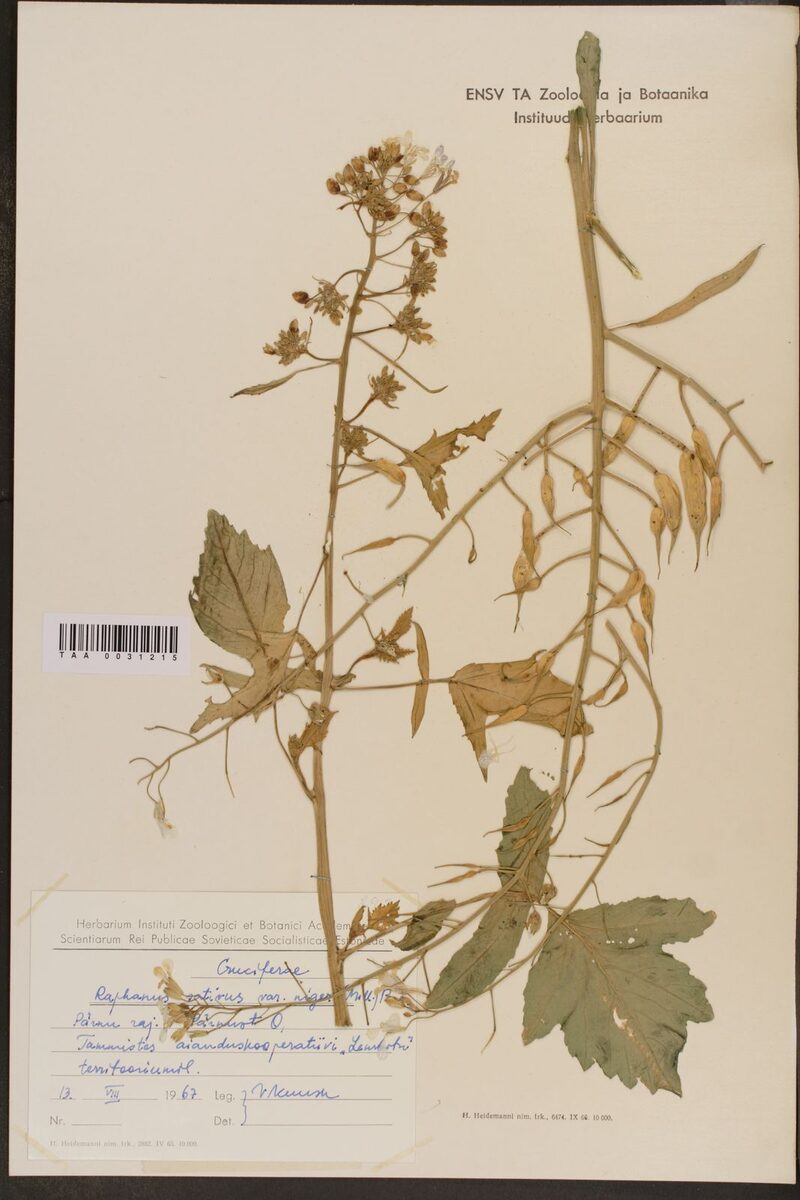
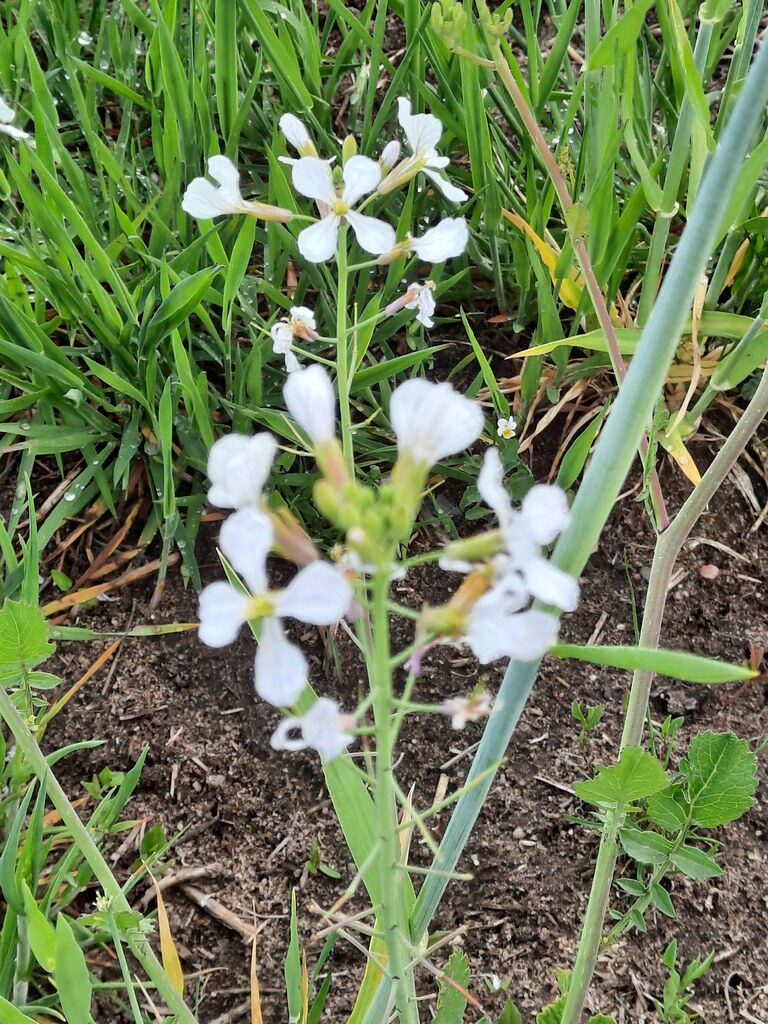
A cabbage family herb. It can grow for one or two years. It has a tap-root. The leaves are dark green and have deep lobes.
This description is brief — help expand it
Edible Uses
The flavor of rapini has been described as nutty, bitter, and pungent, as well as almond-flavored. Rapini needs little more than a trim at the base. The entire stalk is edible when young, but the base becomes more fibrous as the season advances. Rapini is widely used in the cuisine of Rome as well as Southern Italy, particularly in the regions of Sicily, Calabria, Campania, Apulia, In Apulia, their names are either cime di rapa or broccoletti; in Naples, the green's name is friarielli. In Campania, it is closely associated with braciole and sausages, such that food writer Arthur Schwartz reports, "it is almost unthinkable to eat [those meats] without a side of [rapini]." In Portuguese cuisine, grelos de nabo are similar in taste and texture to broccoli rabe. Rapini is also popular in the Galicia region of northwestern Spain; a rapini festival (Feira do grelo) is held in the Galician town of As Pontes every February. Rapini may be sautéed or braised with olive oil and garlic, and sometimes chili pepper and anchovy. It may be used as an ingredient in soup, served with orecchiette, other pasta, or pan-fried sausage. Rapini is sometimes (but not always) blanched before being cooked further. In the United States, rapini is popular in Italian American cuisine; the D'Arrigo Brothers popularized the ingredient in the United States and gave it the name broccoli rabe. Broccoli rabe is a component of some hoagies and submarine sandwiches; in Philadelphia, a popular sandwich is Italian-style roast pork with locally made sharp provolone cheese, broccoli rabe, and peppers. Rapini can also be a component of pasta dishes, especially when accompanied by Italian sausage.
Traditional Uses
The leaves are used as a potherb.
This uses section is brief — help expand it
Distribution
It is a temperate plant.
Where It Grows
Europe, Italy, Mediterranean, North America, USA,
Notes
There are about 30 Brassica species and many cultivated varieties.
Synonyms
References (6)
- Bircher, A. G. & Bircher, W. H., 2000, Encyclopedia of Fruit Trees and Edible Flowering Plants in Egypt and the Subtropics. AUC Press. p 64
- Gentes Herb. 4:329, t. 203, 207-210. 1940
- Schneider, E., 2001, Vegetables from Amaranth to Zucchini: The essential reference. HarperCollins. p 119
- Small, E., 2009, Top 100 Food Plants. The world's most important culinary crops. NRC Research Press. p 140
- USDA, ARS, National Genetic Resources Program. Germplasm Resources Information Network - (GRIN). [Online Database] National Germplasm Resources Laboratory, Beltsville, Maryland. Available: www.ars-grin.gov/cgi-bin/npgs/html/econ.pl (10 April 2000)
Show all 6 references Hide references
- Wiersema, J. H. & Leon, B., 2013, World Economic Plants. A Standard Reference CRC Press. 2nd Ed. p 117