Inga venusta
Standley
Graceful inga, Charming inga
iNaturalist· cc-by
(c) Eduardo Chacón Madrigal, some rights reserved (CC BY), uploaded by Eduardo Chacón Madrigal
wikimedia· cc-by
Wikimedia Commons - Eduardo Chacón-Madrigal
Description
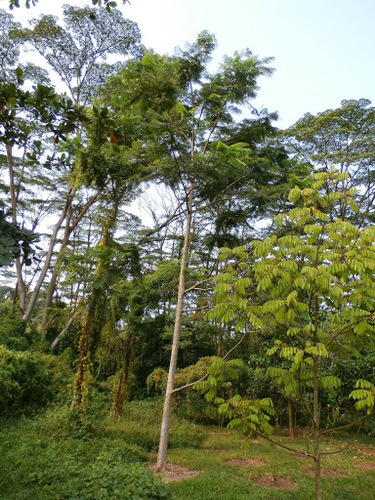
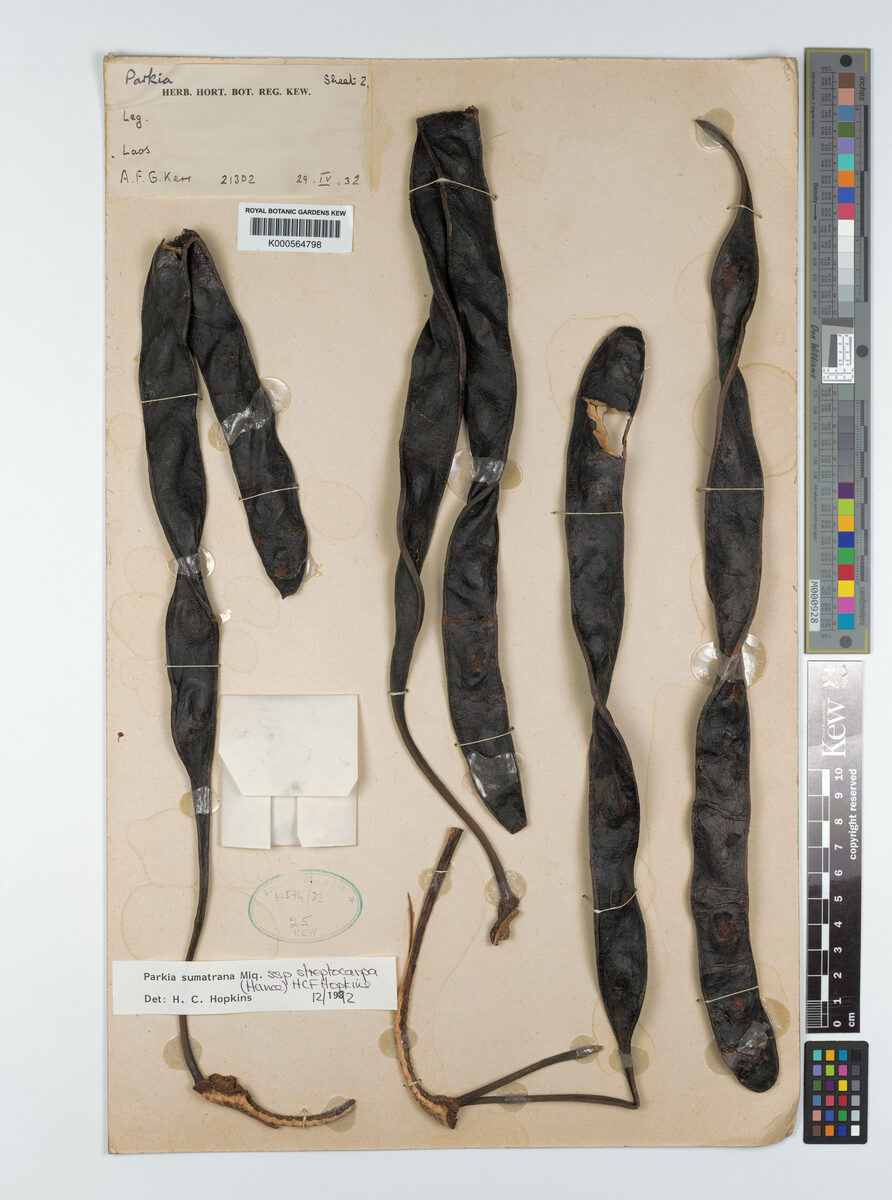
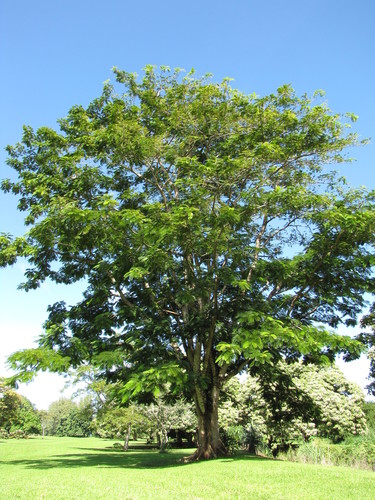
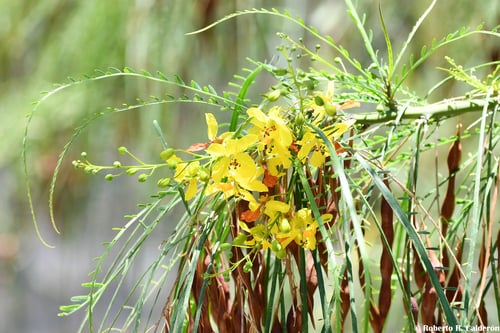
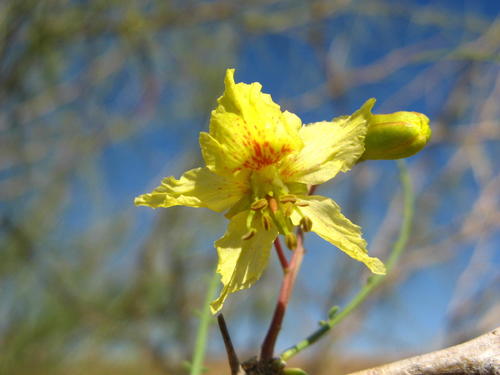
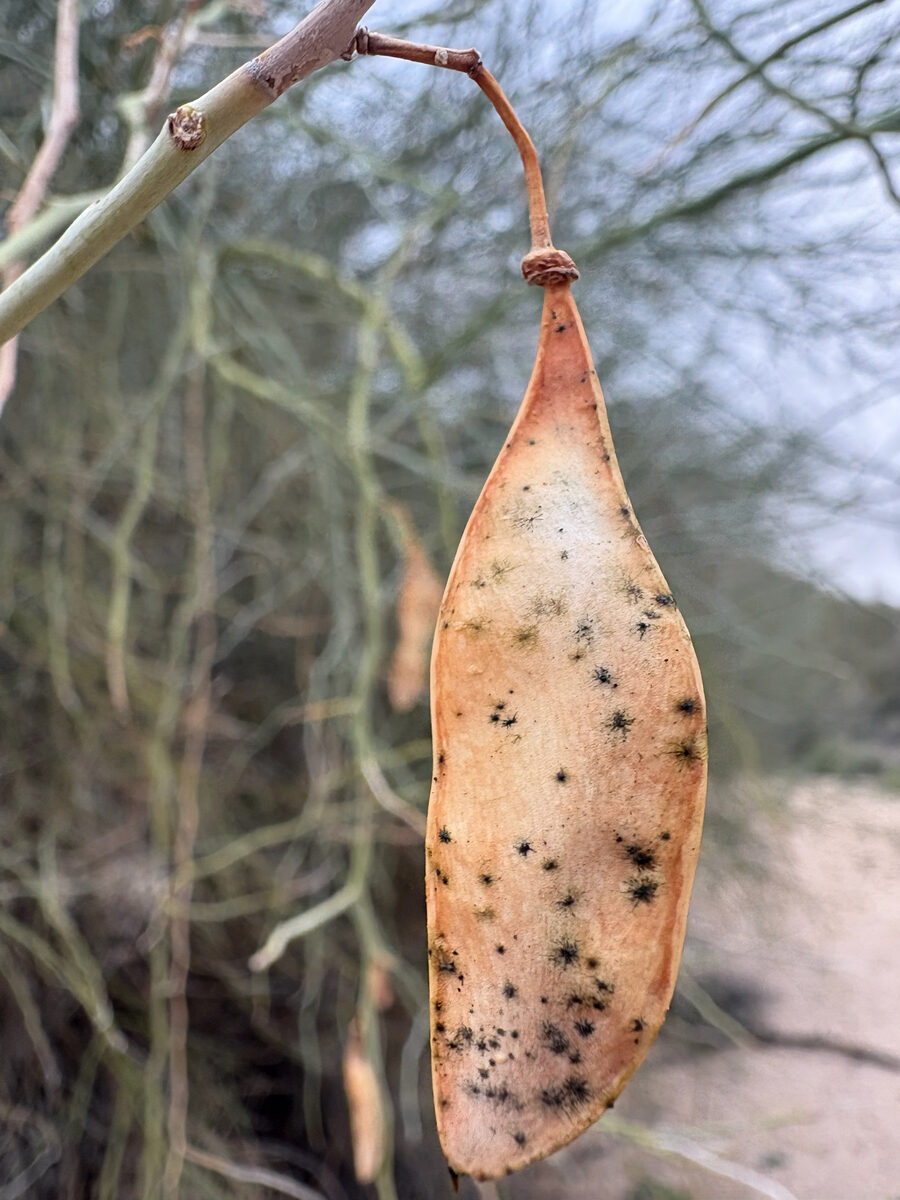
A tree. It grows 10-20 m tall. The trunk is 10-40 cm across. Branching is low down. The leaves have leaflets in 3 pairs. The leaflet stalks have wings. There are soft red hairs on the twigs. The fruit are seed pods 26-35 cm long.
Edible Uses
Fruit - raw. The white pulp surrounding the seeds has a sweet flavour. The yellowish to black seedpods are 26 - 35cm long.
Traditional Uses
The white pulp round the seeds is eaten raw.
This uses section is brief — help expand it
Known Hazards
Seeds readily germinate from fresh seed, requiring moisture and shade for germination in 1-2 weeks.
Distribution
It is a tropical plant. It grows in lowland mountain regions and in the wet lowlands.
Where It Grows
Amazon, Brazil, Central America, Colombia, Costa Rica, Ecuador, Guianas, Nicaragua, Panama, Peru, South America, Suriname,
Cultivation
Plants grow easily from fresh seeds. Seeds germinate in 1-2 weeks given moisture and shade.
Other Uses
The wood of Inga species is generally attractive, but it has a coarse texture, is susceptible to attack by dry-wood termites and is not durable in the soil. The wood is used for fuel.
Notes
Also as Mimosaceae.
Synonyms
Also Known As
Aague, Aawe, Cotopacay, Kumpari, Piguian, Wikatawe, Yakum sampi
References (8)
- Condit, R., et al, 2011, Trees of Panama and Costa Rica. Princeton Field Guides. p 206
- Grandtner, M. M., 2008, World Dictionary of Trees. Wood and Forest Science Department. Laval University, Quebec, Qc Canada. (Internet database http://www.wdt.qc.ca)
- Grandtner, M. M. & Chevrette, J., 2013, Dictionary of Trees, Volume 2: South America: Nomenclature, Taxonomy and Ecology. Academic Press p 327
- ILDIS Legumes of the World http:www;ildis.org/Legume/Web
- Kew Plants of the World On line
Show all 8 references Hide references
- Lopez-Diago, D. & Garcia, N., 2021, Wild edible fruits of Colombia. Biota ColomBiana 22 (2) p 39
- Roa, J. A. G. & Boada, D. S. G., 2018, Fundación para el Fortalecimiento de la Fruticultura y Plantas Alimenticias no Convencionales en Colombia.
- Torre, de la, L., et al, 2008, Enciclopedia de las Plantas Útiles del Ecuador. Herbario QCA. Pontificia Universidad Católica del Ecuador. p 348