Quercus castaneifolia
C. A. Mey.
Chestnut-leaved oak
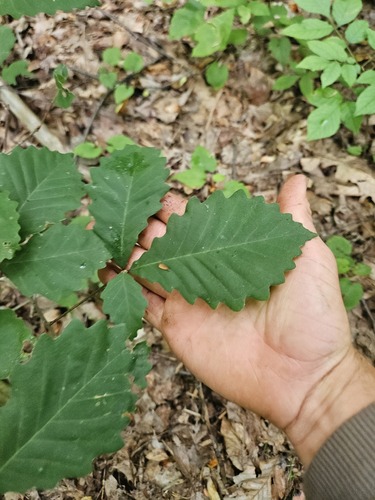
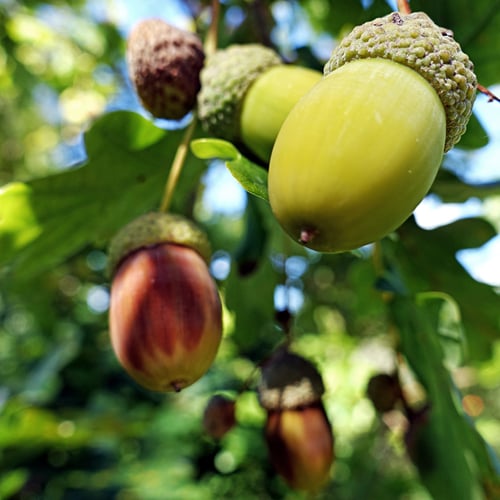
iNaturalist· cc-by-nc
(c) Aleksandr_Levon, some rights reserved (CC BY-NC), uploaded by Aleksandr_Levon
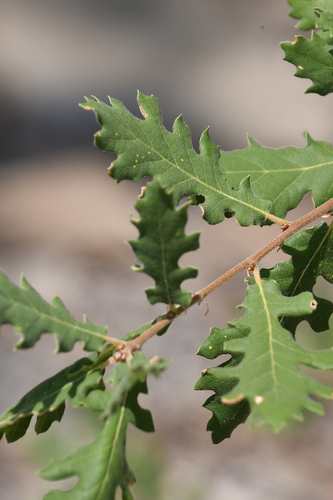
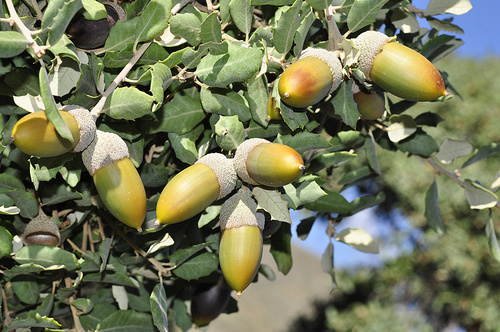
iNaturalist· cc-by-nc
(c) Qush, some rights reserved (CC BY-NC), uploaded by Qush
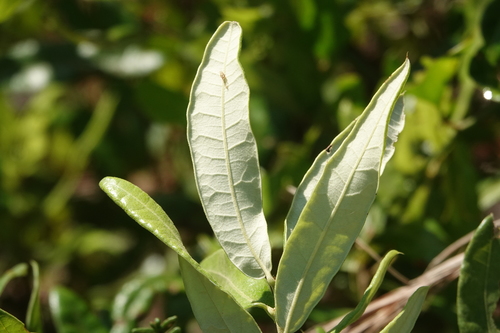
iNaturalist· cc-by-nc
(c) jimclark, some rights reserved (CC BY-NC), uploaded by jimclark
Summary
Source: WikipediaQuercus castaneifolia, the chestnut-leaved oak, is a species of oak in the turkey oak section Quercus sect. Cerris. It is native to the Caucasus and Alborz mountains of Iran, and resembles the closely related Turkey Oak in appearance.
Description
A tree. It grows 35 m tall. It loses its leaves during the year. The trunk can be 2.5 m across.
This description is brief — help expand it
Edible Uses
The acorns/nuts are eaten only as a famine food and are not popular.
Distribution
It is a temperate plant. In Melbourne Botanical gardens. Arboretum Tasmania.
Where It Grows
Australia, Azerbaijan, Britain, Caucasus, Central Asia, Europe, Iran, Middle East, Tasmania, Tajikistan,
Other Information
The nuts are not popular and eaten only as a famine food.
Synonyms
References (3)
- Kew Plants of the World Online
- Lyle, S., 2006, Discovering fruit and nuts. Land Links. p 373
- Verz. Pfl. Casp. Meer. 44. 1831