Miconia ciliata
(L. C. Rich) DC.
Ciliate maya
iNaturalist· cc-by-nc
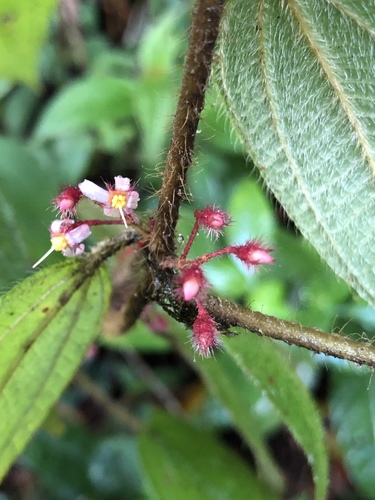
(c) Diogo Lucatelli, some rights reserved (CC BY-NC)
iNaturalist· cc-by-nc
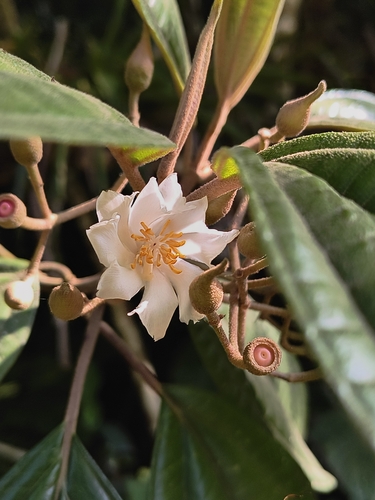
(c) Diogo Lucatelli, some rights reserved (CC BY-NC)
iNaturalist· cc-by-nc
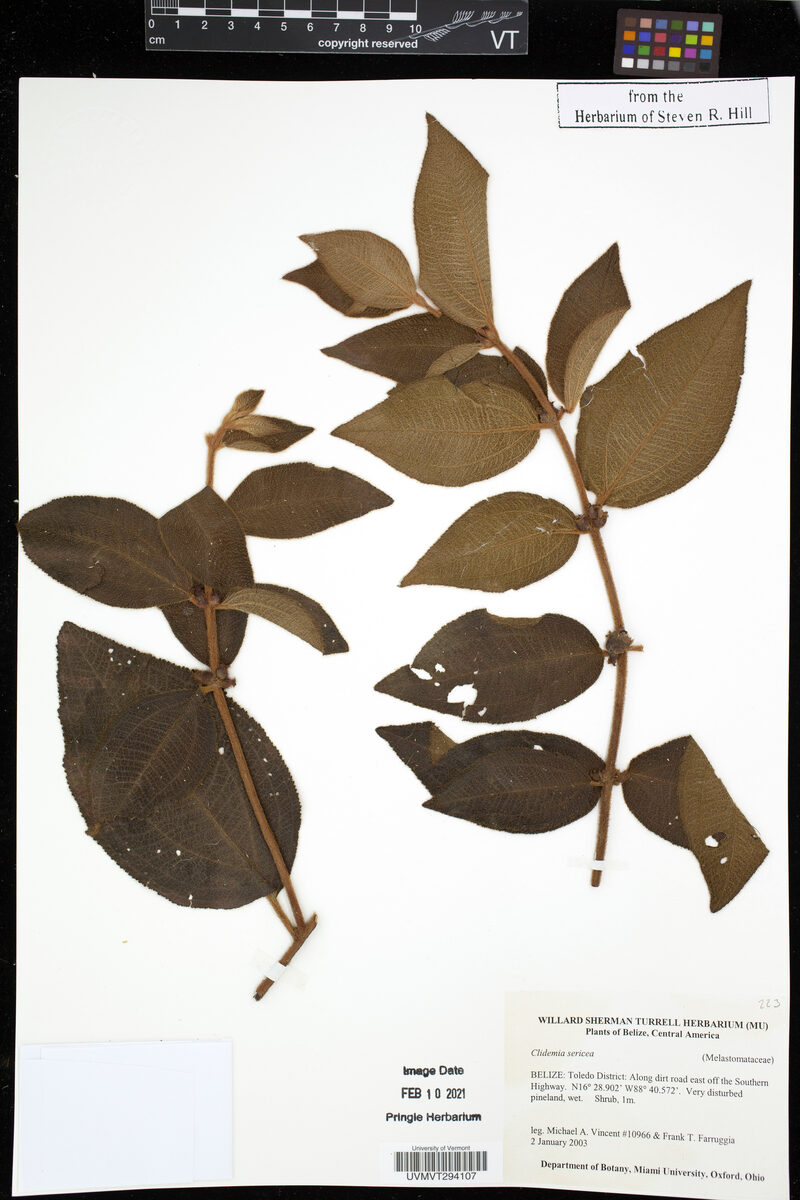
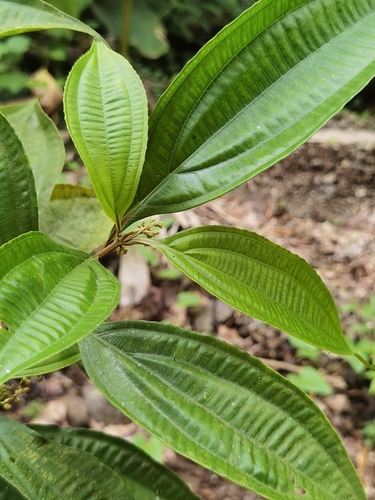
(c) janissarkis, some rights reserved (CC BY-NC)
Summary
Source: WikipediaMiconia ciliata is a species of shrub in the family Melastomataceae. It is native to North and South America.
Description
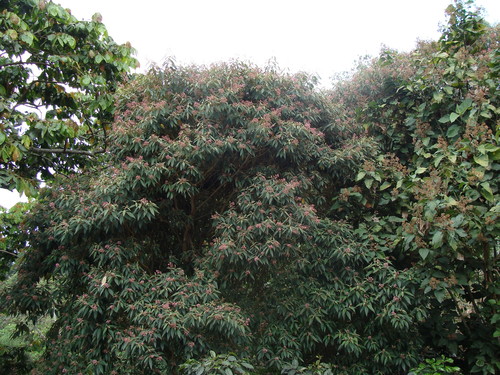
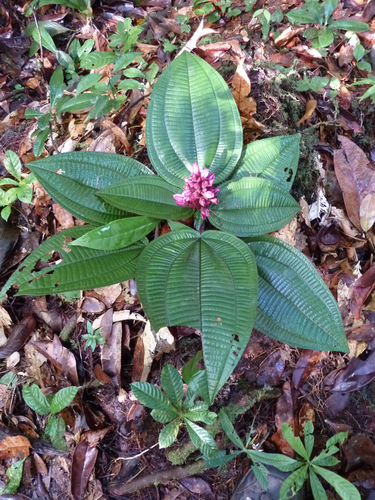
A shrub. It grows 3 m tall. The flowers are grouped along stalks 5-15 cm long. These are pyramid shaped. The fruit do not have stalks. The fruit are flattened berries. They are 0.4 cm long by 0.35 cm wide. They are green to blue-black. The pulp is purple and juicy. It is edible.
Edible Uses
The fruit are eaten raw.
Traditional Uses
The fruit are eaten raw.
This uses section is brief — help expand it
Distribution
It is a tropical plant. It grows in wet areas on savannas. It also grows on the edges of savanna forest.
Where It Grows
Amazon, Belize, Bolivia, Brazil, Central America, Colombia, Costa Rica, Dominican Republic, French Guiana, Guatemala, Guiana, Guianas, Guyana, Haiti*, Honduras, Jamaica*, Mexico*, Nicaragua, North America, Panama, Peru, South America*, Suriname, Trinidad-Tobago, Venezuela, West Indies*,
Cultivation
Fruits are produced all year round in Jamaica.
Synonyms
Also Known As
Ah-san, Caiuia-branca, Chuk-pa-sas, Kak-he-a-sir, Niguito, Sak-he-asar, Sakwasapere biberoe
References (9)
- Fouqué, A., 1972, Espèces fruitières d'Amérique tropicale. Institut français de recherches fruitierès outre-mer
- Grandtner, M. M. & Chevrette, J., 2013, Dictionary of Trees, Volume 2: South America: Nomenclature, Taxonomy and Ecology. Academic Press p 399
- Kermath, B. M., et al, 2014, Food Plants in the Americas: A survey of the domesticated, cultivated and wild plants used for Human food in North, Central and South America and the Caribbean. On line draft. p 536
- Kew Plants of the World On line
- Lopez-Diago, D. & Garcia, N., 2021, Wild edible fruits of Colombia. Biota ColomBiana 22 (2) p 42
Show all 9 references Hide references
- Plants of Haiti Smithsonian Institute http://botany.si.edu/antilles/West Indies
- Roa, J. A. G. & Boada, D. S. G., 2018, Fundación para el Fortalecimiento de la Fruticultura y Plantas Alimenticias no Convencionales en Colombia.
- Segura, S., et al, 2018, The edible fruit species in Mexico. Genet Resour Crop Evol (2018) 65:1767–1793
- van Roosmalen, M.G.M., 1985, Fruits of the Guianan Flora. Utrecht Univ. & Wageningen Univ. p 276