Dipcadi erythraeum
Webb. & Berth.
Brown bell, Brown lily
iNaturalist· cc-by-nc
(c) Abdulnaser Abdulkarim, some rights reserved (CC BY-NC)
iNaturalist· cc-by-nc
(c) Abdulnaser Abdulkarim, some rights reserved (CC BY-NC)
iNaturalist· cc-by-nc
(c) Abdulnaser Abdulkarim, some rights reserved (CC BY-NC)
Description
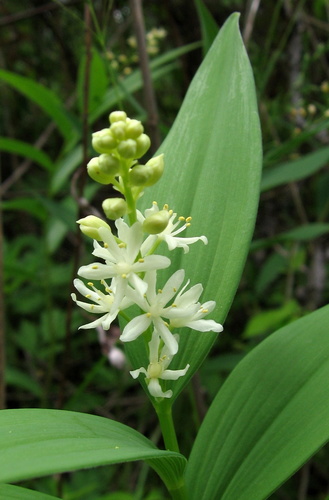
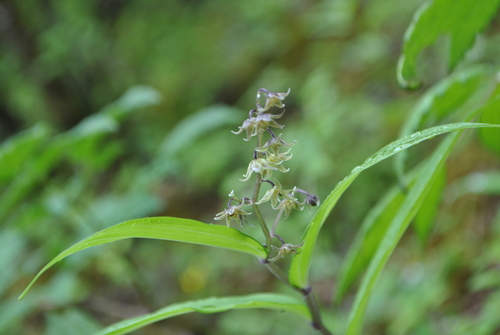
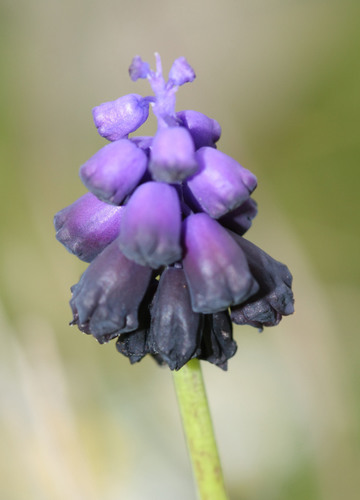
A bulb plant. It grows 4-8 cm high. It can be 15 cm high in sheltered locations. There are 2 or sometimes 3 narrow leaves that grow close to the ground. A drooping flower stalk has up to 14 bell shaped flowers. Each flower has 3 outer and 3 inner petals. The fruit is large and grey. It is divided into 3 parts lengthwise. The fruit is edible.
Edible Uses
Both the bulbs and the large grey fruits are eaten, with the bulbs traditionally consumed in Pakistan.
Traditional Uses
The bulbs are eaten in Pakistan.
This uses section is brief — help expand it
Distribution
It is a Mediterranean climate plant. In Bahrain it grows in gravelly or sandy soils.
Where It Grows
Afghanistan, Africa, Bahrain, Egypt, India, Iran, Iraq, Middle East, North Africa, Pakistan, Qatar, Kuwait, Saudi Arabia, United Arab Emirates, UAE,
Notes
They have also been put in the families Hyacinthaceae and Liliaceae.
Synonyms
Also Known As
Ansalan, Ansel, Askanda, Bessail al maa, Busalamo, Jangali bussur, Misselmo
References (5)
- Flora of Pakistan. www.eFloras.org
- Lim, T. K., 2015, Edible Medicinal and Non Medicinal Plants. Volume 9, Modified Stems, Roots, Bulbs. Springer p 38
- Mandaville, J. P., 2004, Bedouin ethnobotany: Plant concepts and plant use in a desert pastoral world. PhD thesis University of Arizona. p 155
- Norton, J., et al, 2009, An Illustrated Checklist of the Flora of Qatar. UNESCO Office in Doha.
- Phillips, D.C., 1988, Wild Flowers of Bahrain. A Field Guide to Herbs, Shrubs, and Trees. Privately published. p 126