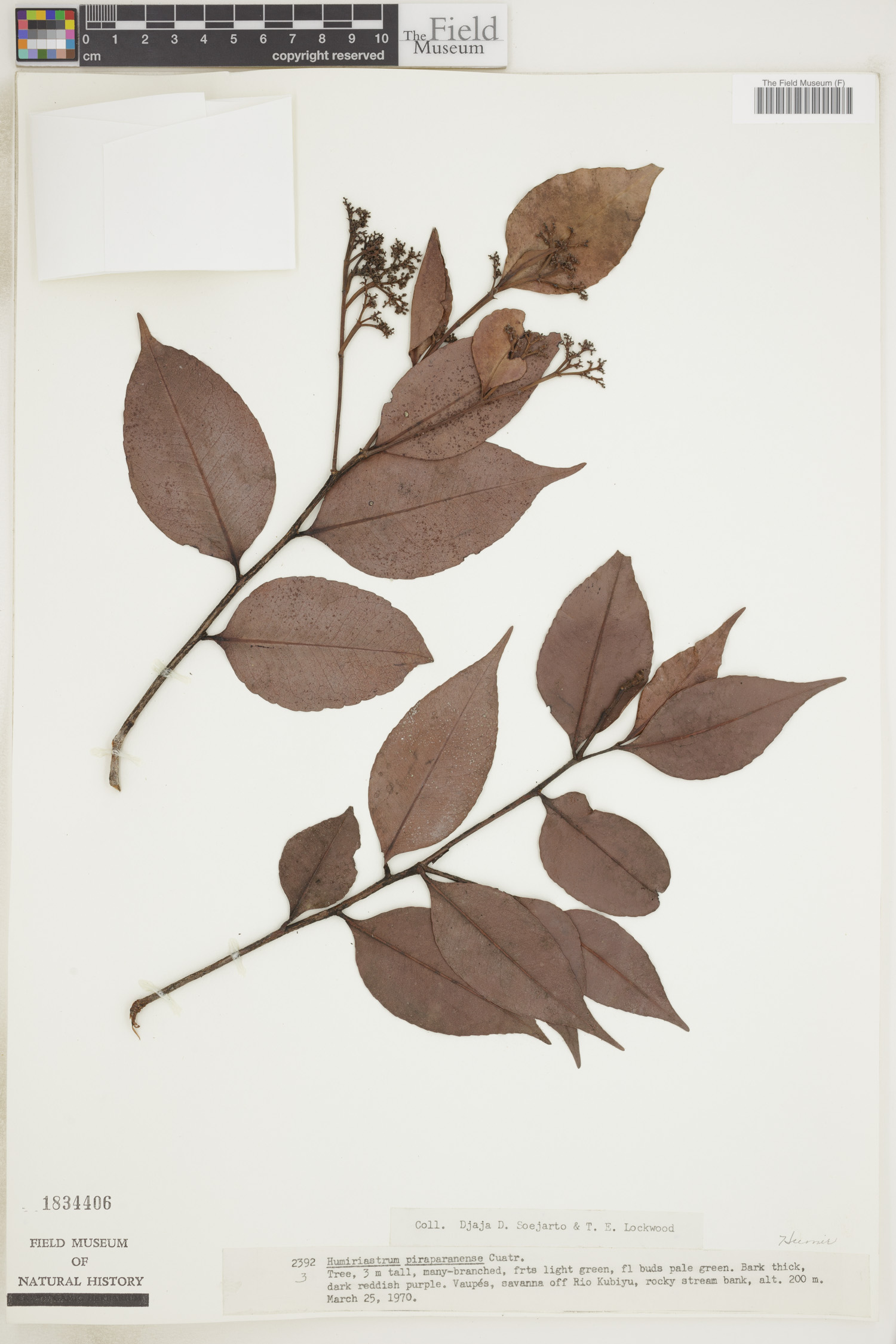
Endopleura uchi
(Huber) Cuatrec.
Uxi
iNaturalist· cc0
no rights reserved, uploaded by w_endo
iNaturalist· cc-by-nc
(c) Julien Piolain, some rights reserved (CC BY-NC)
Description
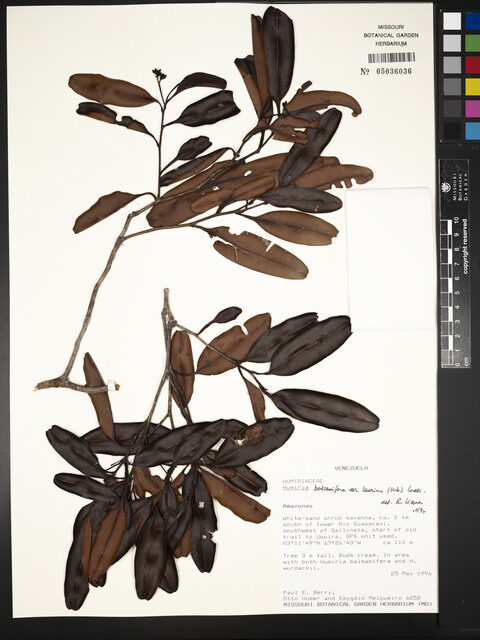
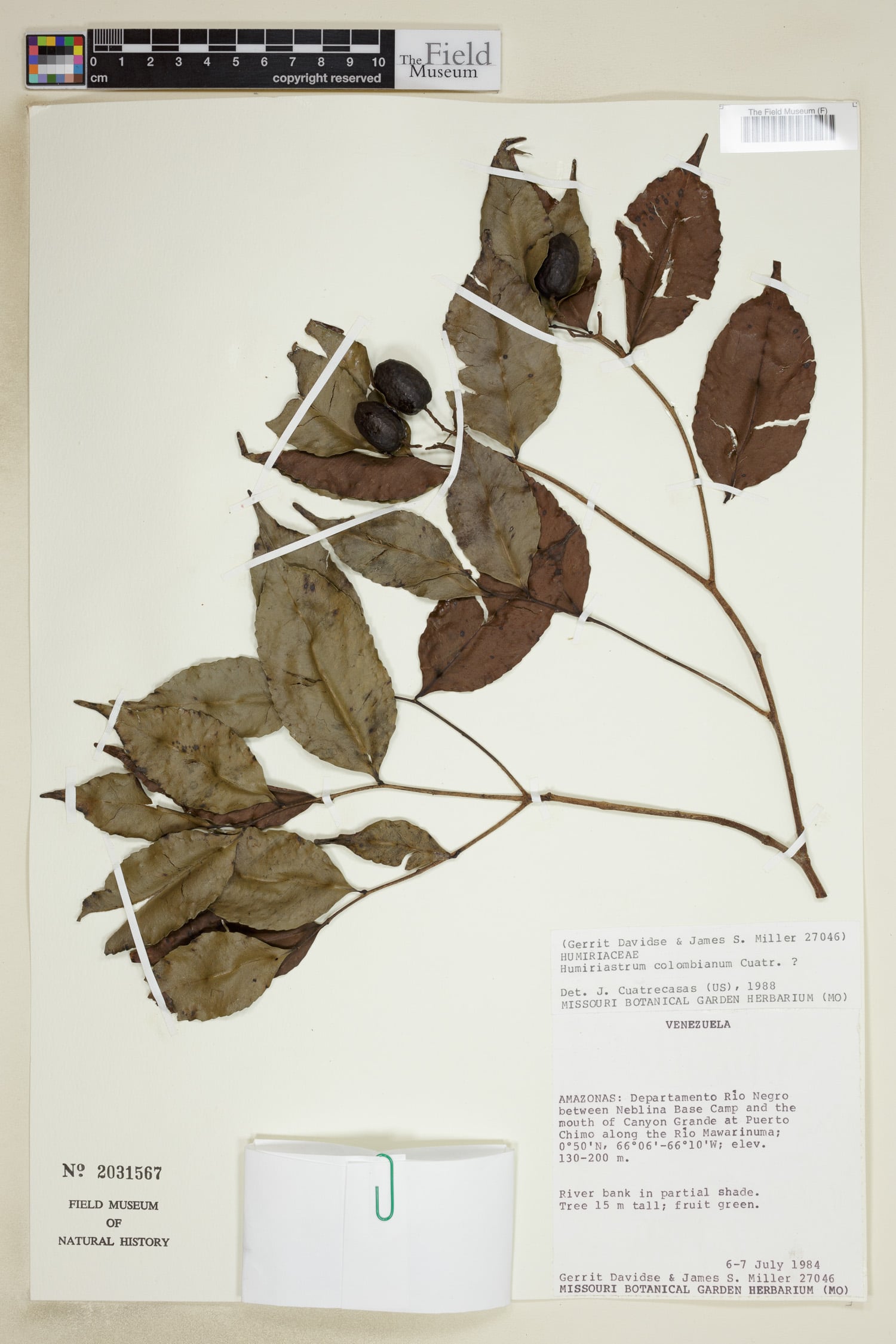
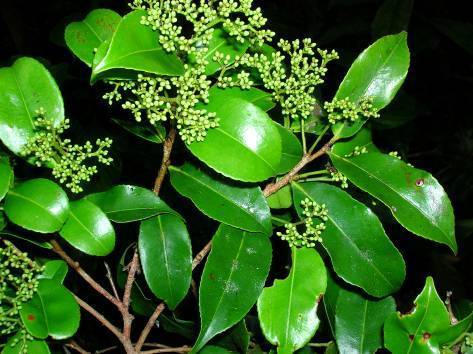
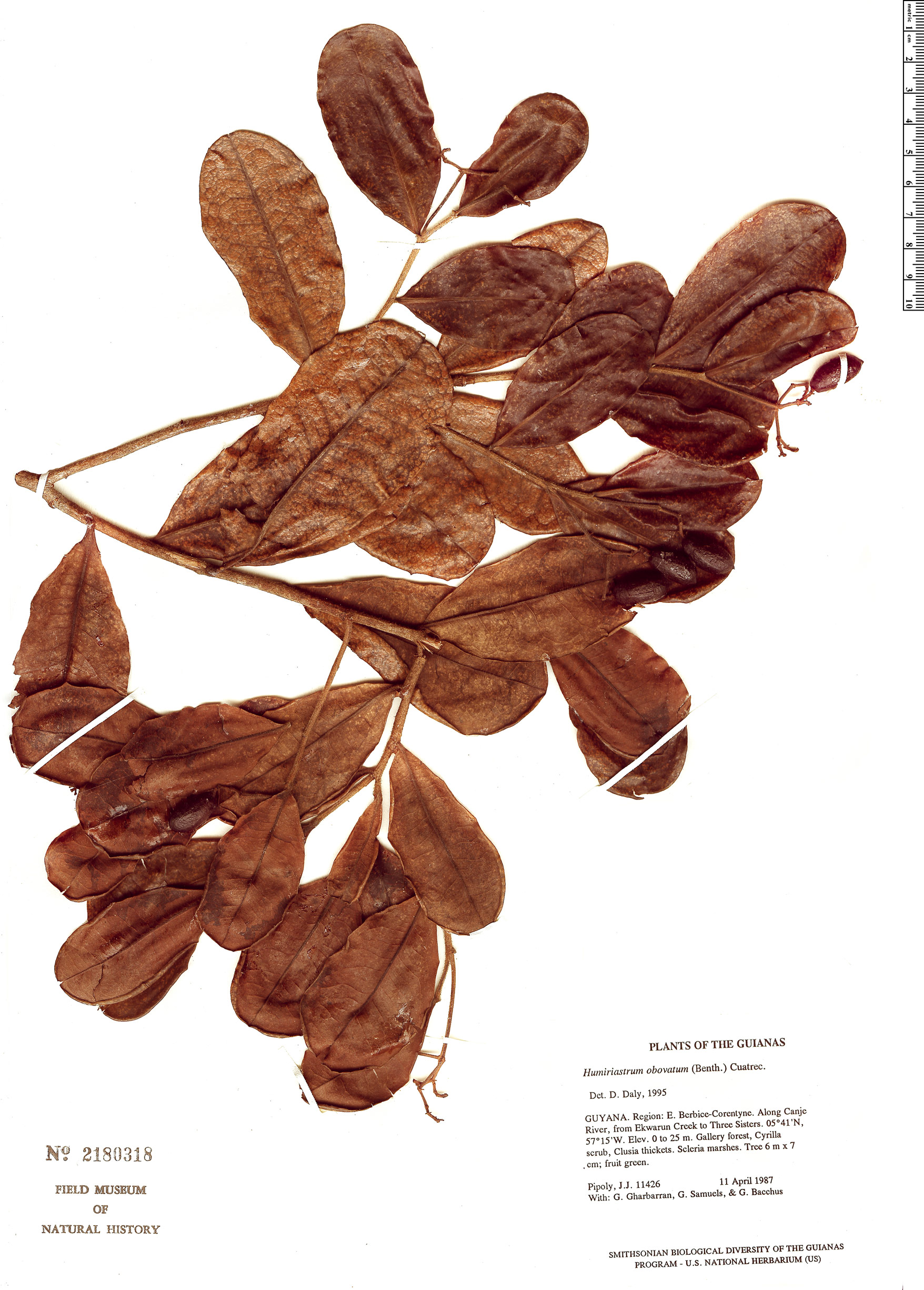
A tree. It grows 20-30 m high. The crown is round. The trunk is upright and 60-90 cm across. The bark is thick and smooth. The leaves are simple and alternate. They are 10-20 cm long and 3-8 cm wide. They are in groups in the axils of leaves. The flowers are green and have a scent. The stamens are yellow. The fruit are round and weigh 50-60 g. They contain 1-2 seeds. The fruit vary in colour from green to yellow and red or purple.
Edible Uses
The fruit are eaten fresh, mixed with cassava flour, or used for ice creams, jams, and liqueurs. The fruit pulp yields an oil, and seeds are used for oil production.
Traditional Uses
The fruit can be eaten fresh. They are also mixed with cassava flour. They are also used for ice creams, jams and liqueurs. The pulp yields an oil.
Medicinal Uses
The fruit contain alpha-tocopherol (Vitamin E) at 1.0 mg per 100 g.
Distribution
A tropical plant. It grows in dryland forest in the Amazon in Brazil. It suits acid soils.
Where It Grows
Amazon, Bolivia, Brazil*, Guiana, Guyana, South America, Venezuela,
Cultivation
Plants are grown from seed. The ripe fruit are put in a plastic bag to allow them to soften to help remove the seeds. Seeds only remain viable for a short time. Fresh seed should be harvested. The seed have a hard seed coat which should be broken then fresh seed planted. Seed take 9-10 months to germinate.
Propagation
Seed - best sown as soon as it is ripe in individual containers in a lightly shaded position. A high rate of germination can be expected, though it can take 9 months or more before the seed sprouts. The seed may benefit from scarification before sowing, in order to speed up germination. This can usually be done by pouring a small amount of nearly boiling water on the seeds (being careful not to cook them!) and then soaking them for 12 - 24 hours in warm water. By this time they should have imbibed moisture and swollen - if they have not, then carefully make a nick in the seedcoat (being careful not to damage the embryo) and soak for a further 12 hours before sowing.
Other Uses
The wood is medium-textured, straight-grained, heavy, with excellent mechanical properties and very durable when exposed to the elements. It is used mainly for cabinet making, poles, stakes and railway ties.
Production
Plants grow slowly. Trees begin to fruit after about 15 years.
Other Information
It is a cultivated fruit tree. The fruit are sold in local markets.
Notes
The fruit have alpha-tocopherol (Vitamin E) at 1.0 mg per 100 g.
Nutrition
| Part | Moisture | kJ | kcal | Protein | Vit A | Vit C | Iron | Zinc |
|---|---|---|---|---|---|---|---|---|
| Fruit | 37.5 | — | — | 0.9 | — | 22.2 | 1.2 | 0.8 |
Synonyms
Also Known As
Aceitillo, Pata de picure, Mixi, Uchi-liso, Uxi-amarelo, Uxi-liso, Uxi-pucu
References (13)
- Contr. U.S. Natl. Herb. 35:81. 1961
- Grandtner, M. M. & Chevrette, J., 2013, Dictionary of Trees, Volume 2: South America: Nomenclature, Taxonomy and Ecology. Academic Press p 219
- Hunter, D., et al, 2019, The potential of neglected and underutilized species for improving diets and nutrition. Planta (2019) 250:709-729
- Kermath, B. M., et al, 2014, Food Plants in the Americas: A survey of the domesticated, cultivated and wild plants used for Human food in North, Central and South America and the Caribbean. On line draft. p 335
- Lorenzi, H., 2002, Brazilian Trees. A Guide to the Identification and Cultivation of Brazilian Native Trees. Vol. 02 Nova Odessa, SP, Instituto Plantarum p 125
Show all 13 references Hide references
- Lorenzi, H., Bacher, L., Lacerda, M. & Sartori, S., 2006, Brazilian Fruits & Cultivated Exotics. Sao Paulo, Instituto Plantarum de Estuados da Flora Ltda. p 149
- Martin, F. W., et al, 1987, Perennial Edible Fruits of the Tropics. USDA Handbook 642 p 96 (Also as Sacoglottis uchi)
- Marx, F., et al, 2002, Studies of edible Amazonian plants. Part 5: Chemical characterisation of Amazonian Endopleura uchi fruits. Eur Food Res Technol (2002) 214:331–334
- Paz, F. S., et al, 2021, Edible Fruit Plant Species in the Amazon Forest Rely Mostly on Bees and Beetles as Pollinators. Journal of Economic Entomology, XX(XX), 2021, 1–13
- Shanley, P. et al, (Eds), 2011, Fruit trees and useful plants in Amazonian life. Non-wood Forest Products No 20. FAO, CIFOR and PPI. p 139
- TodaFruta.com.br
- World Checklist of Useful Plant Species 2020. Royal Botanic Gardens, Kew
- www.colecionandofrutas.org