Cantharellus formosus
Corner
Pacific coast Golden chantarelle
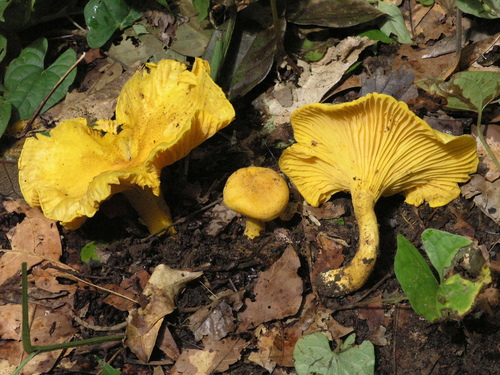
iNaturalist· cc-by
(c) Alan Rockefeller, some rights reserved (CC BY), uploaded by Alan Rockefeller
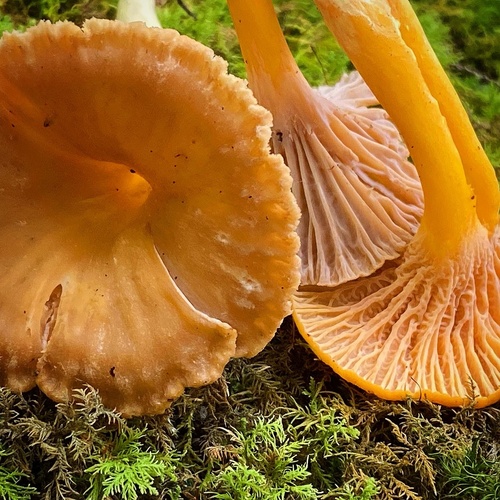
iNaturalist· cc-by
(c) Alan Rockefeller, some rights reserved (CC BY), uploaded by Alan Rockefeller
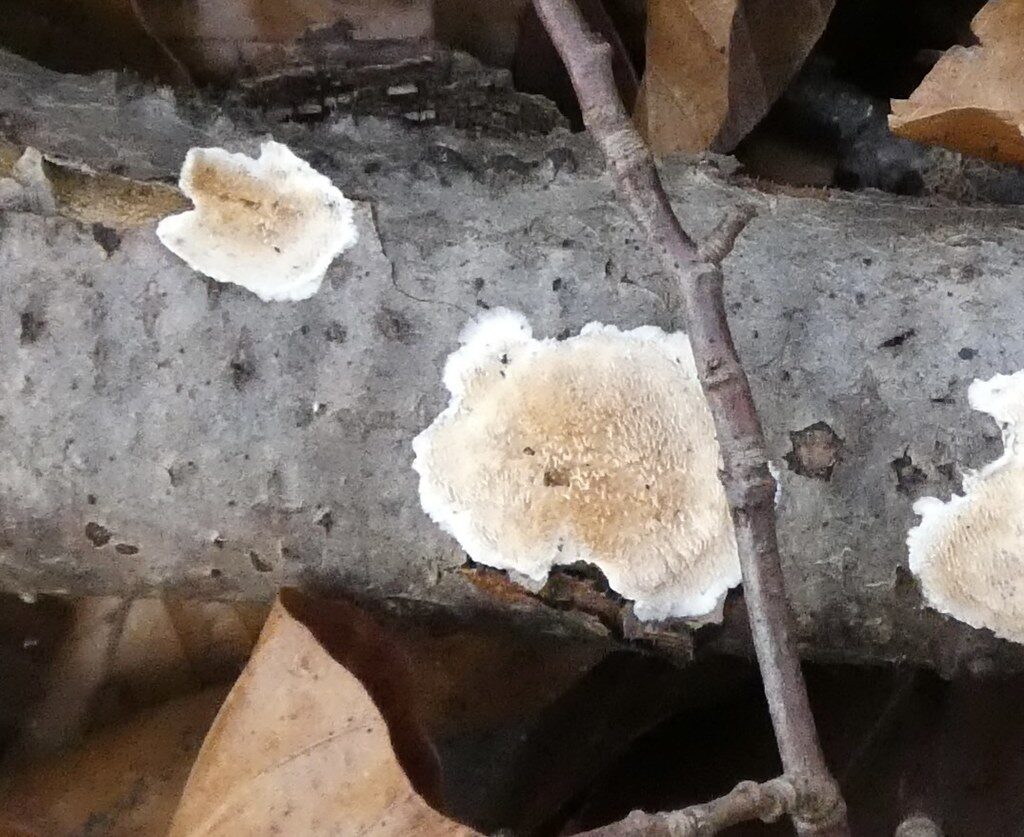
iNaturalist· cc-by-nc
(c) Christian Schwarz, some rights reserved (CC BY-NC), uploaded by Christian Schwarz
Summary
Source: WikipediaCantharellus formosus, commonly known as the Pacific golden chanterelle, is a fungus native to the Pacific Northwest region of North America. It is a member of the genus Cantharellus along with other popular edible chanterelles. It was distinguished from C. cibarius in the 1990s. It is orange to yellow, meaty and funnel-shaped. On the underside of the smooth cap, it has gill-like ridges that run down onto its stipe, which tapers down from the cap. The false gills often have a pinkish hue. It has a mild, sweet odor. It appears solitary to gregarious in coniferous forests, from July to December. It is a choice edible mushroom and Oregon's state mushroom.
Description
A temperate mushroom in the family Cantharellaceae.
This description is brief — help expand it
Edible Uses
The mushroom fungus is edible.
Distribution
It is a temperate plant.
Where It Grows
Asia, Canada, North America, Taiwan,
Dangerous Lookalikes
This plant can be confused with the following toxic species. Always verify identification carefully before consuming any wild plant.
Jack-O'-Lantern Mushroom
Omphalotus olearius
Antonio Abbatiello
Pacific coast Golden chantarelle
Cantharellus formosus
(c) Alan Rockefeller, some rights reserved (CC BY), uploaded by Alan Rockefeller
Jack-O'-Lantern Mushroom: True knife-like gills, grows in clusters on wood/stumps, glows in the dark, orange throughout.
Pacific coast Golden chantarelle: Blunt forked ridges (not true gills), grows singly from soil, apricot/fruity smell, solid flesh.
References (2)
- Boa, E. R., 2004, Wild edible fungi and their importance to people. FAO Non Wood Forest Products Booklet 17
- Schneider, E., 2001, Vegetables from Amaranth to Zucchini: The essential reference. HarperCollins. p 168