Leucangium carthusianum
(Tul. & C. Tul.) Paol.
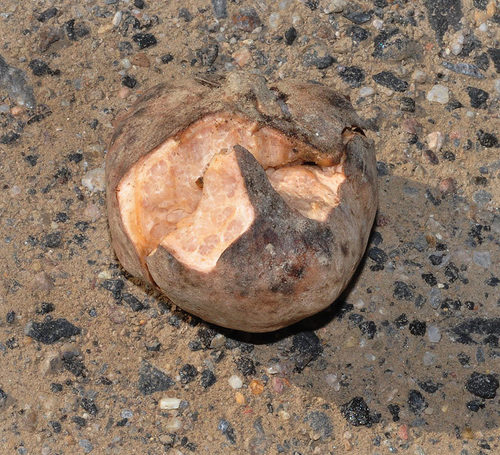
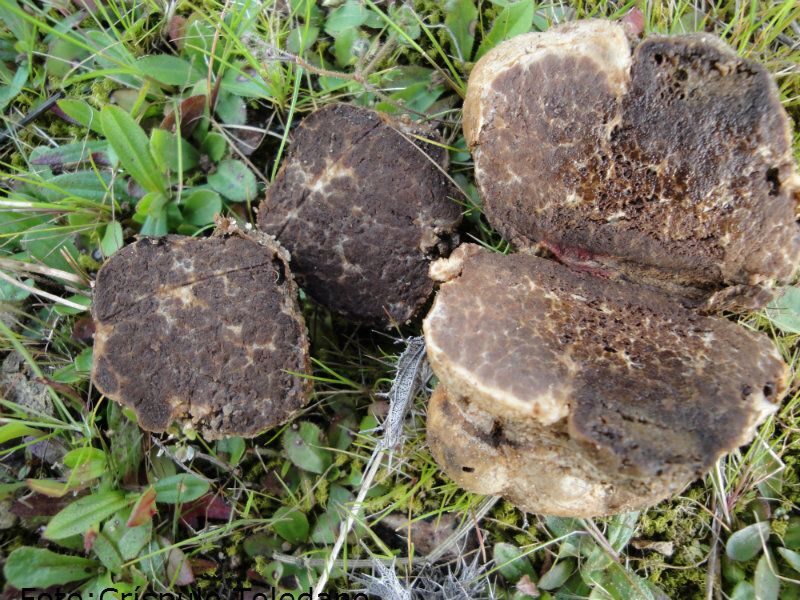
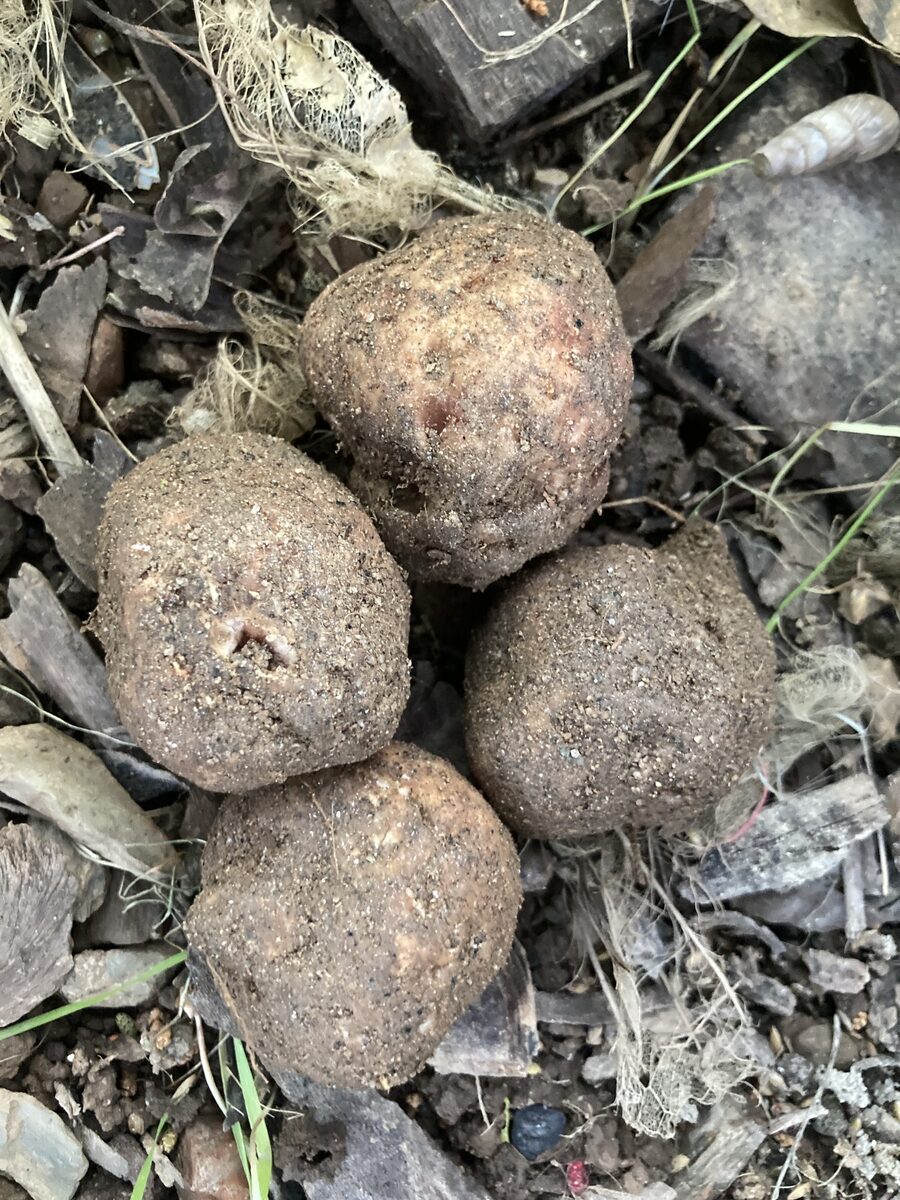
Oregon black truffle
iNaturalist· cc-by-nc
(c) Peter Karasch, some rights reserved (CC BY-NC)
iNaturalist· cc-by-nc
(c) Peter Karasch, some rights reserved (CC BY-NC)
iNaturalist· cc-by-nc
(c) Peter Karasch, some rights reserved (CC BY-NC)
Summary
Source: WikipediaLeucangium carthusianum is a species of ascomycete fungus. It is commonly known as the Oregon black truffle. It is found in the Pacific Northwest region of North America, where it grows in an ectomycorrhizal association with Douglas-fir. It is commercially collected, usually assisted by a specially trained truffle dog. Mature fruiting bodies can be dug up mostly during winter, but the season can extend from September through April.
Description
An underground fungus (truffle) with a black to dusky violet fruiting body, found in temperate regions.
This description is brief — help expand it
Edible Uses
The fruiting bodies are eaten fresh.
Traditional Uses
The fruiting bodies are eaten.
This uses section is brief — help expand it
Distribution
It is a temperate plant.
Where It Grows
North American, USA,
Synonyms
References (2)
- Facciola, S., 1998, Cornucopia 2: a Source Book of Edible Plants. Kampong Publications, p 254 (As Picoa carthusiana)
- Schneider, E., 2001, Vegetables from Amaranth to Zucchini: The essential reference. HarperCollins. p 675