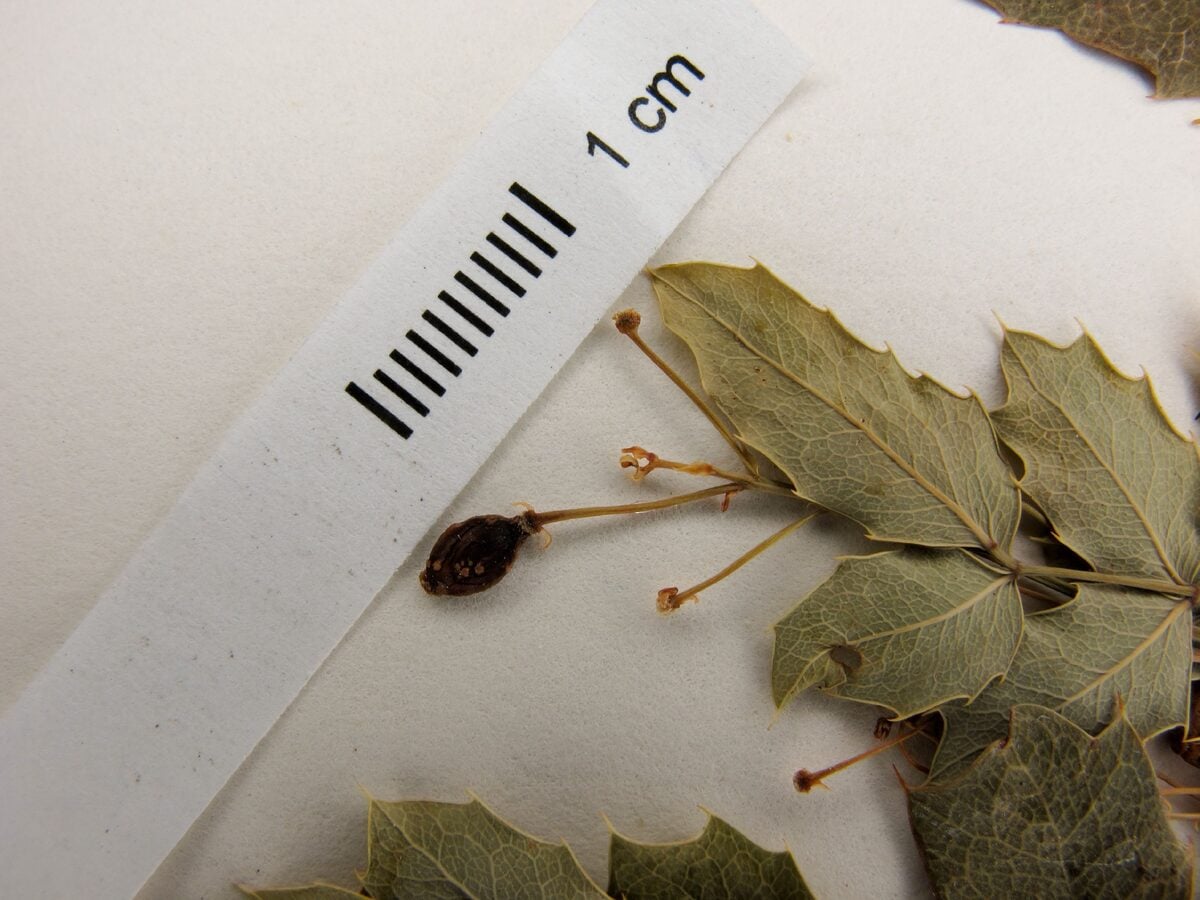
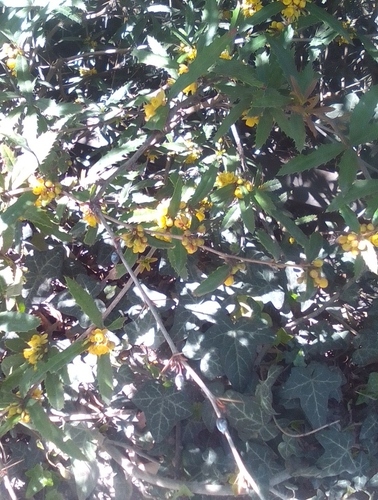
Bongardia chrysogonum
(L.) Griseb.
Bongardia, Chrysogonum
iNaturalist· cc-by-nc
(c) Shahrzad Fattahi, some rights reserved (CC BY-NC), uploaded by Shahrzad Fattahi
iNaturalist· cc-by-nc
(c) rizasulduz, some rights reserved (CC BY-NC), uploaded by rizasulduz
iNaturalist· cc-by-nc
(c) Теймуров А.А., some rights reserved (CC BY-NC), uploaded by Теймуров А.А.
Summary
Source: WikipediaCompact perennial growing to 0.2 meters tall, expanding slowly. Hardy to UK zone 9. Flowers in May. Hermaphroditic. Prefers light sandy, well-drained soils and tolerates poor nutrition. Adapts to mildly acid, neutral, and mildly alkaline pH. Requires full sun and tolerates drought with dry or moist soil conditions.
Description
A perennial herb. It has a rounded tuber or corm. It grows to 30-60 cm tall and spreads 30-50 cm wide. The leaves are divided into leaflets along the stalk. The leaves are 10-25 cm long. They are bluish-green but reddish near the base. The flowers are pale yellow. They are in loose panicles. The fruit are oval and have a red tinge.
Edible Uses
Edible Parts: Leaves Root Edible Uses: Tuber - baked or boiled. The leaves are eaten raw or cooked in the same manner as sorrel.
Traditional Uses
The root tubers are baked or boiled then eaten. The leaves are eaten raw or cooked. They are added to salads. The young flowers are boiled or fried with eggs to make an omelette,
Medicinal Uses
Antispasmodic Epilepsy A treatment for epilepsy.
Distribution
It needs a well drained sandy soil. Plants need hot dry conditions during the summer dormancy. It suits a Mediterranean climate. It is drought tolerant. It cannot stand wet conditions. It suits hardiness zones 9-10.
Where It Grows
Australia, Central Asia, Europe, Greece, Iran, Iraq, Jordan, Mediterranean, Middle East, Pakistan, Syria, Tajikistan, Turkey, Türkiye,
Cultivation
It can be grown from seed. Plants should be grown in warm sheltered conditions for the first 3 years.
Propagation
Seed - best sown as soon as it is ripe in the greenhouse, putting about 3 -4 seeds in each pot. Use deep pots since the seedlings produce a contractile root that can pull themselves down to a depth of 15 - 30cm before sending up their first leaf. The seed germinates in autumn and the first leaf appears in the spring. Grow the plants on in the greenhouse for at least 3 years before planting them out. Division is sometimes suggested as a means of increase, but is not possible for this species.
Other Uses
None known Special Uses
Production
Plants can be very long lived.
Notes
There is only one Bongardia species. Also put in the family Leonticaceae.
Synonyms
Also Known As
Eraift ed-dik, Gablla, Geble, Kaprooka, Ladies nightcap, Rejil al-hamameh
References (13)
- Ahmad, S. A. & Askari, A. A., 2015, Ethnobotany of the Hawraman Region of Kurdistan Iraq. Harvard Papers in Botany, Vol. 20, No. 1, 2015, pp. 85–89.
- Al-Qura'n, S. A., 2010, Ethnobotanical and Ecological Studies of Wild Edible Plants in Jordan. Libyan Agriculture Research Center Journal International 1(4):231-243
- Bircher, A. G. & Bircher, W. H., 2000, Encyclopedia of Fruit Trees and Edible Flowering Plants in Egypt and the Subtropics. AUC Press. p 61
- Blamey, M and Grey-Wilson, C., 2005, Wild flowers of the Mediterranean. A & C Black London. p 50
- Cundall, P., (ed.), 2004, Gardening Australia: flora: the gardener's bible. ABC Books. p 242
Show all 13 references Hide references
- Facciola, S., 1998, Cornucopia 2: a Source Book of Edible Plants. Kampong Publications, p 140
- Flora of Pakistan. www.eFloras.org
- Hedrick, U.P., 1919, (Ed.), Sturtevant's edible plants of the world. p 109 (As Bongardia rauwolfii)
- Lim, T. K., 2015, Edible Medicinal and Non Medicinal Plants. Volume 9, Modified Stems, Roots, Bulbs. Springer p 17
- Pieroni, A., et al, 2017, The spring has arrived: traditional wild vegetables gathered by Yarsanis (Ahl-e Haqq) and Sunni Muslims in Western Hawraman, SE Kurdistan (Iraq). Acta Soc Bot Pol 86(1):3519
- Plants for a Future database, The Field, Penpol, Lostwithiel, Cornwall, PL22 0NG, UK. http://www.scs.leeds.ac.uk/pfaf/
- Rivera, D. et al, 2006, Gathered Mediterranean Food Plants - Ethnobotanical Investigations and Historical Development, in Heinrich M, Müller WE, Galli C (eds): Local Mediterranean Food Plants and Nutraceuticals. Forum Nutr. Basel, Karger, 2006, vol 59, pp 18–74
- World Checklist of Useful Plant Species 2020. Royal Botanic Gardens, Kew