Cereus pernambucensis
Lem.
Jumbeba
wikimedia· cc-by
Wikimedia Commons - Scott Zona from Miami, Florida, USA
wikimedia· cc-by
Wikimedia Commons - Pablo Cauã da Silva Toledo
Description
A cactus. It can be erect or lean over. It grows 1 m tall and the stems are 15 cm across. There is one central spine and 6 spines around it. These can be 5 cm long. The flowers do not have spines but they have scales. The flowers are white and 25 cm long. The fruit are narrowly oval. They are purplish red When ripe the fruit split open revealing the white pulp. The seeds are black.
Edible Uses
The white pulp of the ripe fruit is edible.
Traditional Uses
The pulp of the fruit is edible.
This uses section is brief — help expand it
Distribution
A tropical plant.
Where It Grows
Brazil*, Paraguay, South America, Uruguay,
Notes
There are 40 Cereus species in South America.
Synonyms
References (3)
- Facciola, S., 1998, Cornucopia 2: a Source Book of Edible Plants. Kampong Publications, p 63
- Kermath, B. M., et al, 2014, Food Plants in the Americas: A survey of the domesticated, cultivated and wild plants used for Human food in North, Central and South America and the Caribbean. On line draft. p 206
- Tanaka,
More from Cactaceae
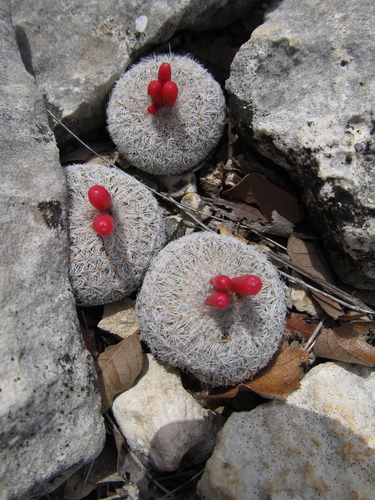
Epithelantha micromeris
Common button cactus
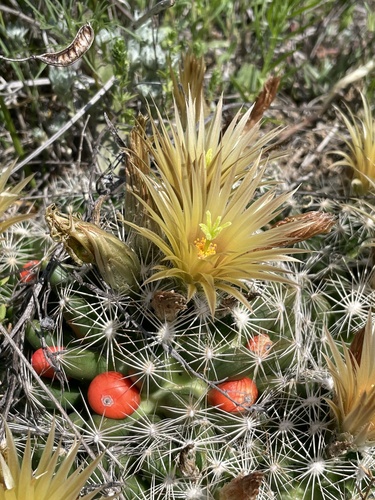
Escobaria missouriensis var. missiouriensis
Missouri foxtail cactus
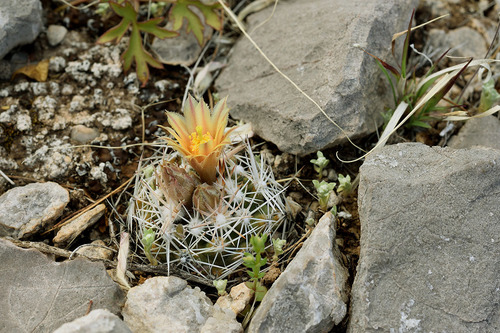
Escobaria robbinsorum
Cochise pincushion cactus, Cochise foxtail cactus
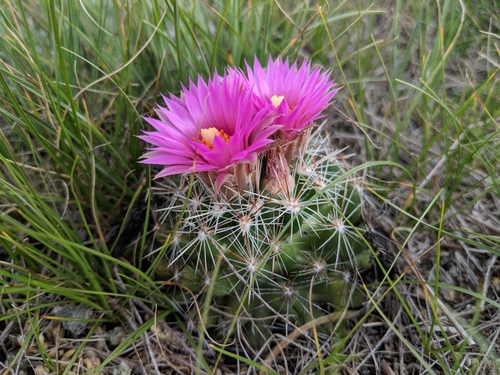
Escobaria vivipara
Cushion cactus, Ball cactus
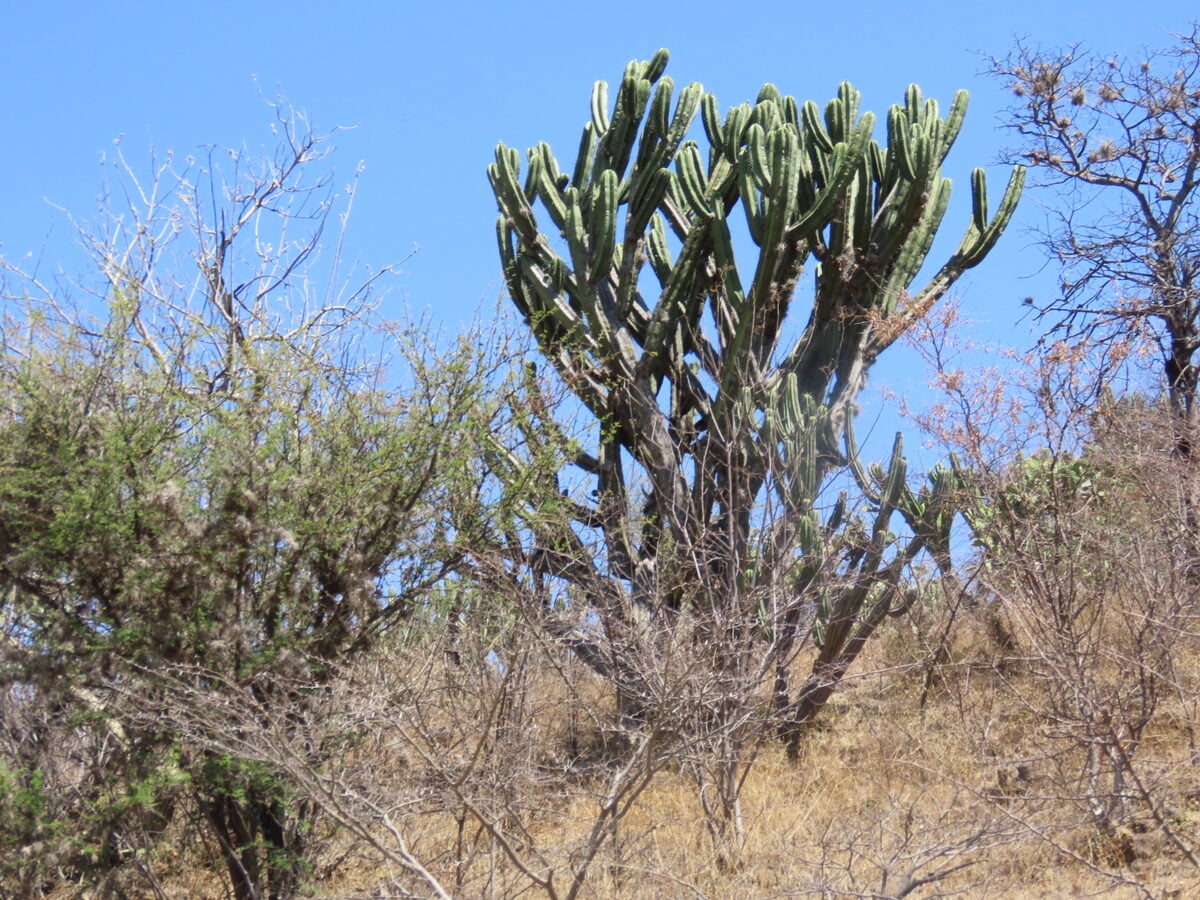
Escontria chiotilla - (A.A.Weber ex K.Schum.) Rose
Chiotilla, Jiotilla
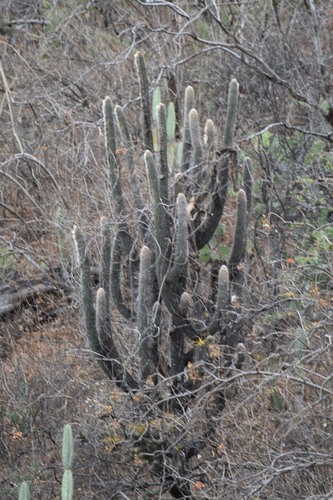
Espostoa lanata
Cotton ball, Peruvian old man cactus