Chamaedorea sartorii
Liebm. in Mart.;
Tepejilote
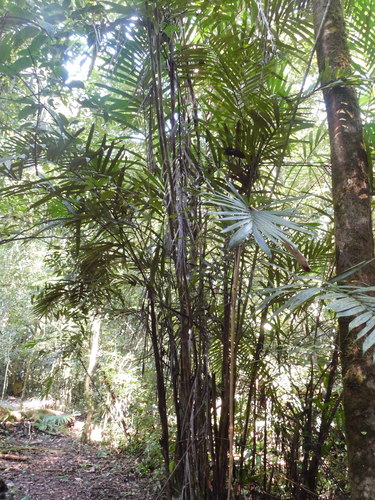
iNaturalist· cc-by-nc
(c) Josue Ramos Galdamez, some rights reserved (CC BY-NC)
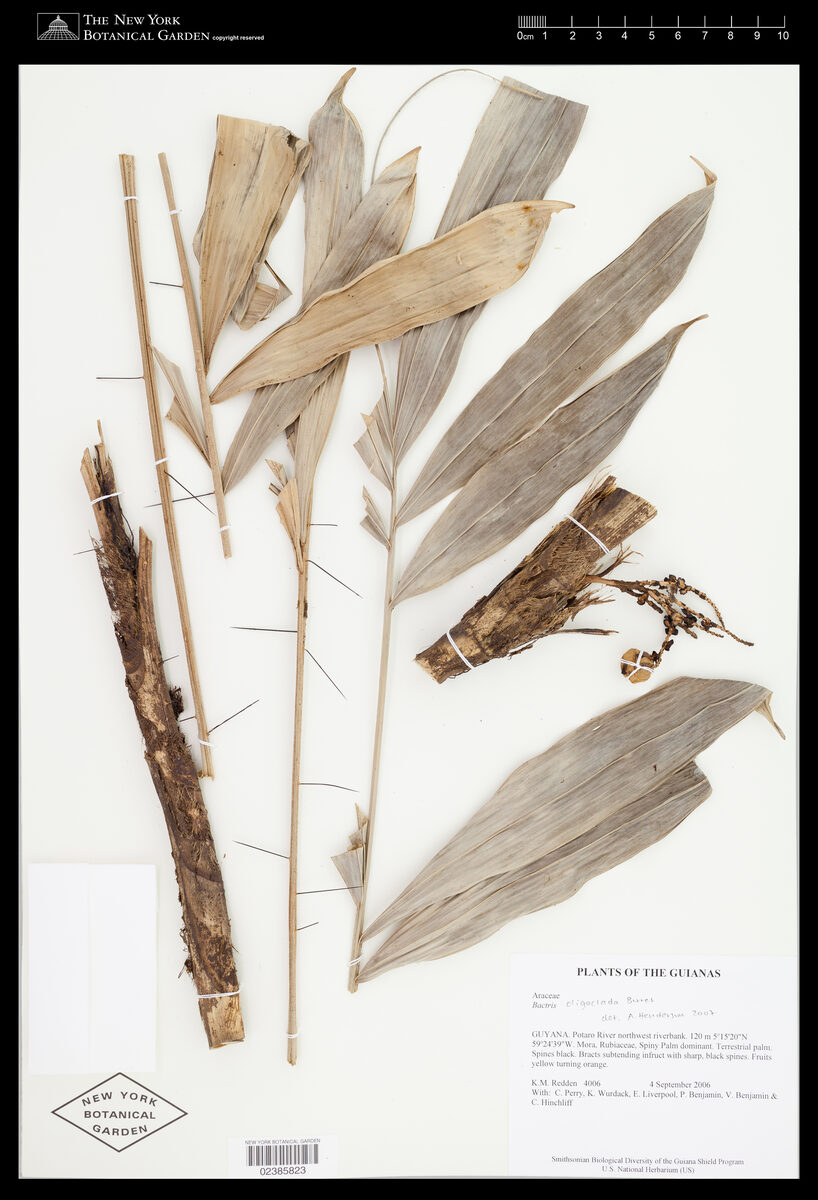
iNaturalist· cc-by-nc
(c) Josue Ramos Galdamez, some rights reserved (CC BY-NC)
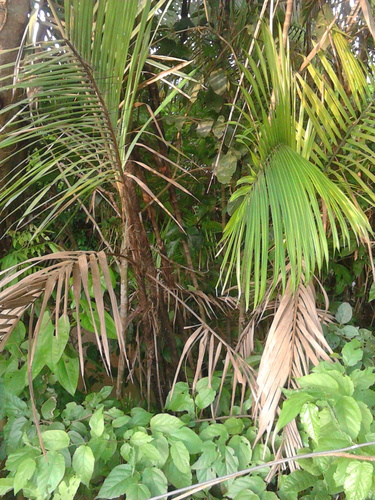
iNaturalist· cc-by-nc
(c) Pedro, some rights reserved (CC BY-NC)
Description
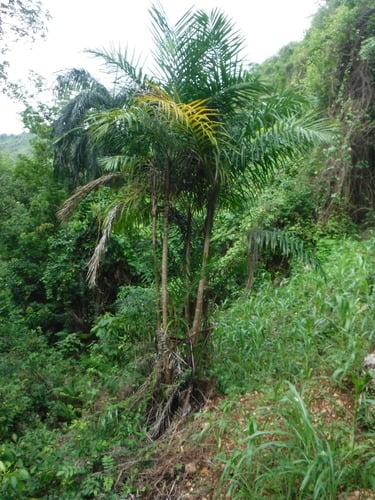
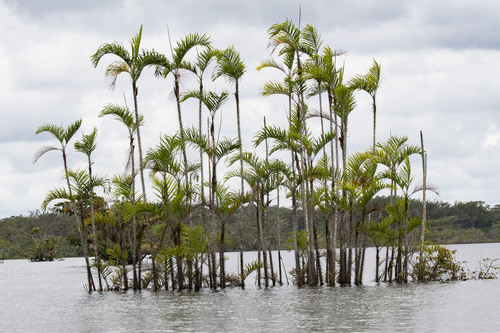
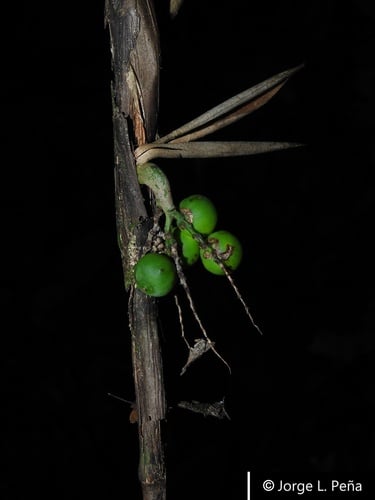
A small narrow palm. It has a single stem. This is 0.6-4 m tall and 0.8-1.6 cm across. There are 3-6 leaves that have leaflets along the stalk. There are 5-10 leaflets on each side. They are S shaped and 20-40 cm long and 4-7 cm wide. The flowering stalk is erect and branched. The male stalks have 30 hanging flowering branches densely covered with flowers. The females have 4-8 flowering branches. These have bright orange petals. They fruit are oval and 0.9-1.2 cm long by 7-8 mm wide. They are black.
Edible Uses
The flowers are eaten.
Distribution
A tropical plant. It grows in rainforest often on limestone soils. It grows between 100 and 1,300 m altitude.
Where It Grows
Central America, Honduras, Mexico, North America,
Cultivation
A plant of the humid tropics, it also succeeds in humid subtropical gardens. Prefers a moist, humus-rich soil. Requires a shaded position and is tolerant of even quite heavy shade. A dioecious species, both male and female forms need to be grown if fruit and seed are required.
Propagation
Seed - germinates better and more quickly when sown fresh. Germination can take from less than one month to more than 6 months.
Notes
There are about 100 Chamaedorea species. They are mostly in Central America. There are 77 species in tropical America.
Synonyms
References (2)
- Balick, M.J. and Beck, H.T., (Ed.), 1990, Useful palms of the World. A Synoptic Bibliography. Colombia p 558 (As Eleutheropetalum sartorii),
- Hist. nat. palm. 3:308. 1849