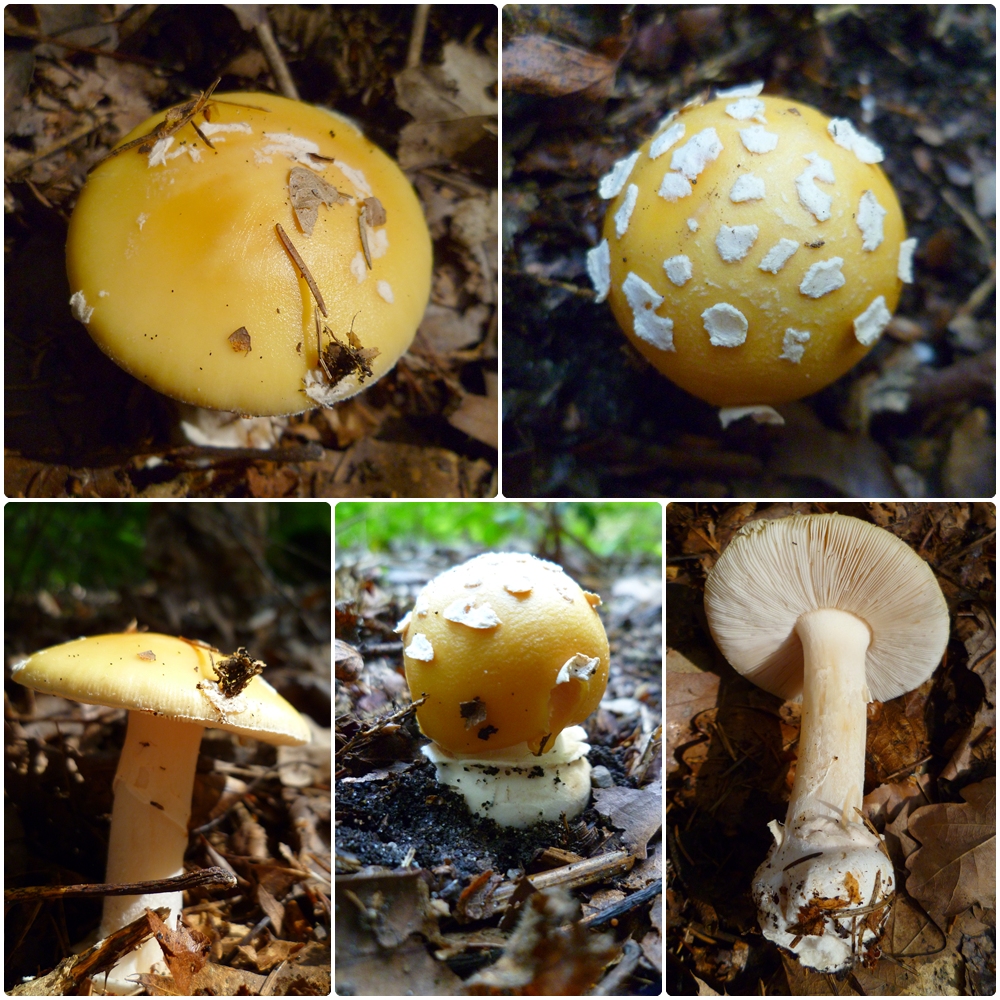
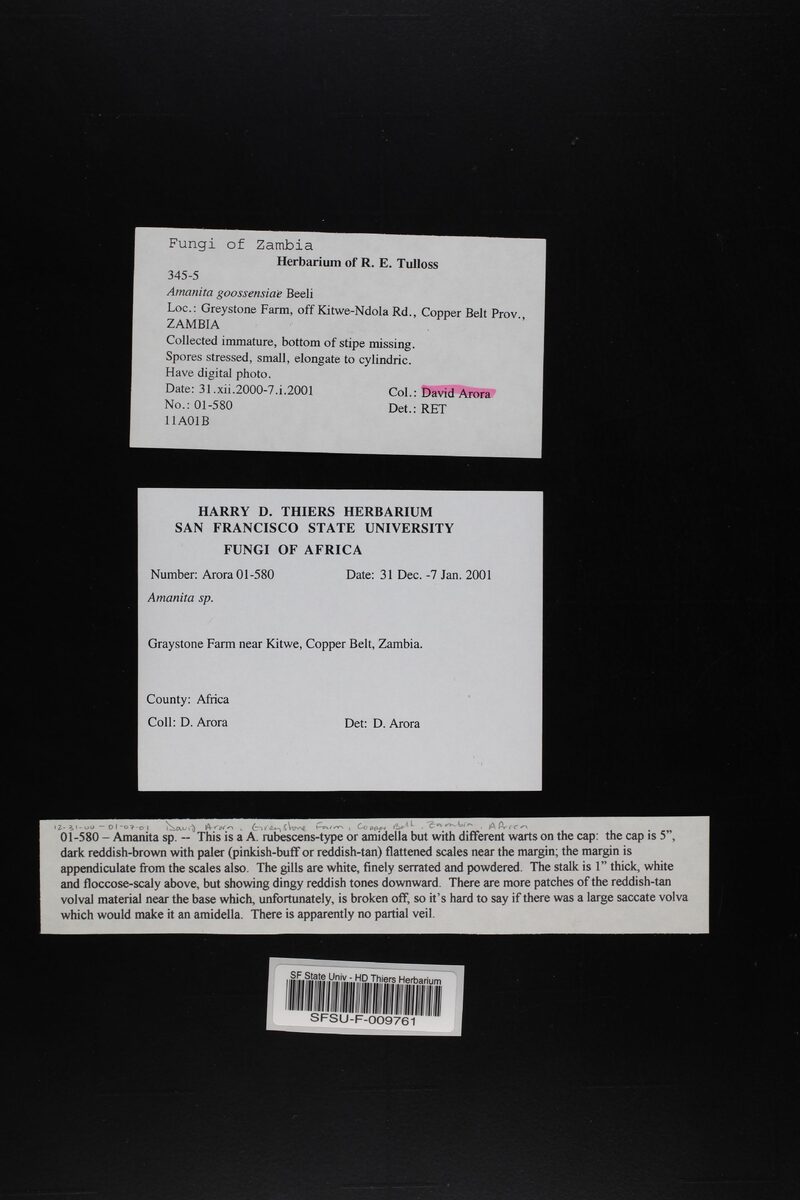
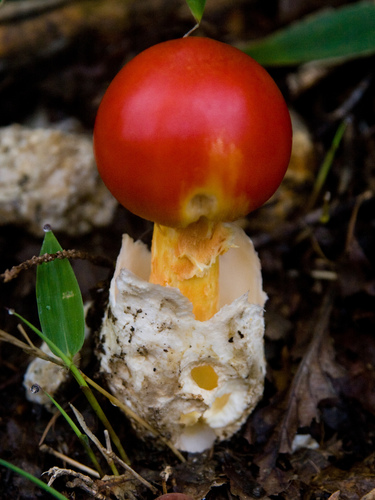
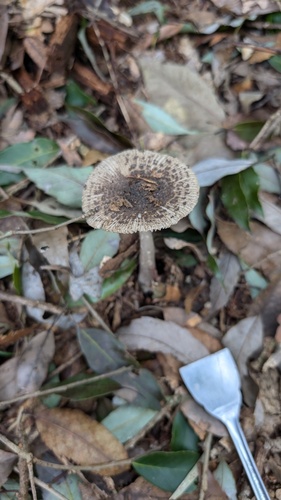
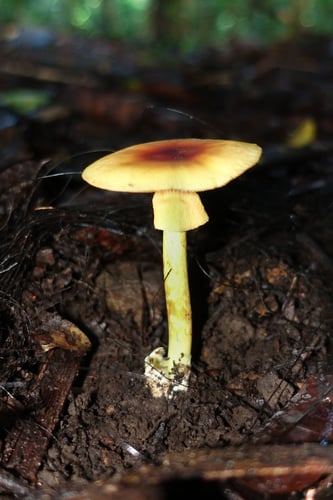
Amanita crocea
(Quel.) Singer
Saffron grisette
iNaturalist· cc-by-nc
(c) pacovillalonga, some rights reserved (CC BY-NC), uploaded by pacovillalonga
iNaturalist· cc-by-nc
(c) Nido Paras, some rights reserved (CC BY-NC), uploaded by Nido Paras
iNaturalist· cc-by-nc
(c) salvatore_bacciu_paola_mereu, some rights reserved (CC BY-NC), uploaded by salvatore_bacciu_paola_mereu
Summary
Source: WikipediaAmanita crocea, the saffron ringless amanita, is a species of Amanita widely distributed in Europe. It is edible but not recommended for consumption due to its similarity to poisonous species of the genus.
Description
A mushroom.
This description is brief — help expand it
Edible Uses
While edible, guides advise not to eat it as many similar-looking Amanitas are very poisonous.
Traditional Uses
CAUTION: It is poisonous unless cooked.
This uses section is brief — help expand it
Distribution
It is a temperate plant.
Where It Grows
Europe, Kosovo, Mexico, North America, Russia,
Other Information
It is sold in local markets.
References (4)
- Boa, E. R., 2004, Wild edible fungi and their importance to people. FAO Non Wood Forest Products Booklet 17
- Kaufmann, B. et al, 1999, The Great Encyclopedia of Mushrooms. Konemann. p 187
- Perez-Moreno, J. et al, 2008, Wild Mushroom Markets in Central Mexico and a Case Study at Ozumba. Economic Botany, 62(3), 2008, pp. 425–436
- Perez-Moreno, J., et al, 2009, Social and Biotechnological Studies of Wild Edible Mushrooms in Mexico. Acta Botanica Yunnanica Suppl. XV1: 55-61