Amanita ceciliae
(Berk and Broome) Bas.
Scaly grisette
iNaturalist· cc-by-nc
(c) ralucavoda, some rights reserved (CC BY-NC), uploaded by ralucavoda
iNaturalist· cc-by-nc
(c) peter_csonka, some rights reserved (CC BY-NC)
Summary
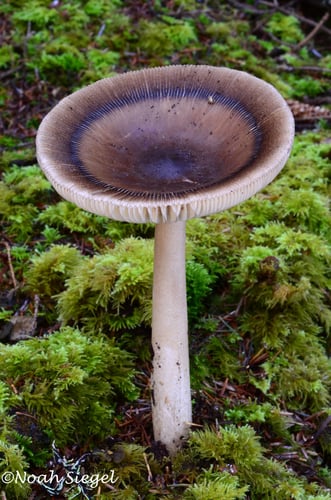
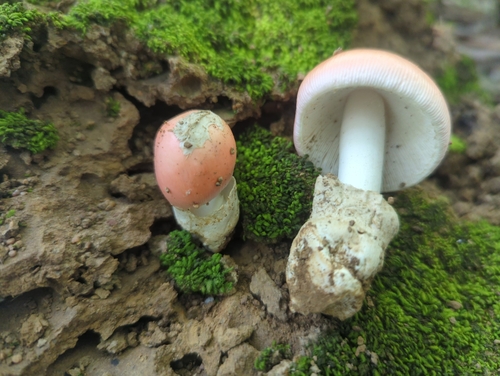
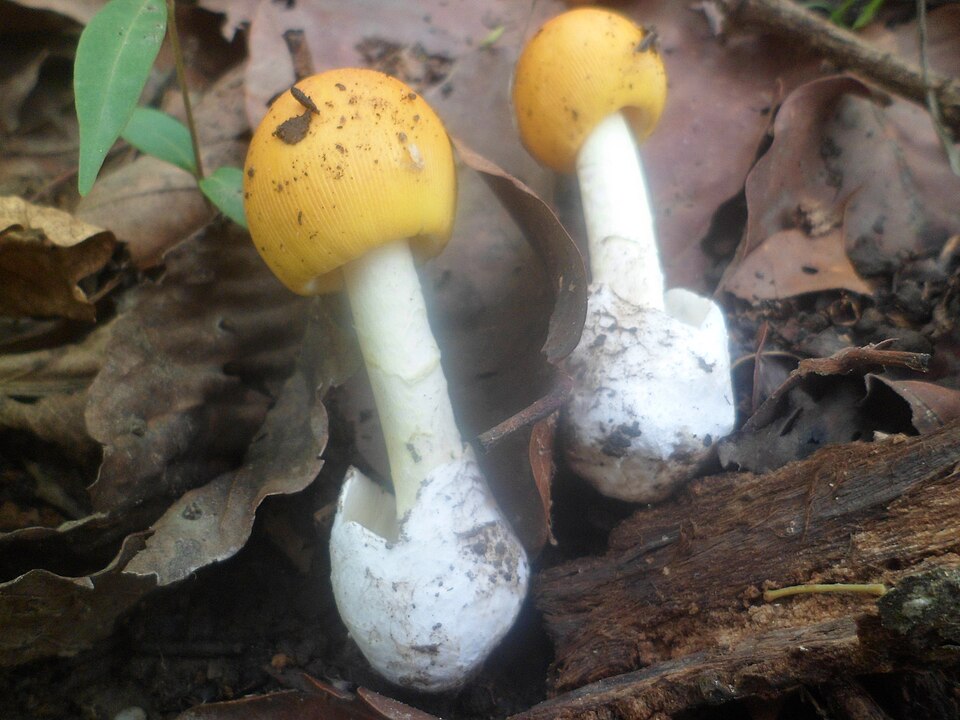
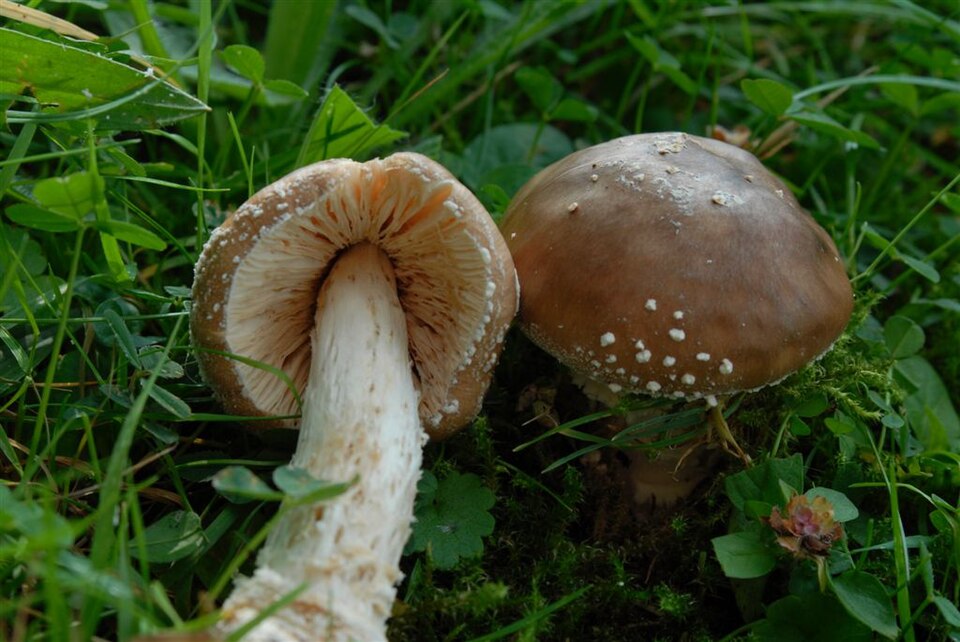
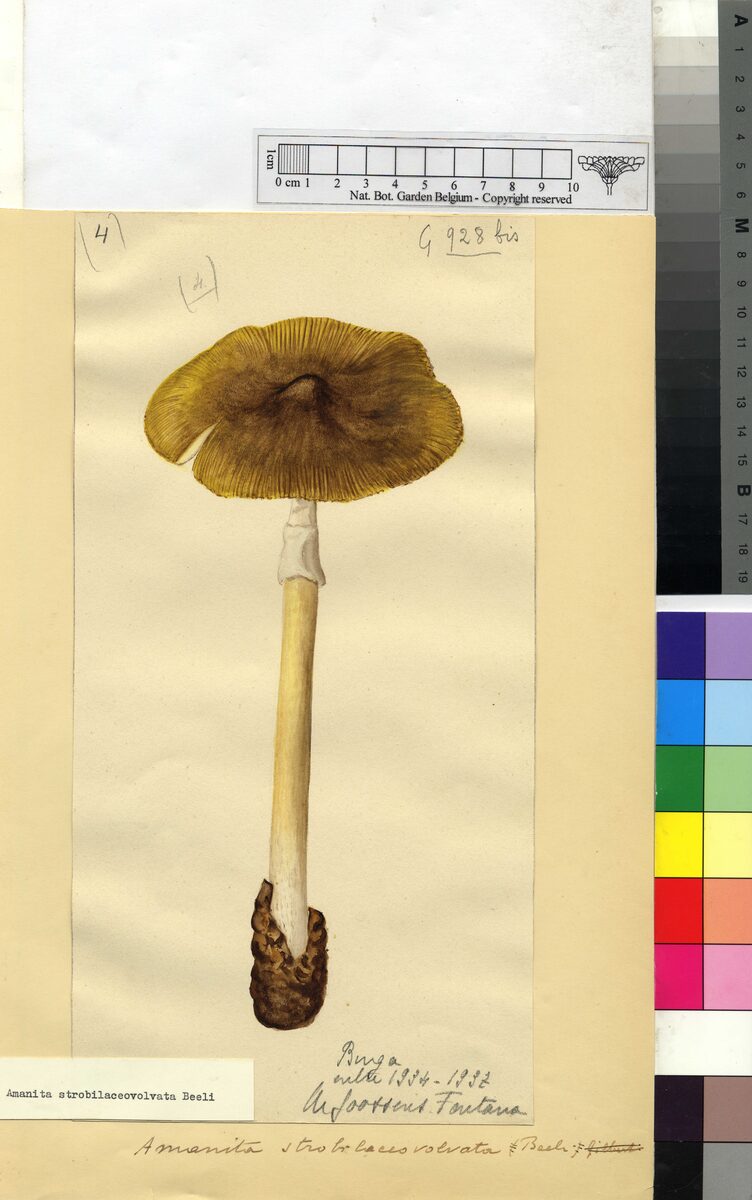
Source: WikipediaAmanita ceciliae, commonly called snakeskin grisette, strangulated amanita, and the Cecilia's ringless amanita, is a basidiomycete fungus in the genus Amanita. First described in 1854 by Miles Joseph Berkeley and Christopher Edmund Broome, it was given its current name by Cornelis Bas in 1984. It is characterized by bearing a large fruit body with a brown cap 5–12 cm (2.0–4.7 in) across. The cap has charcoal-grey patches, which are easily removable. The stipe is 7–18 cm (2.8–7.1 in) long, white in colour, and there is no ring on it. It is slightly tapered to the top and has irregular cottony bands girdling the base. The universal veil is grey. Spores are white, spherical in shape, non-amyloid, and measure 10.2–11.7 micrometres. The mushrooms are considered edible, but field guides typically advise caution in selecting them for consumption, due to risks of confusion with similar toxic species. A. ceciliae is found in woods throughout Europe and North America, where it fruits during summer and autumn.
Description
A mushroom in the Amanitaceae family found in temperate regions.
This description is brief — help expand it
Edible Uses
The mushroom can be eaten when cooked.
Traditional Uses
CAUTION: It can be eaten by some people and cause upsets in other people. It should be cooked.
This uses section is brief — help expand it
Known Hazards
This species can cause digestive upsets in some people; it should always be cooked before consumption.
Distribution
It is a temperate plant.
Where It Grows
Europe, Mexico, North America, Turkey, Türkiye,
References (3)
- Akata, I., et al, 2012, Chemical Composition and Antioxidant Activities of 16 Wild Edible Mushroom Species Grown in Anatolia. International Journal of Pharmacology 8(2): 134-138
- Boa, E. R., 2004, Wild edible fungi and their importance to people. FAO Non Wood Forest Products Booklet 17
- Kaufmann, B. et al, 1999, The Great Encyclopedia of Mushrooms. Konemann. p 187