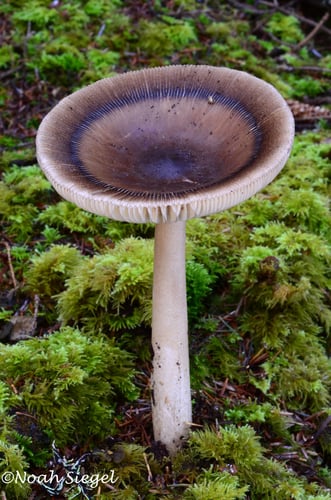
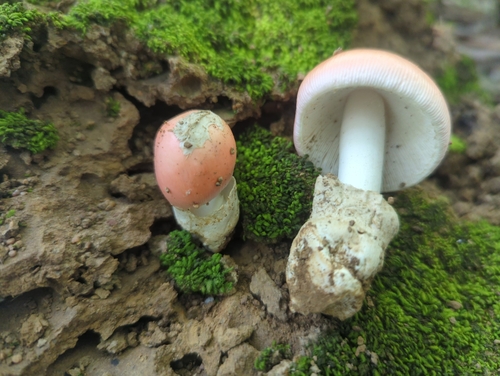
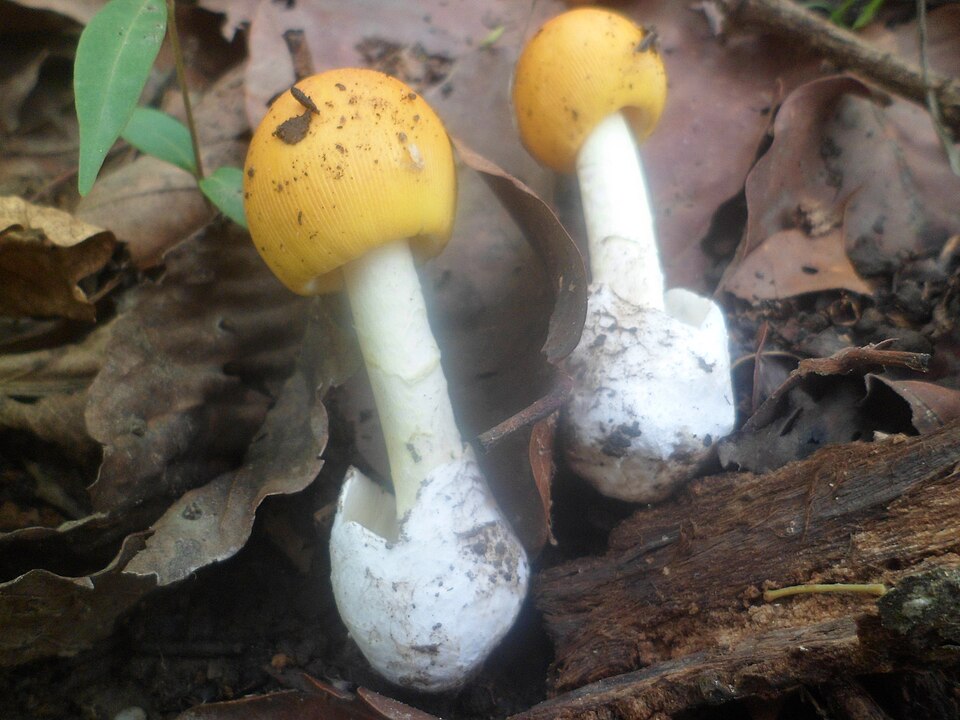
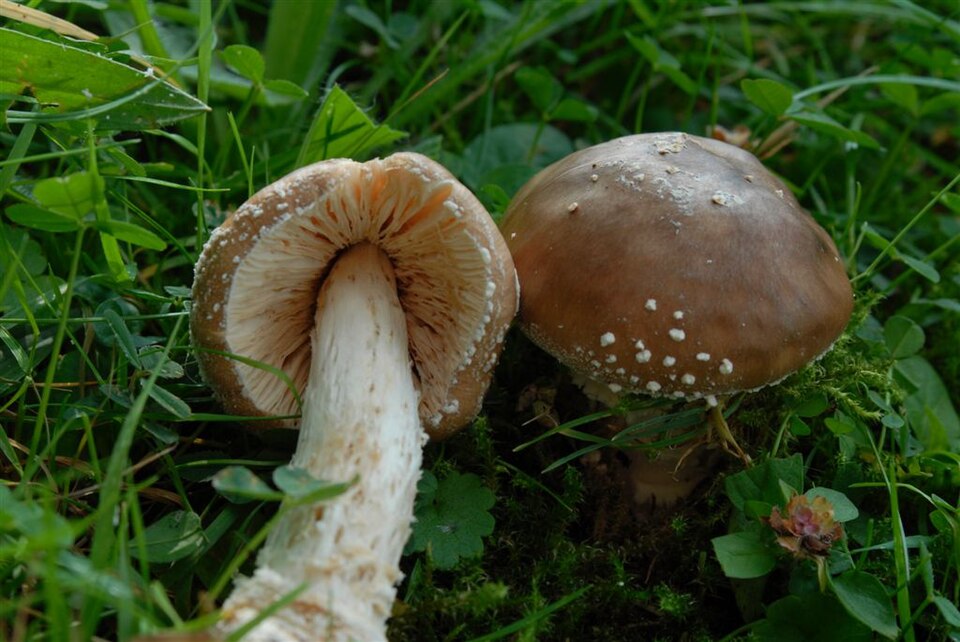
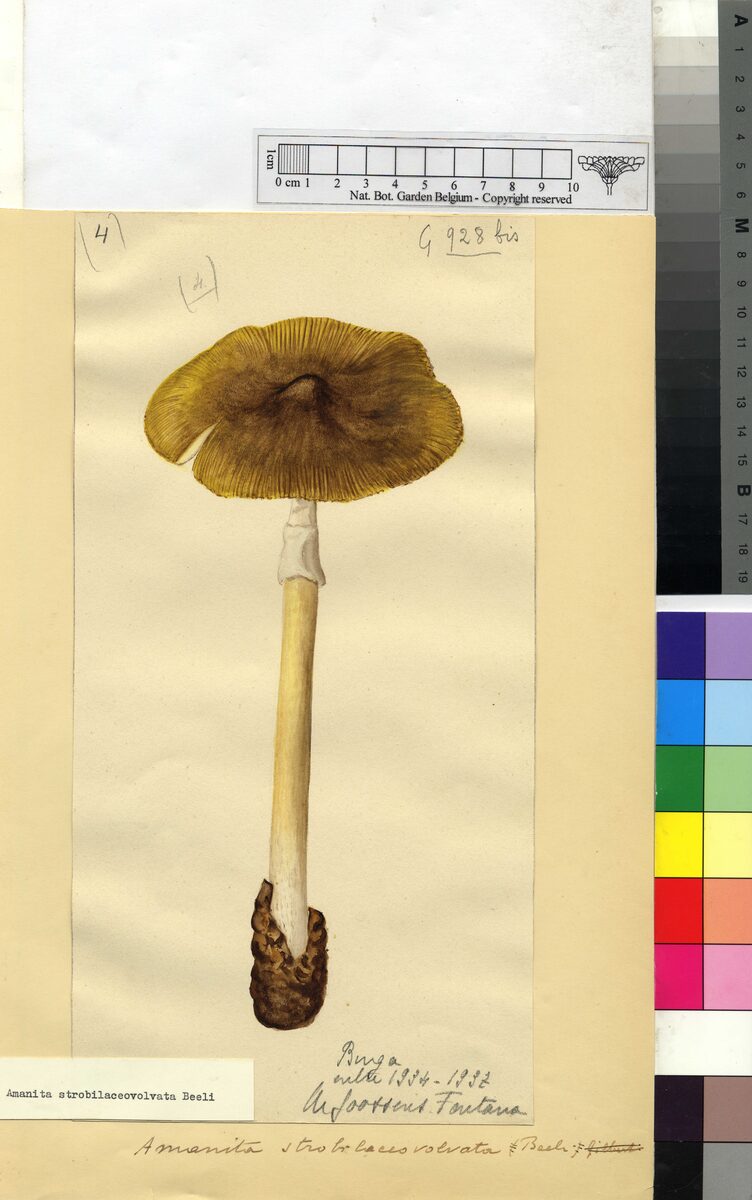
Amanita fulva
(Schaeff.) ex Pers.
Tawny grisette
iNaturalist· cc-by-nc
(c) clicque, some rights reserved (CC BY-NC), uploaded by clicque
iNaturalist· cc0
no rights reserved
iNaturalist· cc-by-nc
(c) Paulo Acevedo, some rights reserved (CC BY-NC), uploaded by Paulo Acevedo
Summary
Source: WikipediaAmanita fulva, commonly called the tawny grisette or the orange-brown ringless amanita, is a basidiomycete mushroom of the genus Amanita. It is found frequently in deciduous and coniferous forests of Europe and possibly North America.
Description
A temperate to tropical mushroom in the Amanitaceae family, sold in local markets.
This description is brief — help expand it
Edible Uses
The mushroom can be eaten when cooked.
Traditional Uses
CAUTION. It is poisonous unless cooked.
This uses section is brief — help expand it
Known Hazards
Poisonous unless cooked.
Distribution
It is a temperate and tropical plant.
Where It Grows
Africa, Asia, China, East Africa, Himalayas, Malawi, Mexico, Nepal, North America,
Other Information
It is sold in local markets.
Also Known As
Chihe egao, Tahar shyamo
References (10)
- Boa, E. R., 2004, Wild edible fungi and their importance to people. FAO Non Wood Forest Products Booklet 17
- Christensen, M., et al, 2008, Collection and Use of Wild Edible Fungi in Nepal. Economic Botany, 62(1), 2008, pp. 12–23
- Dongol, et al, 1995, Edible Mushrooms in Nepal
- Farfan B., et al, 2007, Mazahua Ethnobotany and Subsistence in the Monarch Butterfly Biosphere Reserve, Mexico. Economic Botany 61(2) pp 173-191
- Kaufmann, B. et al, 1999, The Great Encyclopedia of Mushrooms. Konemann. p 187
Show all 10 references Hide references
- Montoya, A., et al, 2014, Availability of Wild Edible Fungi in La Malinche National park, Mexico. Journal of Mycology. Article ID 241896, 15 pages
- Pandey, N., et al, 2006, Use of Wild Mushrooms Among the Tamangs of Nepal. Nepal Journal of Science and Technology 7 (2006) 97-104
- Perez-Moreno, J. et al, 2008, Wild Mushroom Markets in Central Mexico and a Case Study at Ozumba. Economic Botany, 62(3), 2008, pp. 425–436
- Perez-Moreno, J., et al, 2009, Social and Biotechnological Studies of Wild Edible Mushrooms in Mexico. Acta Botanica Yunnanica Suppl. XV1: 55-61
- Zamora-Martinez, M. et al, 1995, Natural production of wild edible mushrooms in the southwestern rural territory of Mexico City, Mexico. Forest Ecology and Management 72:13-20