Psidium rufum
DC.
Rusty guava
iNaturalist· cc-by-nc
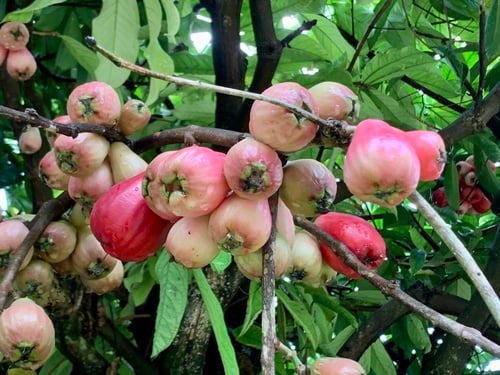
(c) Mattheus Mota, some rights reserved (CC BY-NC), uploaded by Mattheus Mota
iNaturalist· cc-by-nc
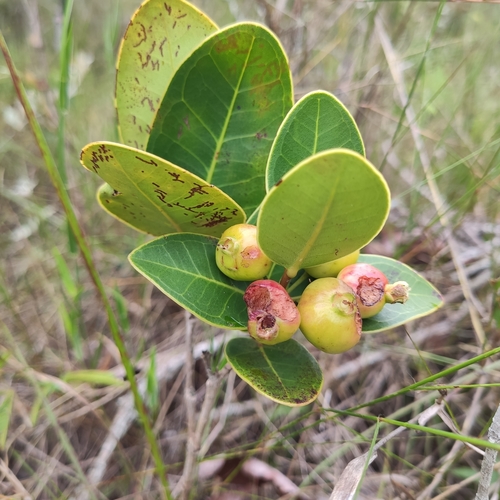
(c) rafazenni, some rights reserved (CC BY-NC)
iNaturalist· cc-by-nc
(c) Mattheus Mota, some rights reserved (CC BY-NC), uploaded by Mattheus Mota
Summary
Source: WikipediaPsidium rufum is commonly known as the purple guava. It is endemic to Brazil and bears an edible fruit. Psidium rufum var. widgrenianum is listed on the IUCN Red List vulnerable species (Plantae).
Description
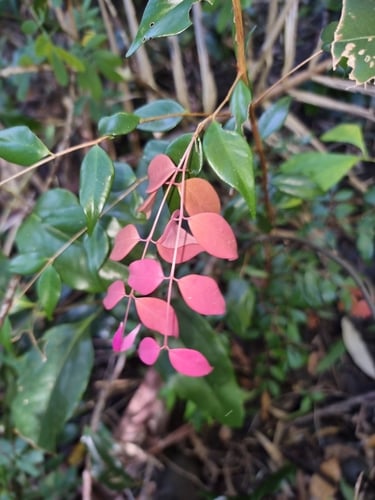
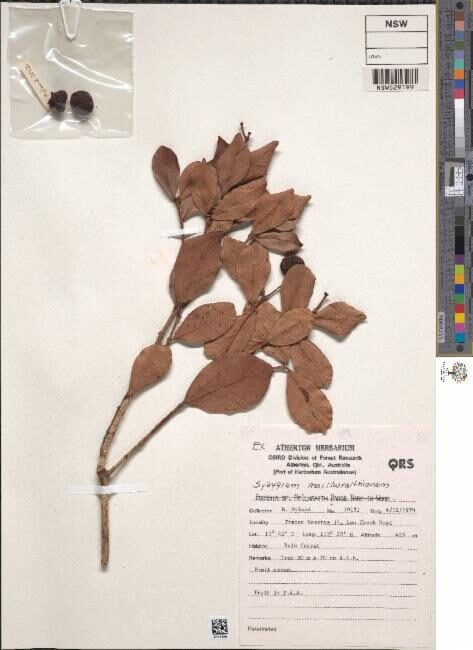
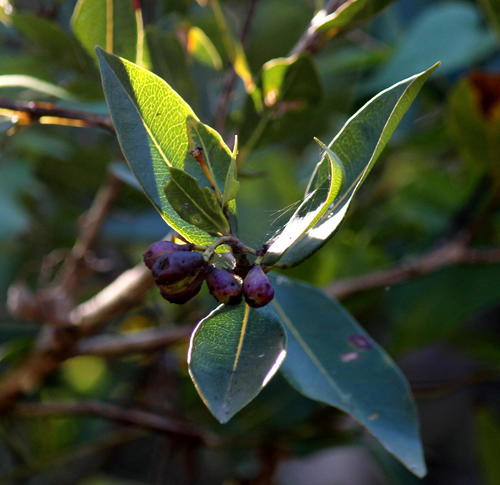
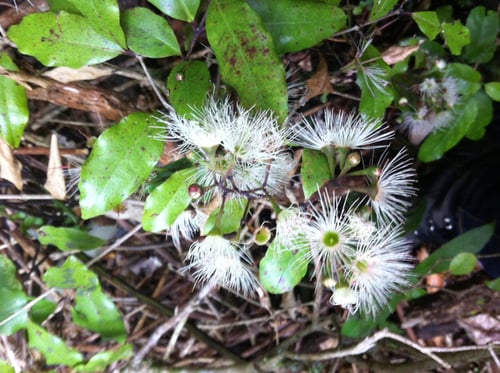
A tree. It grows 4-5 m tall. The crown is round and dense. The young branches have reddish-brown hairs. The bark is thin and smooth. The trunk is twisted and 15-30 cm across. The bark is thin and fairly smooth. It peels off in irregular plates. The leaves are simple and opposite. They are rigid and papery and have reddish-brown hairs underneath. They are 4-7 cm long and 2-3 cm wide and wavy along the edge. The flowers occur singly on a stalk 10-15 mm long. The flowers are white. The fruit is a round fleshy fruit with 3-8 seeds inside.
Edible Uses
Fruit - raw. A succulent pulp with an acidic flavour. It can have a laxative effect. The brown, globose fruit is around 3cm in diameter.
Traditional Uses
The fruit are eaten fresh.
This uses section is brief — help expand it
Medicinal Uses
The fruit is laxative.
Distribution
A tropical plant. It grows in semi-deciduous forest in Brazil. It has been recorded at 1,270 m above sea level.
Where It Grows
Brazil*, South America,
Cultivation
Plants are grown from seed. The ripe fruit are harvested and allowed to soften in a plastic bag before the seeds are removed under running water. Fresh seed are planted. They germinate in 3-4 weeks.
Propagation
Seed - best sown as soon as it is ripe in a sunny position in a nursery seedbed. A moderate germination rate can be expected, with the seed sprouting within 21 - 28 days.
Other Uses
The bark has a high tannin content. The wood is medium-textured, straight-grained, heavy, hard, with moderate mechanical properties and not very durable. It can be used for light cabinet making, boxes, tool handles, agricultural utensils etc. The wood is used for fuel and to make charcoal.
Other Information
The fruit are not particularly popular.
Synonyms
Also Known As
Araca-cagao, Araca-perinha, Araca-roxo, Guabiroba-do-mato
References (7)
- Grandtner, M. M. & Chevrette, J., 2013, Dictionary of Trees, Volume 2: South America: Nomenclature, Taxonomy and Ecology. Academic Press p 546
- Hedrick, U.P., 1919, (Ed.), Sturtevant's edible plants of the world. p 532
- Lorenzi, H., 2002, Brazilian Trees. A Guide to the Identification and Cultivation of Brazilian Native Trees. Vol. 02 Nova Odessa, SP, Instituto Plantarum p 281
- Lorenzi, H., Bacher, L., Lacerda, M. & Sartori, S., 2006, Brazilian Fruits & Cultivated Exotics. Sao Paulo, Instituto Plantarum de Estuados da Flora Ltda. p 248
- NYBG herbarium "edible"
Show all 7 references Hide references
- Reis, S. V. and Lipp, F. L., 1982, New Plant Sources for Drugs and Foods from the New York Botanical Garden herbarium. Harvard. p 207
- www.colecionandofrutas.org