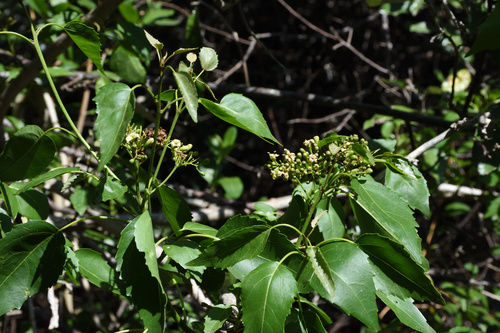
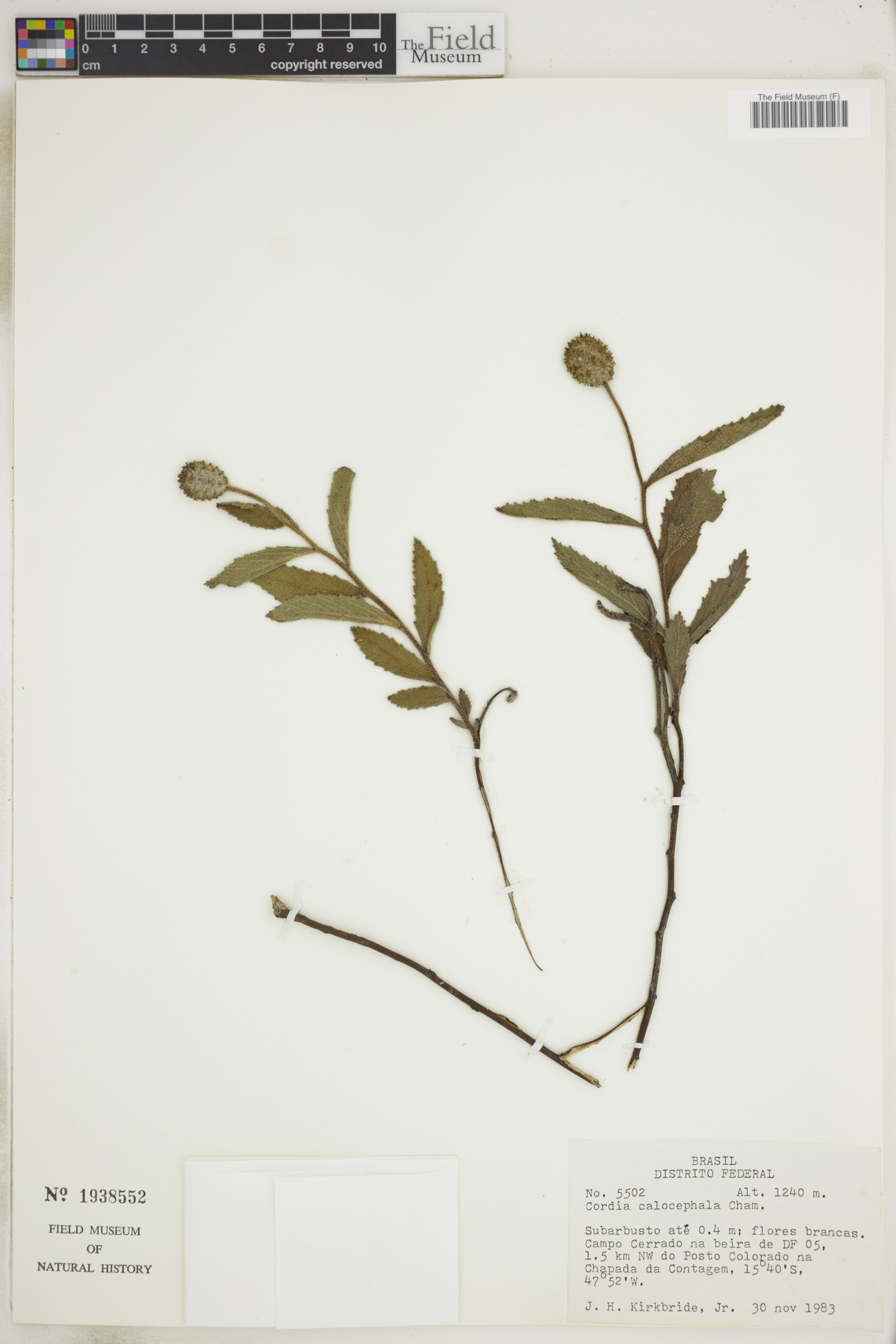
Ehretia tinifolia
Linn.
Bastard cherry
iNaturalist· cc-by-nc
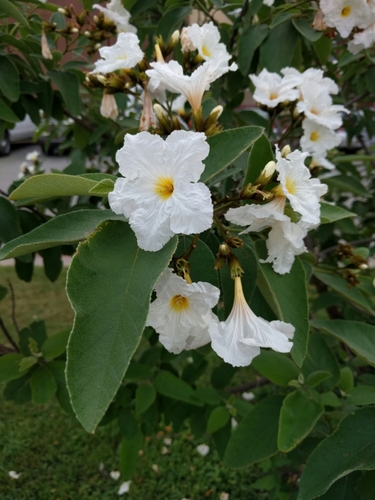
(c) elizatorres, some rights reserved (CC BY-NC), uploaded by elizatorres
iNaturalist· cc-by-nc
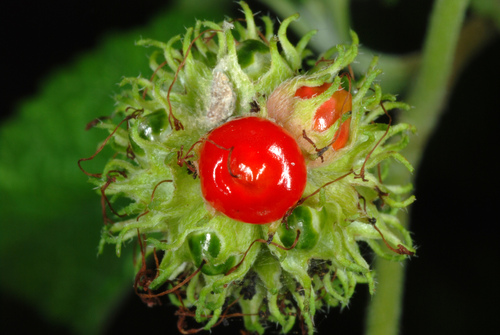
(c) amairany-ang, some rights reserved (CC BY-NC), uploaded by amairany-ang
iNaturalist· cc-by-nc
(c) Luis Carlos Salas Marchén, some rights reserved (CC BY-NC), uploaded by Luis Carlos Salas Marchén
Summary
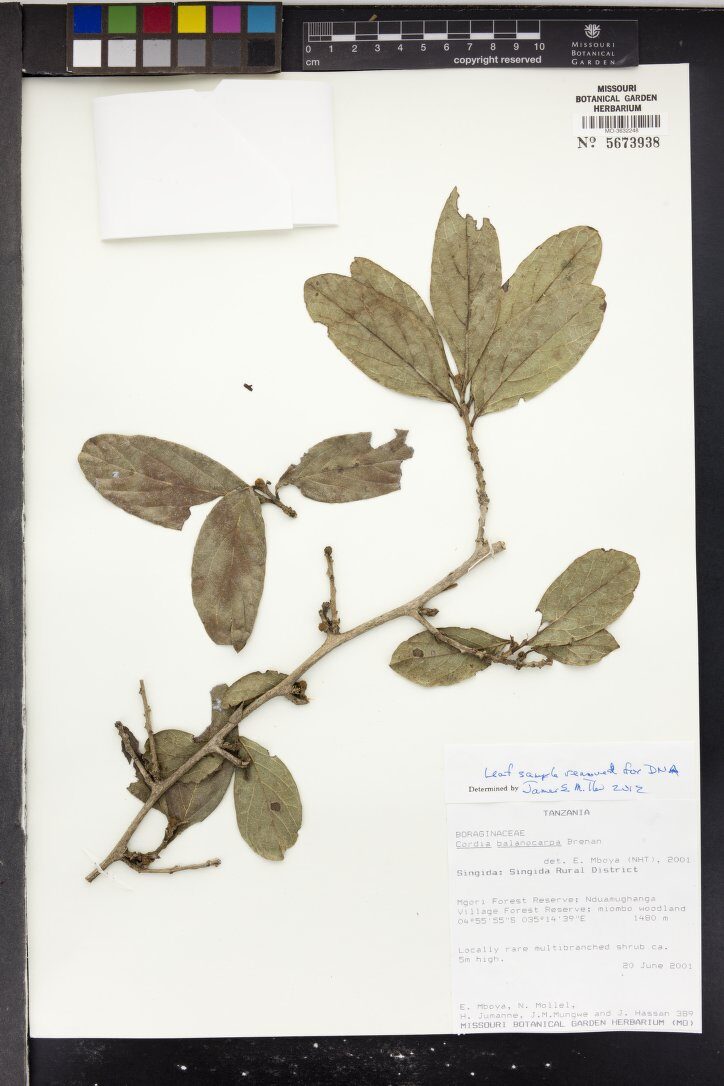
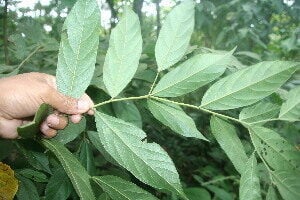
Source: WikipediaEhretia tinifolia is a woody, perennial tree, usually 0.5 to 3 m in height, branched from the base, from reddish-brown to red-purple bark, exfoliating (the outer bark opens and peels off like a sheet of paper); The leaves are coriaceous, elliptic, from 1 to 3.3 cm long. The flower is urceolate, white to Mexican pink and grouped in clusters of five to eight flowers. The plant can reproduce vegetatively from branches that are buried, but this type of reproduction is rare.
Description
A small tree. The trunk is 20 cm across. The leaves have short stalks. The leaves are oval. The flowers are 4 mm long and white in large groups. The fruit are red or purple and 5-6 mm across.
Edible Uses
The fruit is eaten.
Medicinal Uses
For their therapeutic action they use their fruits and leaves; These contain tannin, gallic acid resin, and a glucoside, arbutin, which has diuretic (facilitates urine) properties. It also manages to remove the inflammation in the cold of the bladder and the bronchi. It is Hydroquinone (quinol), a breakdown product of arbutin that suppresses the fermentation of urine and into the bladder. The fruits are more used than the leaves. In acute bronchitis, it is possible to reduce the expectoration and improve the result are added to the expectoration of penicillium, eucalyptus leaves and borage. The chewed leaves are applied to sores and headaches, for stomach pain and cramps, infused are used to treat severe colds and diarrhea. Commonly used for its diuretic action, for kidney stones, inflammation or infection in the urinary tract, prostatitis and edema. Its therapeutic uses are similar to the European Grape-ursi. Sweet and sour fruits are also used to make alcoholic beverages, liqueurs, syrups and jams as well as to flavor soups. A brownish-yellow dye is obtained from the leaves and does not require a mordant to attach to the fabric. Precautions should be made to confuse this with the piracanto or manzanita that is used as an ornamental plant in public and private gardens, the green and mature fruits of this plant become toxic.
Distribution
A tropical plant.
Where It Grows
Belize, Central America, Cuba, Dominican Republic, Guatemala, Haiti, Honduras, Jamaica, Mexico, North America, Panama, USA, West Indies,
Synonyms
Also Known As
Beec, Frutillo, Manzanito, Nandimbo, Pinguica, Roble prieto
References (11)
- Ekman Herbarium records Haiti
- Fouqué, A. 1972. Espèces fruitières d'Amérique tropicale. Institut français de recherches fruitierès outre-mer (ifac)
- Hedrick, U.P., 1919, (Ed.), Sturtevant's edible plants of the world. p 285
- Kermath, B. M., et al, 2014, Food Plants in the Americas: A survey of the domesticated, cultivated and wild plants used for Human food in North, Central and South America and the Caribbean. On line draft. p 330
- Martin, F. W., et al, 1987, Perennial Edible Fruits of the Tropics. USDA Handbook 642 p 93
Show all 11 references Hide references
- Piedra-Malagón, E. M. et al, 2022, Edible native plants of the Gulf of Mexico Province. Biodiversity Data Journal 10: e80565 p 14
- Plants of Haiti Smithsonian Institute http://botany.si.edu/antilles/West Indies
- Segura, S. et al, 2018, The edible fruit species in Mexico. Genet Resour Crop Evol (2018) 65:1767–1793
- Standley, P. C. & Record, S. J., 1936, The Forests and Flora of British Honduras. (Belize). p 337
- Syst. Ed. 10:936. 1759
- World Checklist of Useful Plant Species 2020. Royal Botanic Gardens, Kew