Echinocereus reichenbachii
(Engelm. & A. Gray)
Black lace cactus, Classen's cactus, Fitch's hedgehog cactus, Lace cactus, Merry widow cactus, Purple candle cactus
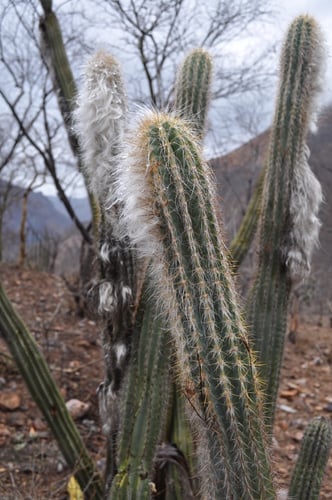
iNaturalist· cc-by-nc
(c) Victor W Fazio III, some rights reserved (CC BY-NC), uploaded by Victor W Fazio III
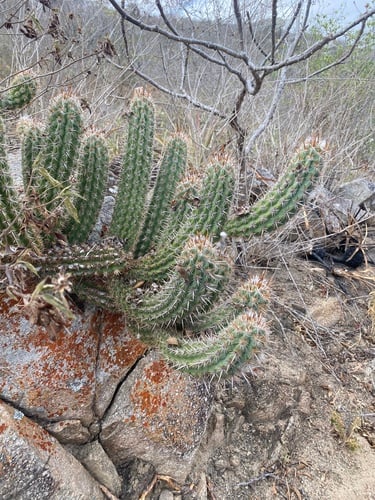
iNaturalist· cc-by-nc
(c) Bill Dodd, some rights reserved (CC BY-NC)
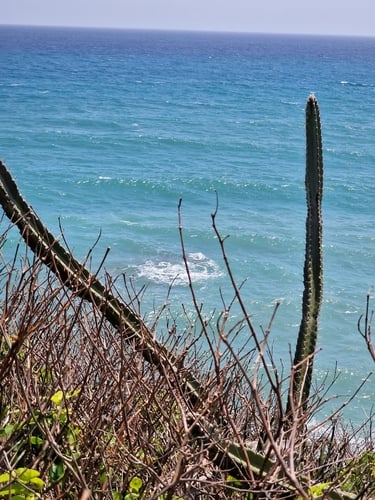
iNaturalist· cc-by-nc
(c) Carlos G Velazco-Macias, some rights reserved (CC BY-NC), uploaded by Carlos G Velazco-Macias
Summary
Source: WikipediaEchinocereus reichenbachii (commonly known as lace or hedgehog cactus) is a perennial plant and shrub in the cactus family. The species is native to the Chihuahuan Desert and parts of northern Mexico and the southern United States, where they grow at elevations up to 1,500 meters (4,900 ft). This cactus earned the Royal Horticultural Society's Award of Garden Merit.
Description
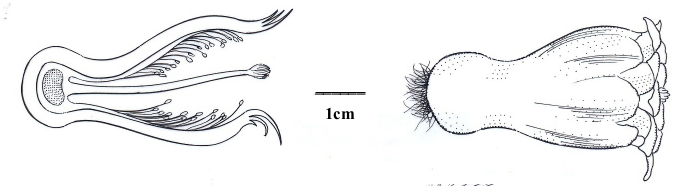
A cactus. The plants can occur singly or with 12 or more stems. They are covered with spines. The stems can be cylinder shaped or fattened. They taper towards the tips. They are 40 cm long and 10 cm wide. There can be up to 7 central spines and 12-36 radial spines. The flowers are near the tips of the stems. They are funnel shaped and pink or red. The flowers are 5-12 cm long and 12 cm across. The fruit are 2-3 cm long. The fruit are purple.
Edible Uses
The fleshy part of the stem is eaten as a vegetable after removing the spines. The fruit can also be eaten.
Traditional Uses
The fleshy part of the stem is eaten as a vegetable after removing the spines.
This uses section is brief — help expand it
Distribution
It grows in Texas in the centre and panhandle.
Where It Grows
Mexico, North America, USA,
Notes
There are 60 Echinocereus species. They mostly grow in Mexico and the USA.
Synonyms
References (4)
- Anderson, E.F., 2001, The Cactus Family, Timber Press. p 246
- Cacteen-Verzeichniss 20. 1859 "reichenbachianus"
- Hedrick, U.P., 1919, (Ed.), Sturtevant's edible plants of the world. p 180 (As Echinocereus caespitosus)
- Loughmiller, C & L., 1985, Texas Wildflowers. A Field Guide. University of Texas, Austin. p 25