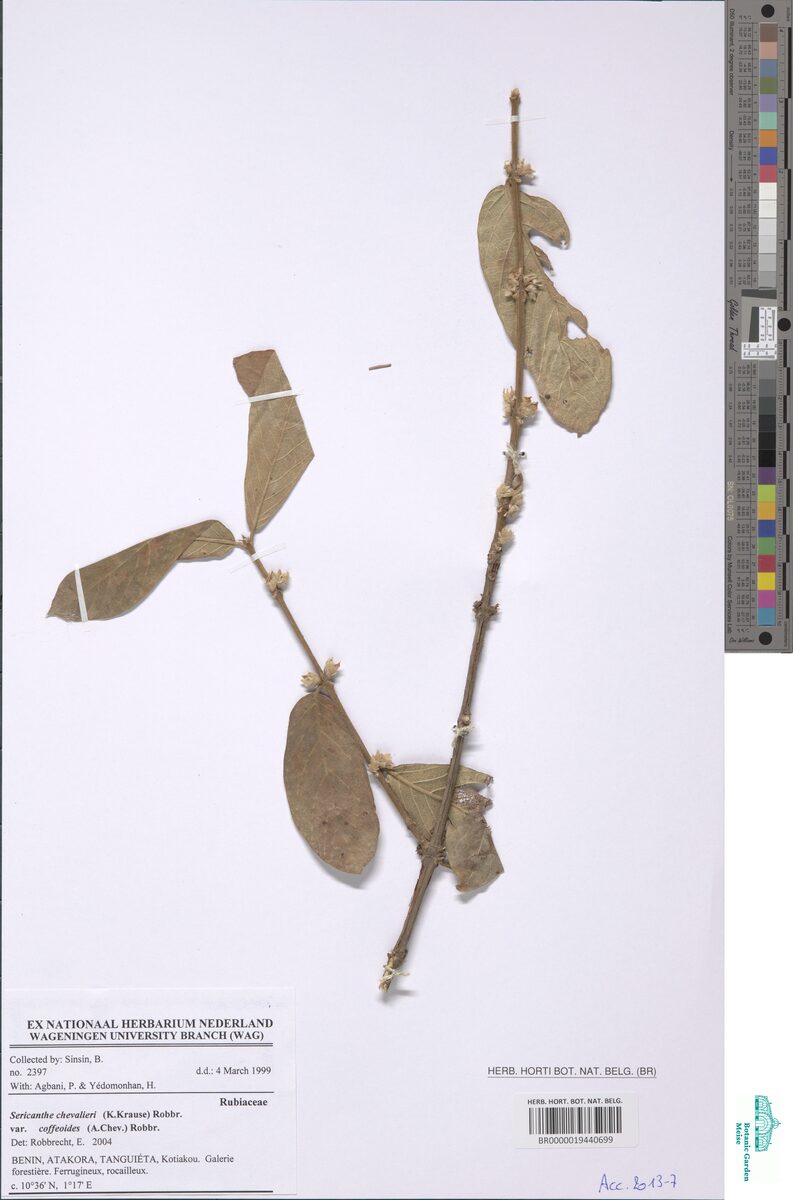
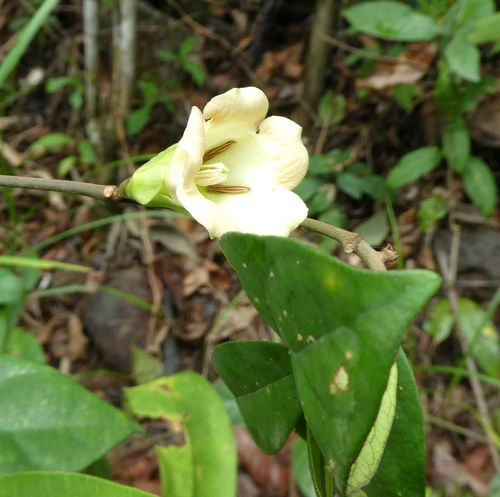
Ixora pavetta
Andrews
Torchwood, Torch tree
iNaturalist· cc-by-nc
(c) Shiwalee Samant, some rights reserved (CC BY-NC), uploaded by Shiwalee Samant
iNaturalist· cc-by-nc
(c) Shiwalee Samant, some rights reserved (CC BY-NC), uploaded by Shiwalee Samant
iNaturalist· cc-by-nc
(c) Shiwalee Samant, some rights reserved (CC BY-NC), uploaded by Shiwalee Samant
Summary
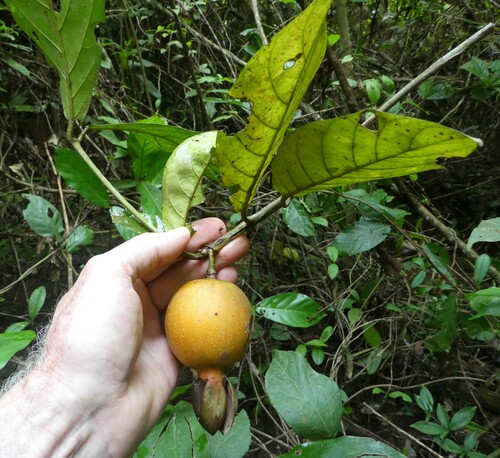
Source: WikipediaIxora pavetta, the torch tree, is a plant in the family Rubiaceae. This species is found in South Asia. The species is commonly seen in Ballari district of Karnataka, India. People use the branches of this tree for making walls and paste with mud for their thatched huts in villages, but now this practice has become obsolete owing to modern housing materials. Summer is the fruiting season and the fruits are globose, 2-seeded, become black when ripened. Indian sloth bears eat the fruits and the seeds are dispersed through its scat.
Description
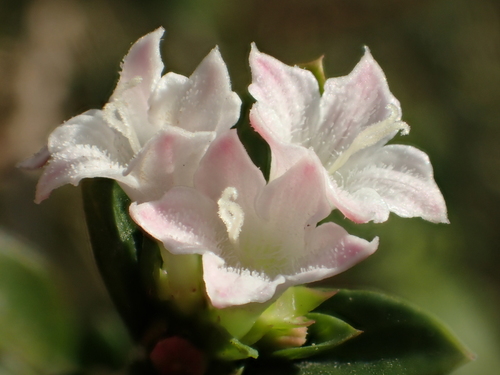
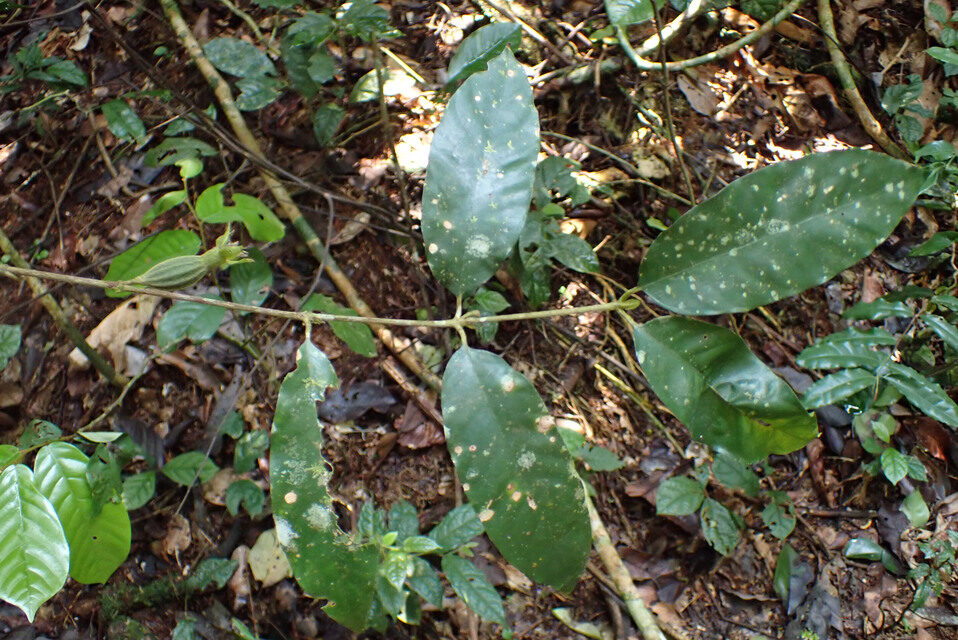
A shrubby small evergreen tree. It grows 7 m tall. It has many branches. The leaves are large and glossy. They are simple and dark green. They are 13 cm long and oblong. They have short stalks. They are leathery. The flowers are white and showy. They are held in compact heads. They have a scent. The fruit is a berry 5-10 mm across. It is shiny black and has 2 lobes. The ripe fruit are edible.
Edible Uses
The ripe black berries are eaten fresh.
Traditional Uses
The ripe fruit are eaten.
This uses section is brief — help expand it
Distribution
A tropical plant. It is native to tropical Asia. It grows in dry woodland. It can tolerate drought. It can grow in bright shade to full sun. It does best in fertile, slightly acid soil. It suits hardiness zones 10-12.
Where It Grows
Africa, Asia, Bangladesh, East Africa, Himalayas, India*, Mozambique, Myanmar, Nepal, Pakistan, SE Asia, Sri Lanka, West Africa,
Cultivation
It can be grown from seed or greenwood cuttings.
Production
It is slow growing.
Notes
There are about 400 Ixora species. They grow in tropical countries. There are about 50 species in tropical America.
Synonyms
Also Known As
Gandhal, Ghanda irangan, Gorabikattige, Iswara, Kansuragi, Kilakrya, Korivi, Kota gandhal, Kotagandhal, Likandi, Mekadorrivi, Nevali, Nevari, Nivari, Raikura, Rangan, Shulundu-kora, Sweet rangan, Telokrya
References (15)
- Ambasta, S.P. (Ed.), 2000, The Useful Plants of India. CSIR India. p 296 (As Ixora arborea)
- A. Rees, Cycl. 19: Ixora no. 5. 1811 (As Ixora arborea)
- Barwick, M., 2004, Tropical and Subtropical Trees. A Worldwide Encyclopedic Guide. Thames and Hudson p 228
- Bot. Repos. 2:t 78. 1799
- Burkill, H. M., 1985, The useful plants of west tropical Africa, Vol. 4. Kew.
Show all 15 references Hide references
- Dobriyal, M. J. R. & Dobriyal, R., 2014, Non Wood Forest Produce an Option for Ethnic Food and Nutritional Security in India. Int. J. of Usuf. Mngt. 15(1):17-37 (As Ixora arborea)
- Flora of Pakistan. www.eFloras.org
- Krishen P., 2006, Trees of Delhi, A Field Guide. DK Books. p 147
- Llamas, K.A., 2003, Tropical Flowering Plants. Timber Press. p 328
- Pasha, M. K. & Uddin, S. B., 2019, Minor Edible Fruits of Bangladesh. Bangladesh J. Plant Taxon. 26(2): 299–313
- Reddy, K. N. et al, 2007, Traditional knowledge on wild food plants in Andhra Pradesh. Indian Journal of Traditional Knowledge. Vol. 6(1): 223-229 (As Ixora arborea)
- Schatz, G.E., 2001, Generic Tree Flora of Madagascar. Royal Botanical Gardens, Kew and Missouri Botanical Garden. p 332 (Genus)
- Singh, H.B., Arora R.K.,1978, Wild edible Plants of India. Indian Council of Agricultural Research, New Delhi. p 65 (As Ixora arborea)
- Swaminathan, M.S., and Kochnar, S.L., 2007, An Atlas of Major Flowering Trees in India. Macmillan. p 171 (As Ixora arborea)
- World Checklist of Useful Plant Species 2020. Royal Botanic Gardens, Kew