Pteleocarpa lamponga
(Miq.) Bakh. ex K. Heyne
iNaturalist· cc-by-nc
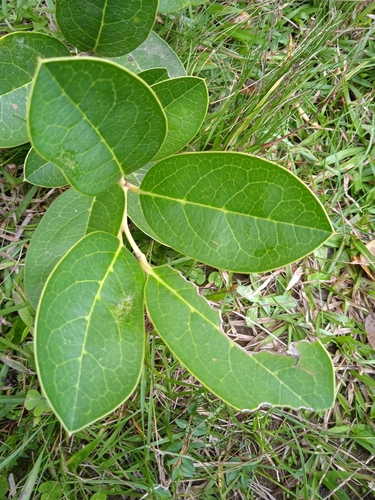
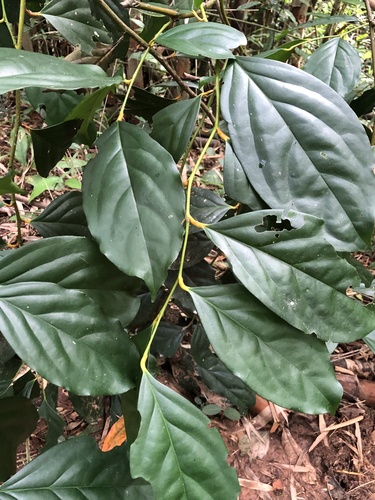
(c) SunGW, some rights reserved (CC BY-NC), uploaded by SunGW
iNaturalist· cc-by-nc
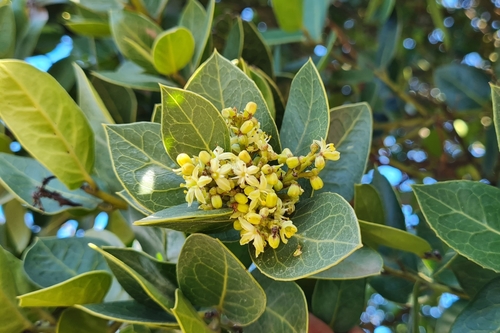
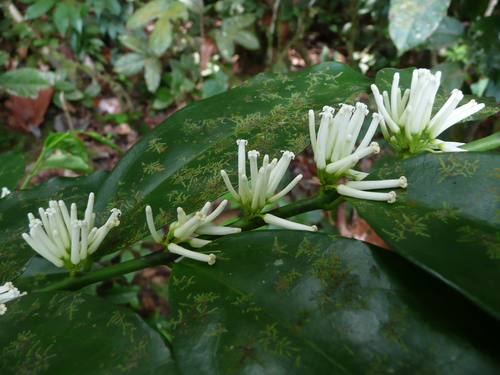
(c) Rafidah Abdul Rahman, some rights reserved (CC BY-NC), uploaded by Rafidah Abdul Rahman
iNaturalist· cc-by-nc
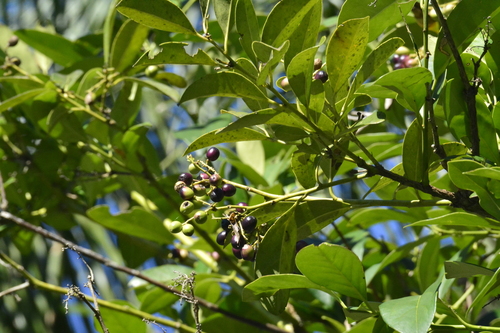
(c) Klowitz Tsai, some rights reserved (CC BY-NC), uploaded by Klowitz Tsai
Description
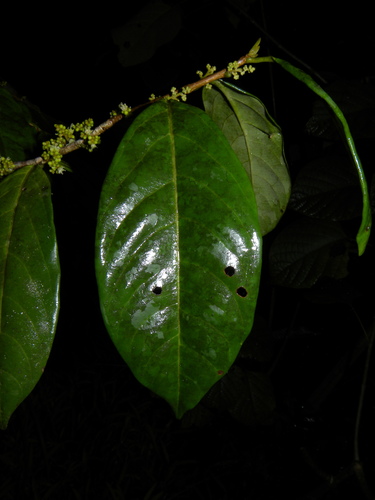
A medium sized tree. It can grow 37 m tall. The crown is bushy and open. The trunk is straight and cylinder shaped. It is 60 cm across. The bark is smooth or has shallow cracks. The leaves are simple and alternate. They are broadly oval and 3-10 cm long by 1-4 cm wide. The flowers are in branched panicles at the ends of the branches. The flowers are bright yellow. The fruit are flat, winged and dry with one seed. The fruit are 5 cm across.
Edible Uses
The ripe seeds are boiled and eaten as a flavouring.
Traditional Uses
The ripe seeds are boiled and eaten as a flavouring.
This uses section is brief — help expand it
Distribution
A tropical plant. It grows in well-drained soil and in lowland forest. It grows up to 1,500 m above sea level.
Where It Grows
Asia, Indochina, Indonesia, Malaysia, SE Asia, Thailand,
Cultivation
Plants are grown from seeds. They germinate in 3-7 weeks.
Propagation
The seeds have about 55% germination rate in 3 - 7 weeks, whereas 80% of sown fruits germinated in 4 - 12 weeks. Fruits should be covered with about 2 cm of soil.
Other Uses
The wood of P. lamponga has been used for house building and interior construction.
Notes
The name is ambiguous. Also reported as in the families Boraginaceae, Gelsemiaceae and Sapindaceae.
Synonyms
Also Known As
Mentugal, Tubulo
References (3)
- Fern, K., 2012, Tropical Species Database http://theferns.info/tropical/
- Kebler, P. J. A., & Kidiyasa, 1994, Trees of the Balikpapan-Samarinda area of East Kalimantan, Indonesia. The Tropenbos Foundation, Wageningen, The Netherlands. p 63
- World Checklist of Useful Plant Species 2020. Royal Botanic Gardens, Kew