Nyssa javanica
(Blume) Wangerin
South China sour gum
iNaturalist· cc-by-nc
(c) Farhan Adyn, some rights reserved (CC BY-NC), uploaded by Farhan Adyn
iNaturalist· cc-by-nc
(c) Farhan Adyn, some rights reserved (CC BY-NC)
Summary
Source: WikipediaNyssa javanica is a species of flowering plant in the tupelo family Nyssaceae. It is native to the eastern Himalayas, southern China, Southeast Asia, and western Malesia. A deciduous tree typically 30 m (100 ft) tall, it is found growing in evergreen forests at elevations from 100 to 2,500 m (300 to 8,200 ft) above sea level.
Description
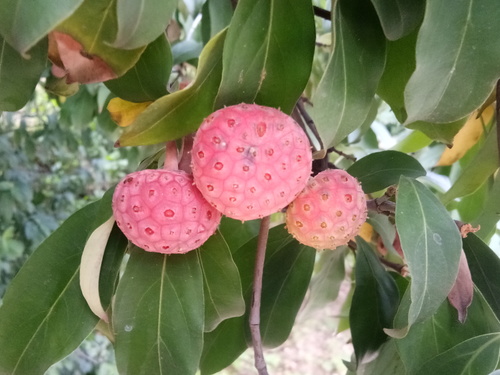
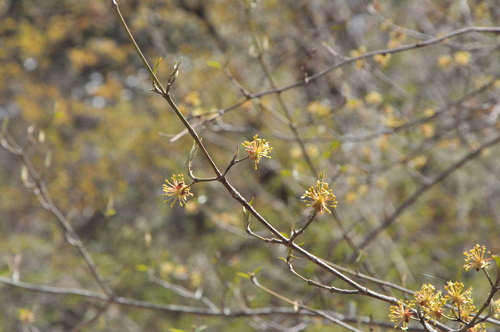
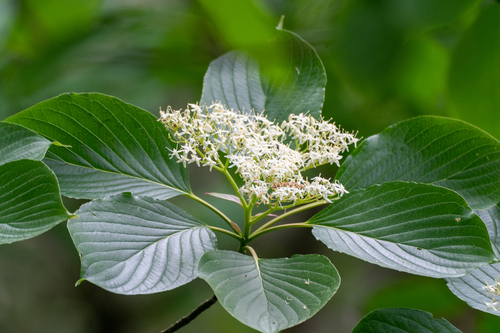
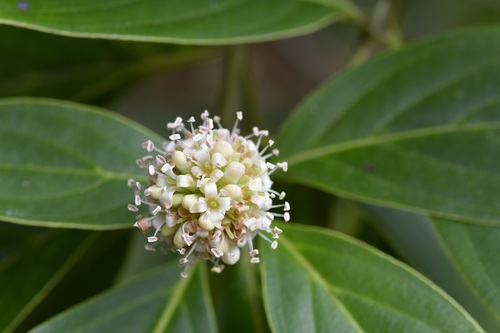
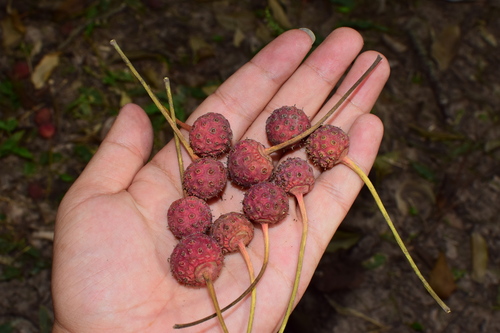
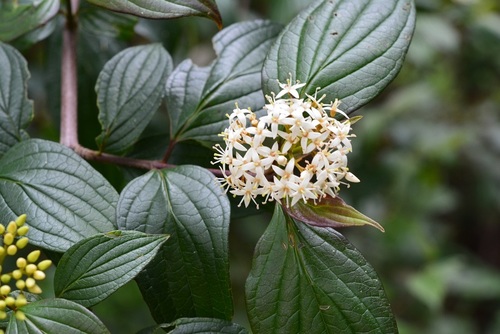
A tall tree. It loses its leaves during the year. It grows 20-50 m tall. The small branches are purple-brown. The leaves are oblong and 10-15 cm long by 4-5 cm wide. They taper to the tip and are blunt at the base. The are covered with dense hairs. The leaf stalks are 2-4 cm long. The flowers are greenish-white. The fruit are fleshy and oval. They are 2-3 cm long by 2 cm wide. They are purple-red turning black.
Edible Uses
Fruit - raw or cooked. A sweet aroma, but a bitter, acid taste. The juicy flesh surrounding the single seed is eaten. It is sometimes cooked in syrup before consumption. The fruit is a drupe with a leathery wall, it can be up to 25mm in diameter.
Traditional Uses
The ripe fruit are eaten raw. They are also cooked.
This uses section is brief — help expand it
Medicinal Uses
The ripe fruit are used traditionally.
Distribution
A tropical plant. It grows at 1500 m altitude in Yunnan in China. It grows in monsoon rainforest. It grows in damp areas of forests between 800-2,100 m altitude in southern China.
Where It Grows
Asia, Bangladesh, Bhutan, China, Himalayas, India, Indochina, Indonesia, Laos, Malaysia, Myanmar, Northeastern India, SE Asia, Sikkim, Thailand, Vietnam,
Cultivation
A plant of subtropical to tropical regions, usually at elevations from 600 - 2,500 metres but occasionally descending to 100 metres. It grows in both regions with a distinct dry season and those with year-round rainfall. A fast-growing tree. Some reports say the tree is dioecious, whilst others say that plants have either male or bisexual flowers. If dioecious, both male and female forms will need to be grown if fruit and seed are required.
Other Uses
The wood is rather heavy and dense. It is not highly appreciated. It is used for house building under cover, interior finish, furniture, packing cases and tea boxes, and for the production of veneer and plywood. It is suitable for the production of wood-wool board. The wood is used for fuel. The tree is planted as a pioneer species in northern Thailand in reforestation projects to restore native woodland - it is planted in degraded woodland and open areas in a mix with various other species that all have the ability to grow fast; produce dense, weed-suppressing crowns; and attract seed-dispersing wildlife, particularly birds and bats.
Production
In China plants flower in April to May and fruit in October.
Notes
Also put in the family Nyssaceae.
References (15)
- Ambasta, S.P. (Ed.), 2000, The Useful Plants of India. CSIR India. p 402
- Burkill, I.H., 1966, A Dictionary of the Economic Products of the Malay Peninsula. Ministry of Agriculture and Cooperatives, Kuala Lumpur, Malaysia. Vol 2 (I-Z) p 1594
- H. G. A. Engler, Pflanzenr. IV. 220a(Heft 41):15, fig. 2. 1910
- Gardner, S., et al, 2000, A Field Guide to Forest Trees of Northern Thailand, Kobfai Publishing Project. p 215
- Hu, Shiu-ying, 2005, Food Plants of China. The Chinese University Press. p 575
Show all 15 references Hide references
- Jin, Chen et al, 1999, Ethnobotanical studies on Wild Edible Fruits in Southern Yunnan: Folk Names: Nutritional Value and Uses. Economic Botany 53(1) pp 2-14
- Luo, B., et al, 2019, Wild edible plants collected by Hani from terraced rice paddy agroecosystem in Honghe Prefecture, Yunnan, China. Journal of Ethnobiology and Ethnomedicine 15:56
- Milow, P., et al, 2013, Malaysian species of plants with edible fruits or seeds and their evaluation. International Journal of Fruit Science. 14:1, 1-27
- Pasha, M. K. & Uddin, S. B., 2019, Minor Edible Fruits of Bangladesh. Bangladesh J. Plant Taxon. 26(2): 299–313
- Priyadi, H., et al, 2010, Five hundred plant species in Gunung Halimun Salak National Park West Java. A checklist including Sundanese names, distribution and use. CIFOR, FFPRI, SLU p 62
- Soepadmo, E. and Wong, K. M., 1995, Tree Flora of Sabah and Sarawak. Forestry Malaysia. Volume One. p 255
- Sosef, M. S. M., Hong, L. T., & Prawirohatmodjo, S. (Eds.), 1998, Timber tree: Lesser-known timbers. Plant Resources of South-East Asia, 5(3), p 382
- Sundriyal, M. & Sundriyal, R. C., 2004, Structure, Phenology, Fruit Yield, and Future Prospects of some Prominent Wild Edible Plant Species of the Sikkim Himalaya, India. Journal of Ethnobiology 24(1): 113-138 (As Nyssa sessiliflora)
- Wasscher, 1948, Nyssaceae, Flora Malesiana, Ser. 1 Vol 4. p 29
- www.mekonginfo.org/assets/midocs/0001714-environment-forests-and-trees-of-the-central-highlands-of-xieng-khouang-lao