Barringtonia reticulata
(Blume) Miq.
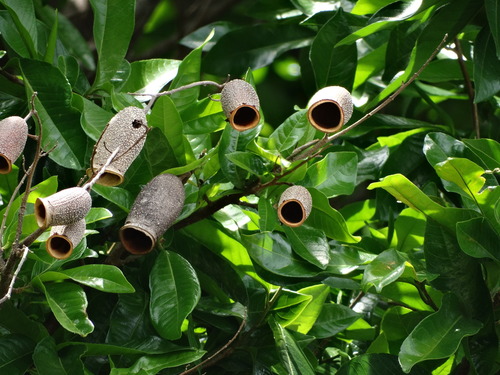
iNaturalist· cc-by-nc
(c) Steven Chong, some rights reserved (CC BY-NC), uploaded by Steven Chong
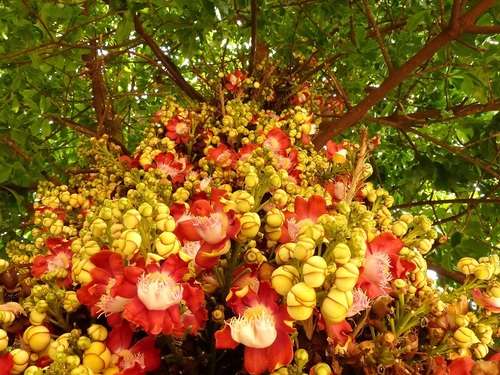
iNaturalist· cc-by-nc
(c) Pierre-Louis Stenger, some rights reserved (CC BY-NC)
Summary
Source: WikipediaBarringtonia reticulata is a plant in the family Lecythidaceae. The specific epithet reticulata means 'like a network', referring to the leaf veins.
Description
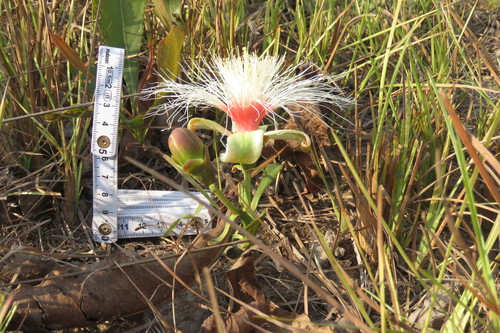
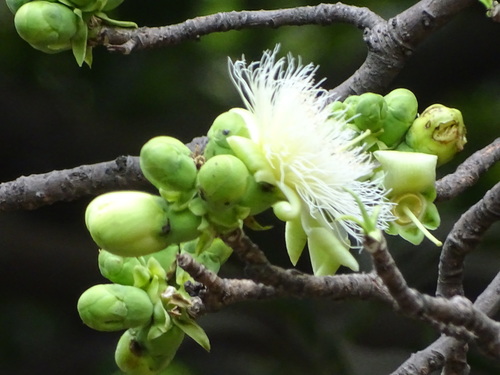
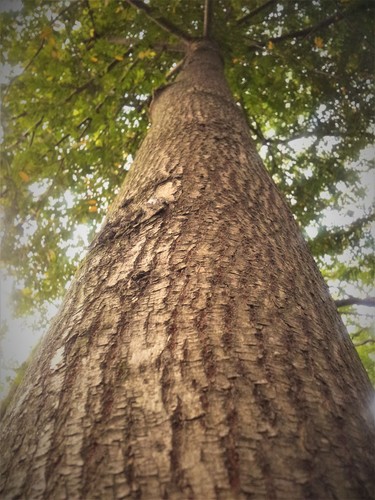
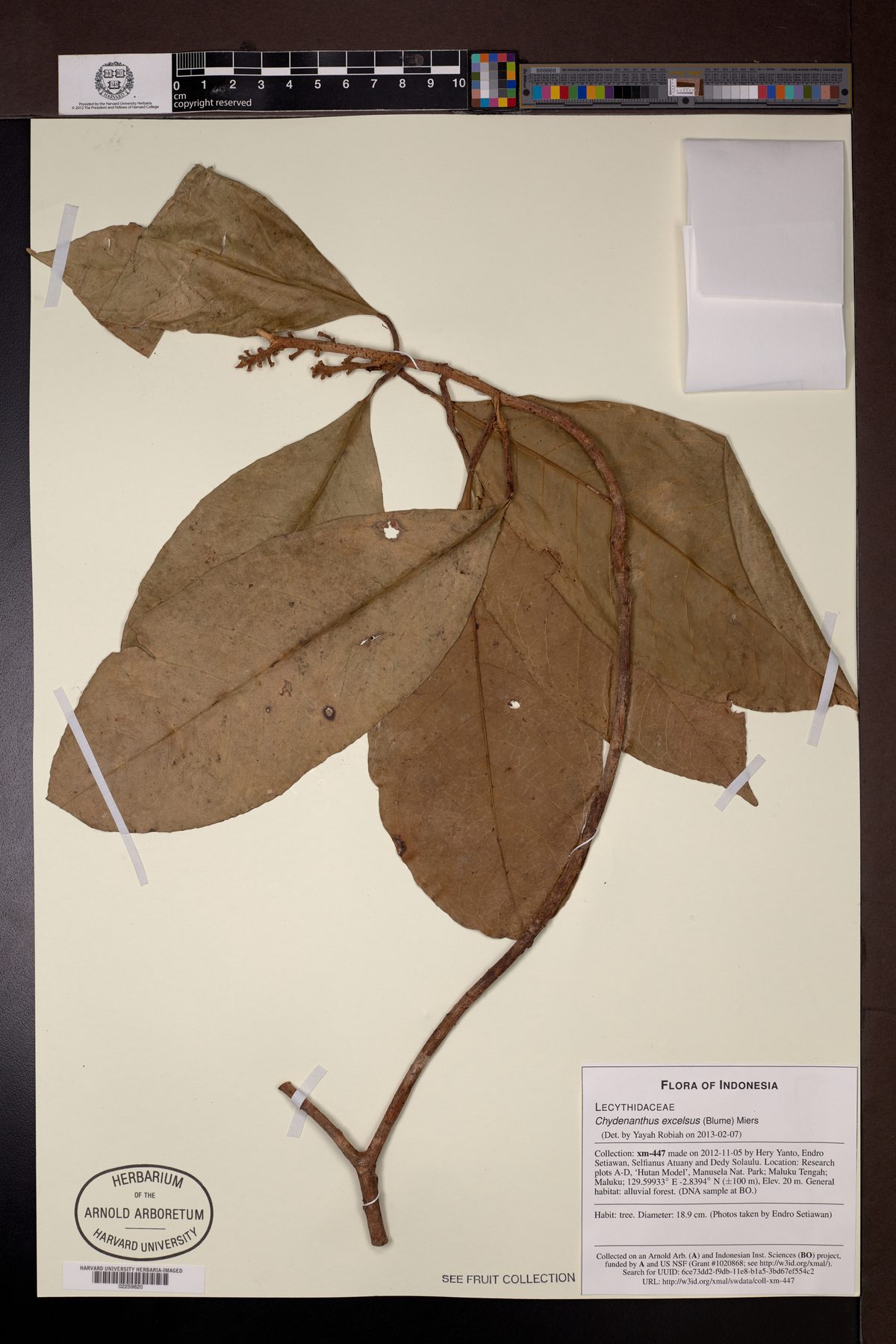
A shrub or small tree. It grows 10 m tall. The trunk is 20 cm across. The bark is reddish-brown. It is deeply cracked. The branches can be drooping. The twigs are slender. The leaves are crowded at the ends of the twigs. They are simple and alternate. The veins in the leaf are like a net. The leaves are narrowly oval and 14-18 cm long by 5-7 cm wide. The flowers hang down at the ends of the branches. The flowering shoots are 30-65 cm long. The flowers are about 4 cm across. The are pink to red. The fruit are 4 cm long. They are reddish-green and angular. They are fleshy.
Distribution
A tropical plant. It grows in peat swamp and coastal forests. It grows up to 200 m above sea level. It can be on alluvial or sandy soils.
Where It Grows
Andamans, Asia, Brunei, India, Indochina, Indonesia, Malaysia, Myanmar, Nicobar Island, Philippines, SE Asia, Singapore,
Notes
There are about 40 Barringtonia species. The sap of the leaves is used to dye teeth black. The bark is used as a fish poison.
Synonyms
Also Known As
Bubu-nak, Gulungan hadik, Jambu huton, Kayu putat hitam, Putat, Putat darat, Putat paya, Putat rimba, Tampalang, Tatisai, Telisai
References (3)
- Fl. Ned. Ind. 1(1):490. 1855
- Prance, G. T. & Jongkind, C. H., 2015, A Revision of African Lecythidaceae. Kew Bulletin. 70:1-68
- www.asianplant.net