Ancistrocladus tectorius
(Loureiro) Merrill
Ox-tongue
iNaturalist· cc-by-nc-nd
(c) loupok, some rights reserved (CC BY-NC-ND)
iNaturalist· cc-by-nc-nd
(c) loupok, some rights reserved (CC BY-NC-ND)
iNaturalist· cc-by-nc
(c) Andreas Berger, some rights reserved (CC BY-NC)
Summary
Source: WikipediaAncistrocladus tectorius is a species of flowering plant in the monogeneric family Ancistrocladaceae. It is found in China (Hainan), Cambodia, India (Andaman and Nicobar Islands), Indonesia, Laos, Malaysia, Myanmar, Singapore, Thailand, and Vietnam. The Vietnamese name is trung quân lợp nhà; Chinese: 钩枝藤, gou zhi teng.
Description
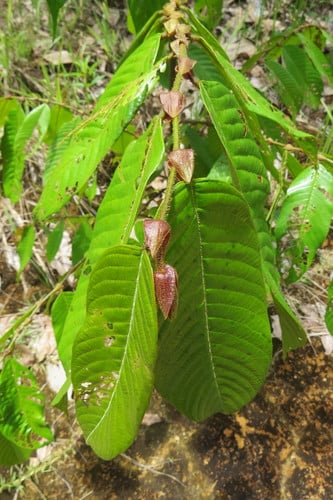
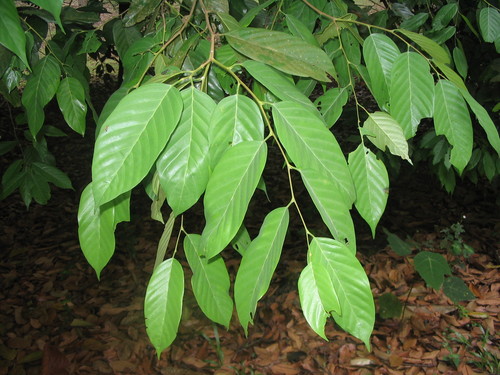
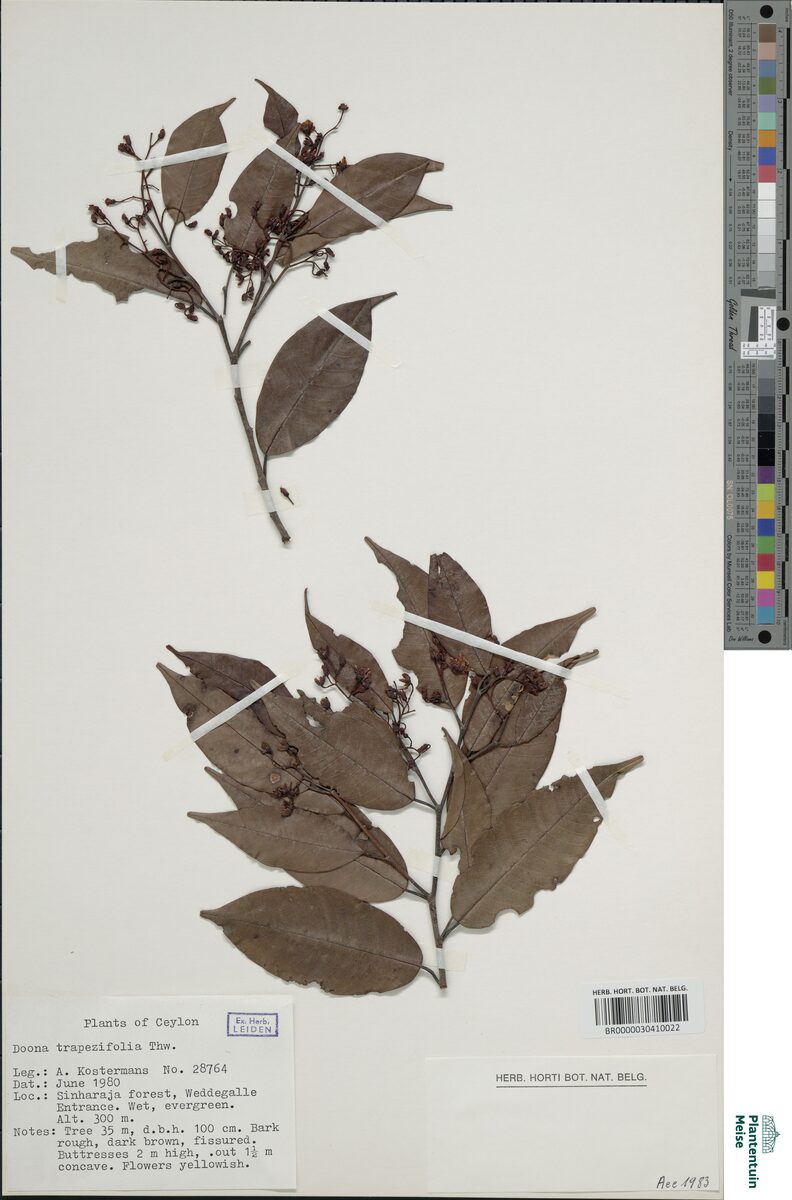
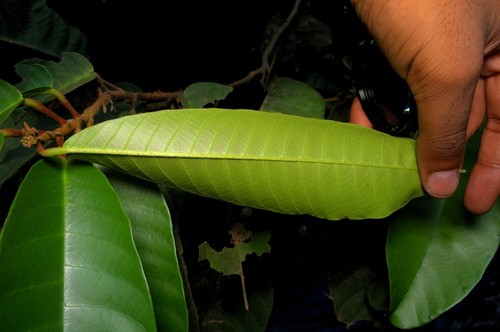
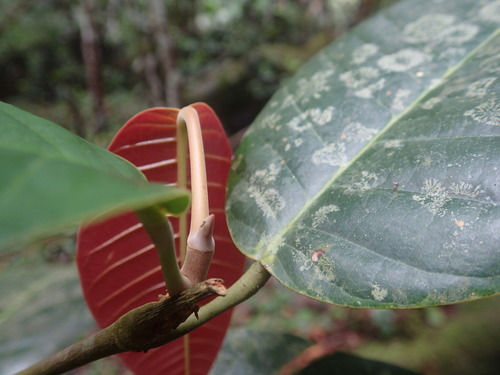
A woody climber. It has a tough stem. The stems can be 20 m long. The side branches have hooks. The leaves are narrowly oval and 7-38 cm long by 2-9 cm wide.
Edible Uses
The young leaves are used as a flavouring and spice.
Traditional Uses
The young leaves are used as a flavouring.
This uses section is brief — help expand it
Medicinal Uses
The boiled roots are used in the treatment of dysentery.
Distribution
A tropical plant. It grows on sandy soil. It grows near the sea.
Where It Grows
Andamans, Asia, Cambodia, China, India, Indochina, Indonesia, Laos, Malaysia, Myanmar, SE Asia, Singapore, Thailand, Vietnam,
Notes
The Dipterocarpaceae are tropical. Also put in the family Ancistrocladaceae.
Synonyms
Also Known As
Jenjulong akar, Kim songe, Lidah sapi, Lin kwaang, Trungquan lop-nha, Von khannma
References (9)
- Ambasta S.P. (Ed.), 2000, The Useful Plants of India. CSIR India. p 39 (Also as Ancistrocladus extensus)
- Bircher, A. G. & Bircher, W. H., 2000, Encyclopedia of Fruit Trees and Edible Flowering Plants in Egypt and the Subtropics. AUC Press. p 27 (As Ancistrocladus extensus)
- Burkill, I.H., 1966, A Dictionary of the Economic Products of the Malay Peninsula. Ministry of Agriculture and Cooperatives, Kuala Lumpur, Malaysia. Vol 1 (A-H) p 156 (As Ancistrocladus extensus)
- Eiadthong, W., et al, 2010, Management of the Emerald Triangle Protected Forests Complex. Botanical Colsultant Technical Report. p 22
- Kachenchart, B., et al, 2008, Phenology of Edible Plants at Sakaerat Forest. In Proceedings of the FORTROP II: Tropical Forestry Change in a Changing World. Bangkok, Thailand.
Show all 9 references Hide references
- Martin, F.W. & Ruberte, R.M., 1979, Edible Leaves of the Tropics. Antillian College Press, Mayaguez, Puerto Rico. p 98 (As Ancistrocladus extensus)
- PROSEA handbook Volume 13 Spices. p 274
- Seidemann J., 2005, World Spice Plants. Economic Usage, Botany, Taxonomy. Springer. p 39
- World Checklist of Useful Plant Species 2020. Royal Botanic Gardens, Kew