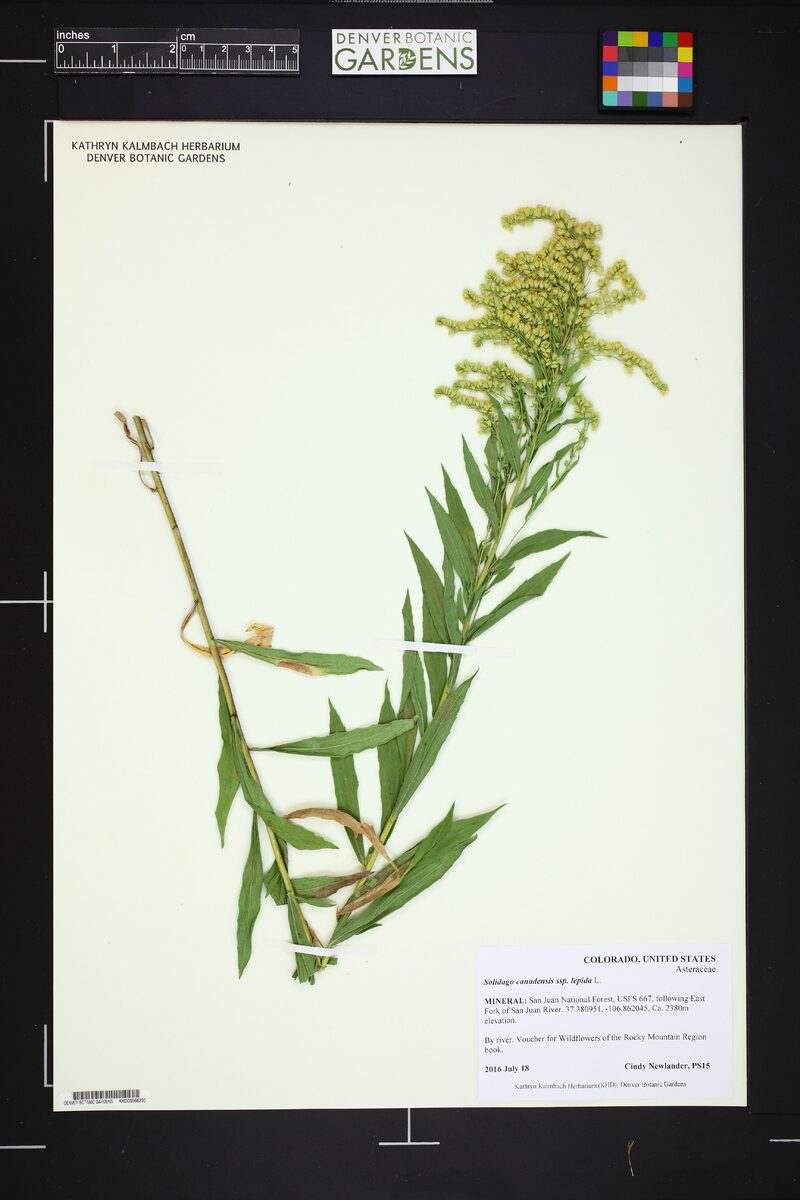
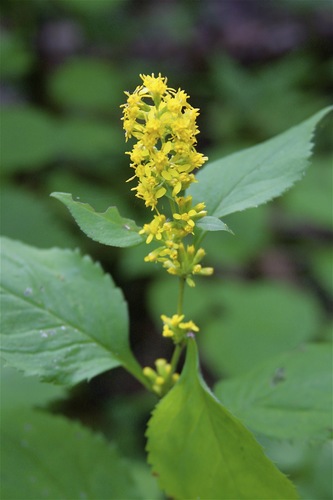
Balsamorhiza hookeri
(Hook.) Nutt.
Balsam root, Hairy Balsamroot, Hooker's Balsamroot, Rabbithead Balsamroot
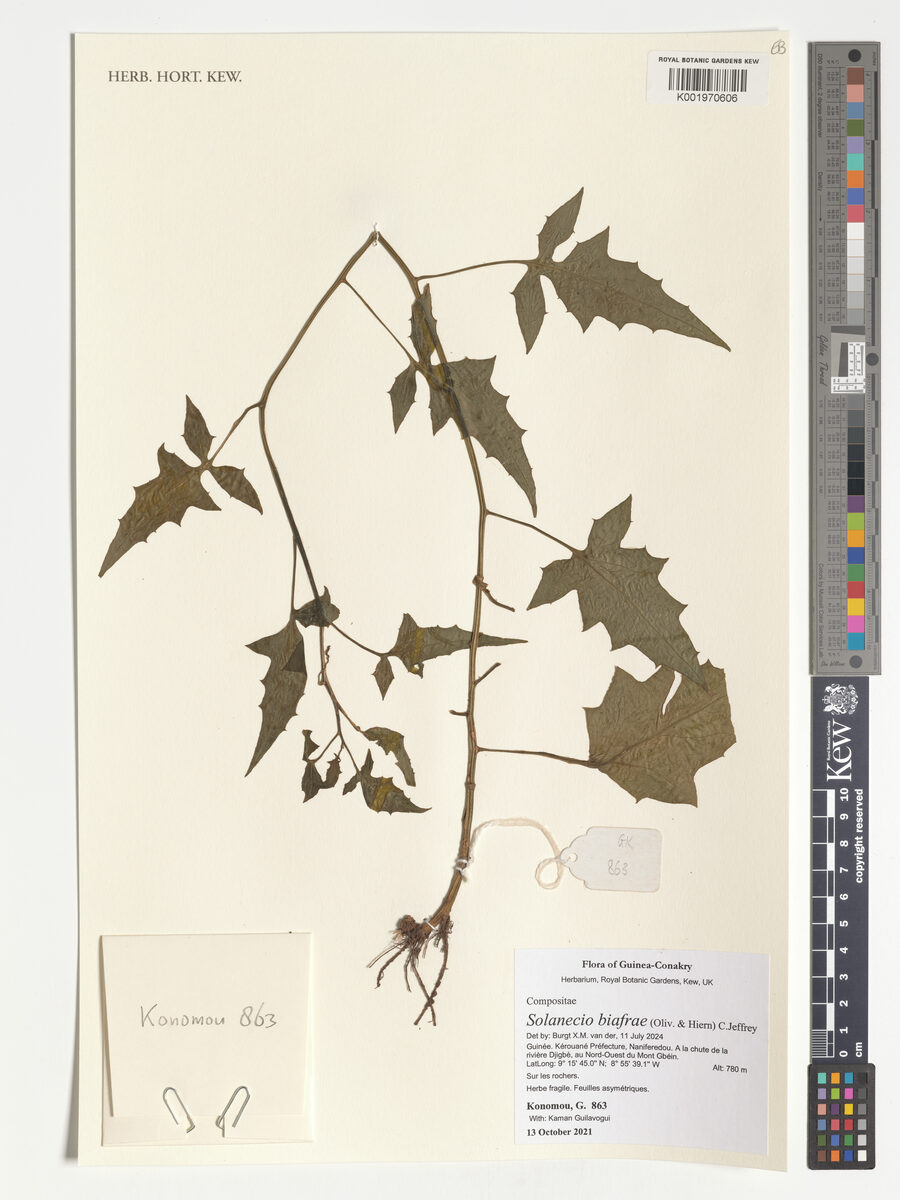
iNaturalist· cc-by-nc
(c) Micah Lauer, some rights reserved (CC BY-NC), uploaded by Micah Lauer
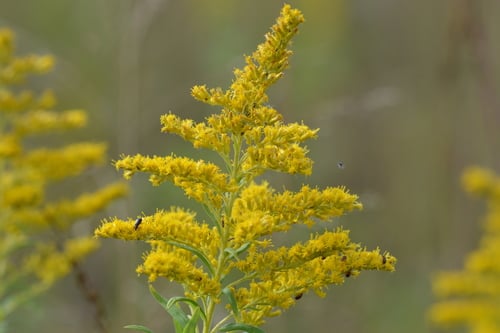
iNaturalist· cc-by
(c) Jim Morefield, some rights reserved (CC BY), uploaded by Jim Morefield
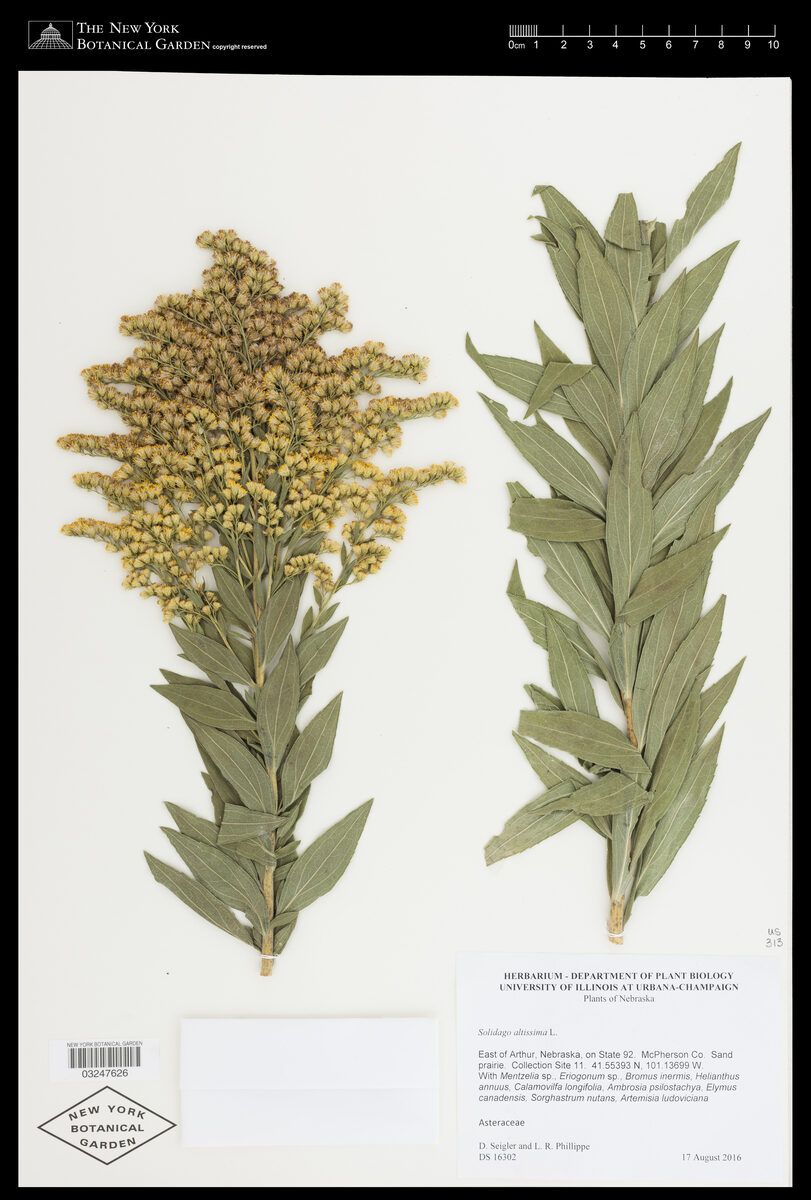
iNaturalist· cc-by
(c) Jim Morefield, some rights reserved (CC BY)
Summary
Source: WikipediaBalsamorhiza hookeri (Hooker's balsamroot) is a North American species of perennial plant in the family Asteraceae. It grows in the Great Basin and neighboring regions in the Western United States. It is found in Washington, Oregon, California, Idaho, Nevada, Utah, and Arizona.
Description
A low herb. It is covered with short, fine white hairs. The leaves are sword shaped and divided once or twice. The flowers occur singly.
This description is brief — help expand it
Edible Uses
Edible Parts: Root Seed Edible Uses: Root - raw or cooked. A sweet and agreeable taste when cooked. Seed - raw or cooked. It can be ground into a powder and formed into cakes for eating raw or made into a bread. Edible Uses & Rating: Roots: principal edible; variable flavor/texture. Young leaves: technically edible, cooked, but very bitter/resinous. Seeds: edible but scarce/bug-prone. Edibility rating: 3/5 (root can be good; other parts poor in practice) [2-3]. Taste, Processing & Kitchen Notes: Fresh root skins are thick and unpleasant—peel thoroughly. The core can be starchy to resinous; large/old roots tend to be woody, balsamic, and strong. Traditional pit-roast ~24 h to mellow resins and soften; then slice, mash, or dry and grind. Leaves: boiling slightly reduces bitterness but produces dark green, unappetizing liquor. Seeds require tedious hand-stripping and winnowing, yielding modest results [2-3]. Seasonality (Phenology): Leaf rosettes: very early spring (through snow).Bloom: April–July (site/elevation dependent).Seed ripening: early summer; plants then wither early.Root harvest: anytime (easiest when the tops of the plants are marked or soon after withering). Harvest & Processing Workflow (roots): 1.Locate patches in bloom; flag for later. 2.Dig smaller roots (younger plants) with a spade bar; minimize population impact. 3.Peel thick bark; trim woody cores. 4.Pit-roast (preferred) 18–24 h or slow simmer several hours. 5.Use fresh (soups/stews) or dry & grind for flour. Traditional/Indigenous Use Summary: Widely used across the Intermountain West: roots pit-roasted as a staple when palatable stocks are found; seeds pounded/winnowed; young greens occasionally boiled. Importance varied by tribe and site quality.
Traditional Uses
The roots are cooked and eaten. They are also eaten fresh. The seeds are also eaten.
This uses section is brief — help expand it
Medicinal Uses
Stomachic Women's complaints A decoction of the root has been used for stomach problems, bladder complaints and female complaints[257. The sub-species B. hookeri hirsuta has been specified for these uses.
Distribution
It is a temperate plant.
Where It Grows
North America, USA,
Propagation
Seed - sow early spring in a greenhouse and only just cover the seed. Germination usually takes place within 2 - 6 days at 18°c. Either sow the seed in individual pots or pot up the seedlings as soon as they are large enough to handle and plant them out into their permanent positions in the summer. Division in spring. Very difficult since the plant strongly resents root disturbance. It is probably best to take quite small divisions, or basal cuttings, without disturbing the main clump. Pot these up into individual pots and keep them in light shade in the greenhouse until they are growing away well. Plant them out in the summer if they have grown sufficiently, otherwise over-winter them in the greenhouse and plant out in late spring.
Other Uses
Ecology & Wildlife: Early nectar/pollen for native bees, flies, early butterflies. Seed eaten opportunistically by small birds/rodents. Deep root binds coarse soils and aids post-fire recovery. Special Uses
Notes
There are 4 Balsamorhiza species.
Synonyms
Also Known As
Kusiaki
References (12)
- Beckstrom-Sternberg, Stephen M., and James A. Duke. "The Foodplant Database." http://probe.nalusda.gov:8300/cgi-bin/browse/foodplantdb.(ACEDB version 4.0 - data version July 1994)
- Beckstrom-Sternberg, Stephen M., and James A. Duke. "The Foodplant Database." http://probe.nalusda.gov:8300/cgi-bin/browse/foodplantdb.(ACEDB version 4.0 - data version July 1994) (As Balsamorhiza incana)
- Bircher, A. G. & Bircher, W. H., 2000, Encyclopedia of Fruit Trees and Edible Flowering Plants in Egypt and the Subtropics. AUC Press. p 53
- Couture, M. D., 1978, Recent and Contemporary Foraging Practices of the Harney Valley Paiute. Thesis, Portland State University
- Coutre, M. D., et al, 1986, Foraging Behaviour of a Contemporary Northern Great Basin Population. Journal of California and Great Bason Anthropology Vol. 8(2) pp 150-160
Show all 12 references Hide references
- Facciola, S., 1998, Cornucopia 2: a Source Book of Edible Plants. Kampong Publications, p 34
- Hedrick, U.P., 1919, (Ed.), Sturtevant's edible plants of the world. p 91
- Kermath, B. M., et al, 2014, Food Plants in the Americas: A survey of the domesticated, cultivated and wild plants used for Human food in North, Central and South America and the Caribbean. On line draft. p 119
- Lim, T. K., 2015, Edible Medicinal and Non Medicinal Plants. Volume 9, Modified Stems, Roots, Bulbs. Springer p 14
- Plants for a Future database, The Field, Penpol, Lostwithiel, Cornwall, PL22 0NG, UK. http://www.scs.leeds.ac.uk/pfaf/
- Plants for a Future database, The Field, Penpol, Lostwithiel, Cornwall, PL22 0NG, UK. http://www.scs.leeds.ac.uk/pfaf/ (As Balsamorhiza incana)
- Tozer, F., 2007, The Uses of Wild Plants. Green Man Publishing. p 45