Castanopsis fordii
Hance
Hairy chestnut
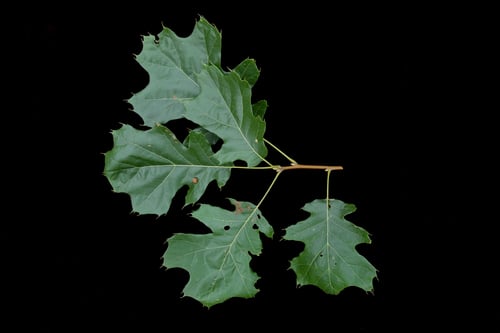
iNaturalist· cc-by-nc
(c) 甲殻蟲翻身, some rights reserved (CC BY-NC), uploaded by 甲殻蟲翻身
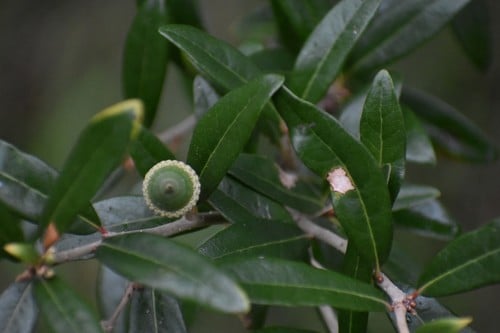
iNaturalist· cc-by-nc
(c) 甲殻蟲翻身, some rights reserved (CC BY-NC), uploaded by 甲殻蟲翻身
Description
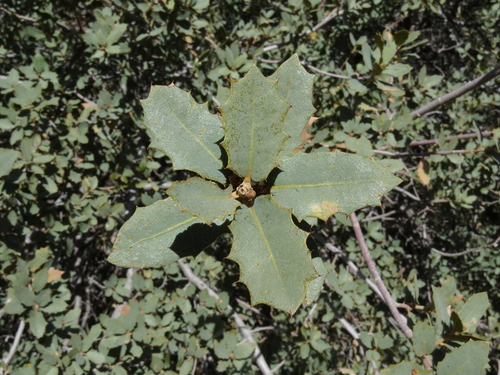
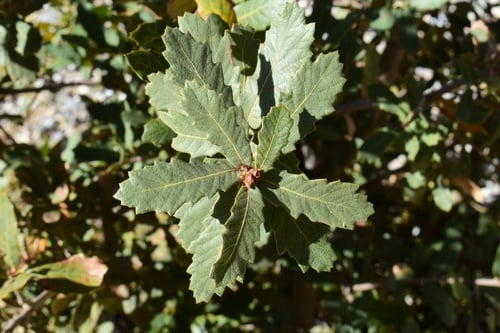
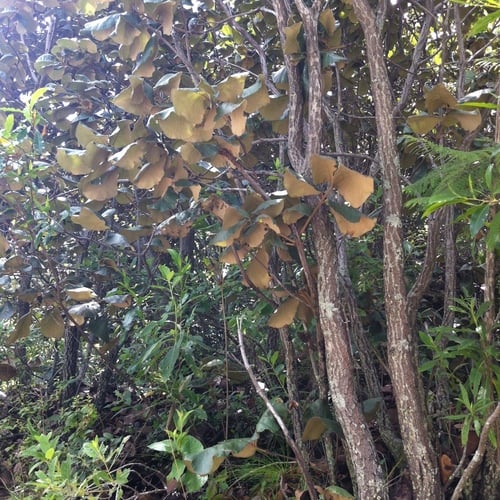
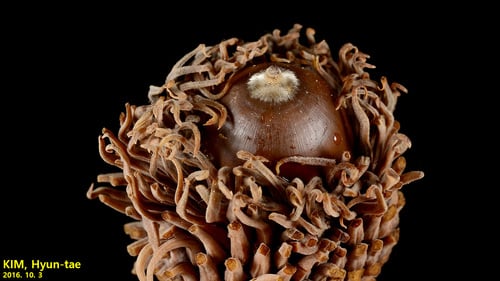
A tree. The young parts have a brown velvety covering. The leaf stalk is 1-3 mm long. The leaf blade is oblong to sword shaped and 9-18 cm long by 3-7 cm wide. They are leathery. The base is heart shaped with ear like lobes. The edges turn up. The leaf narrows to a sharp tip. The main vein in sunken on the upper surface. There are 14-18 side veins on each side of the midrib. The flower arrangement is a dense spike. It is 6-12 cm long. The cup like structure in 5-6 cm across. It splits into 4 or occasionally 5 regular parts. There are spine like bracts over this cup. There is 1 nut per cup. These are cone shaped and 1.2-1.5 cm long by 1.5-2 cm wide. They are densely hairy.
Edible Uses
The nuts are eaten raw.
Traditional Uses
The nuts are eaten raw.
This uses section is brief — help expand it
Distribution
They grow in broad leafed forest below 1200 m altitude in China.
Where It Grows
Asia, China*,
Notes
There are about 120 Castanopsis species. Many have edible nuts.
Also Known As
Mao zhui
References (3)
- Altschul, S.V.R., 1973, Drugs and Foods from Little-known Plants. Notes in Harvard University Herbaria. Harvard Univ. Press. Massachusetts. no. 638
- Huang Chengjiu, Zhang Yongtian, Bartholomew, B., Fagaceae, Flora of China.
- Hu, Shiu-ying, 2005, Food Plants of China. The Chinese University Press. p 343