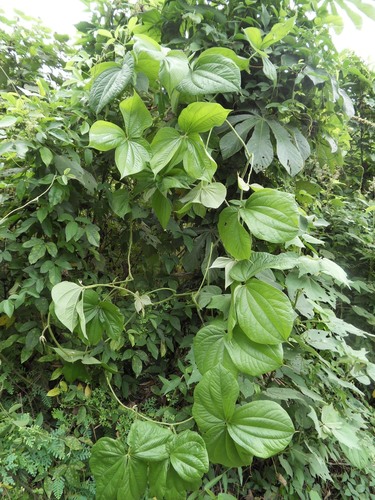
Rajania cordata
L.
Carib yam
iNaturalist· cc-by-nc
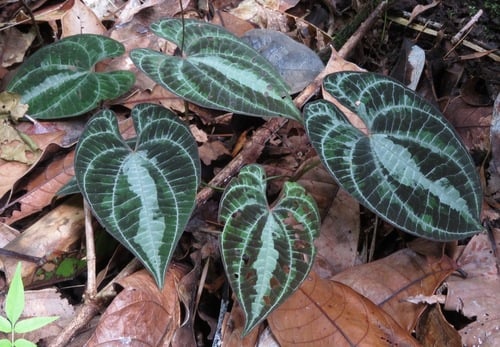
(c) Steve Maldonado Silvestrini, some rights reserved (CC BY-NC)
iNaturalist· cc-by-nc
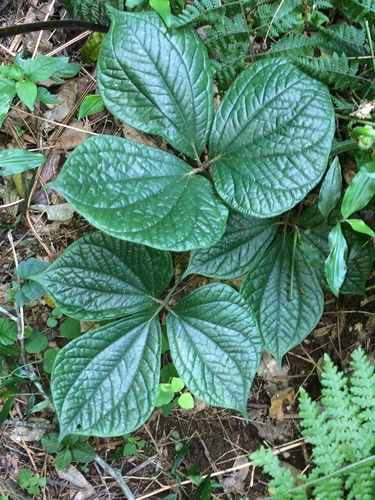
(c) ernestopaganarocho, some rights reserved (CC BY-NC)
iNaturalist· cc-by-nc
(c) ernestopaganarocho, some rights reserved (CC BY-NC)
Description
A vine. It is not woody. It is climbing and twining. It can grow 3-10 m long. The stems are slender and cylinder shaped. The leaves are alternate and 4-12 cm long by 2-7 cm wide. They have 5-9 veins. The leaves taper to the tip and are almost heart shaped at the base. The leaf stalk is 2-7 cm long. The flowering shoots are in the axils of leaves and hang down.
Edible Uses
The roots are eaten and the plant is cultivated as a food crop.
Distribution
A tropical plant. It grows in moist forests in middle to upper elevations.
Where It Grows
Antilles, Central America, Cuba, Dominican Republic, Haiti, Jamaica, Puerto Rico, West Indies,
Other Information
It is a cultivated food plant.
Notes
There are about 25 Rajania species.
Synonyms
Also Known As
Alambrillo, Bejuco de guarauao, Guayaro, Name gulembo
References (5)
- Altschul, S.V.R., 1973, Drugs and Foods from Little-known Plants. Notes in Harvard University Herbaria. Harvard Univ. Press. Massachusetts. no. 425
- Jamaica: A country report to the FAO International Technical Conference on Plant Genetic Resources for Food and Culture. 2008 (As Rajania cyclophylla)
- McNuff, M. A. et al, 2005, Proximate Analysis and Some Antinutritional Factor Constituents in Selected Varieties of Jamaican Yams (Disocorea and Rajana spp.) Plant Foods for Human Nutrition 60:93-98
- Miguel, E., et al, 1989, A checklist of the cultivated plants of Cuba. Kulturpflanze 37. 1989, 211-357
- Sp. pl. 2:1032. 1753