Cissus hastata
Miq.
iNaturalist· cc-by-nc
(c) kerrycoleman, some rights reserved (CC BY-NC), uploaded by kerrycoleman
iNaturalist· cc-by-nc
(c) Russell Cumming, some rights reserved (CC BY-NC)
iNaturalist· cc-by-nc
(c) Russell Cumming, some rights reserved (CC BY-NC)
Description
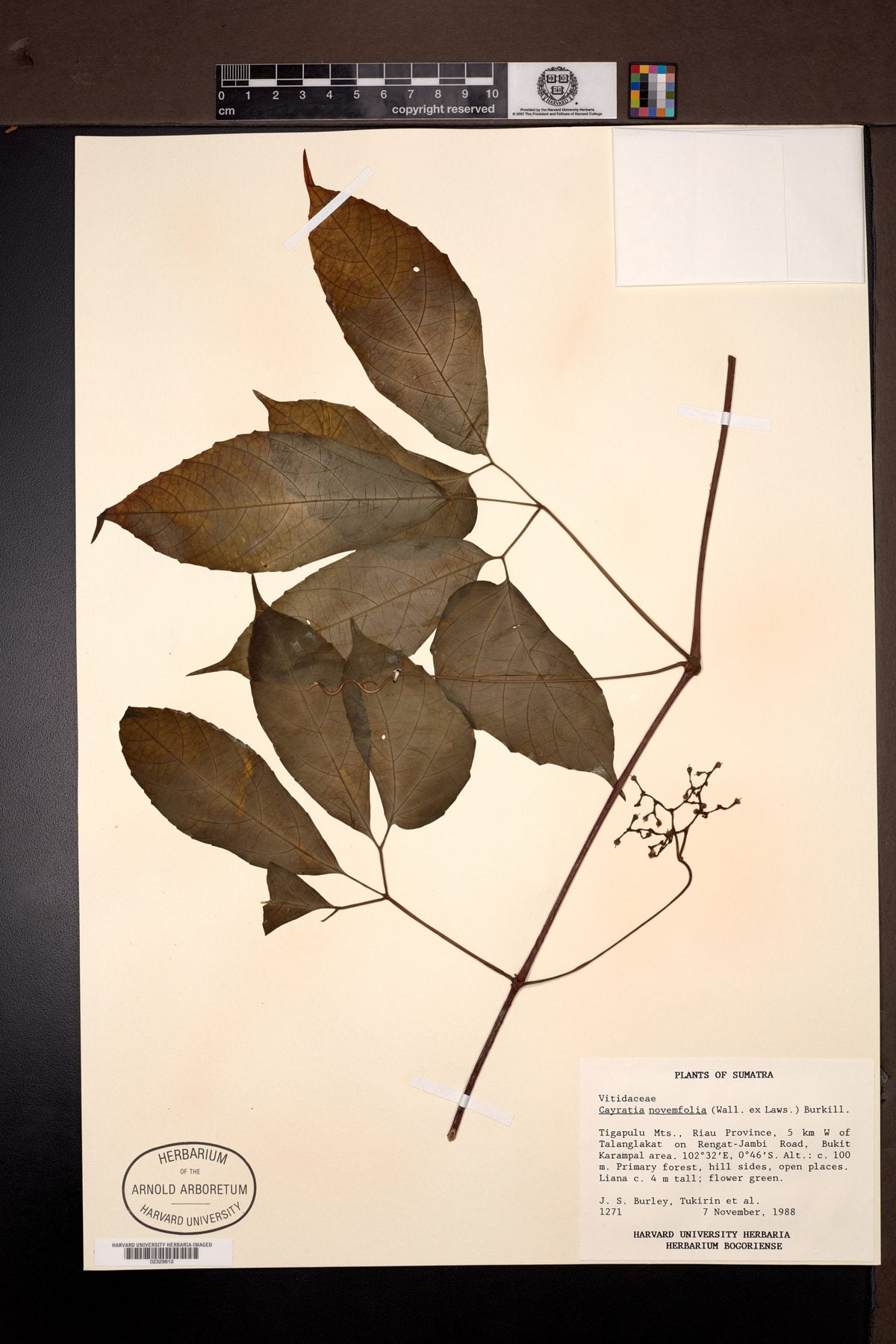
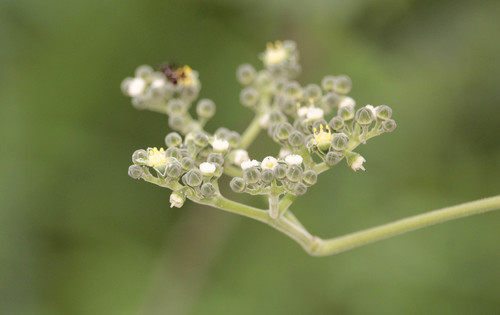
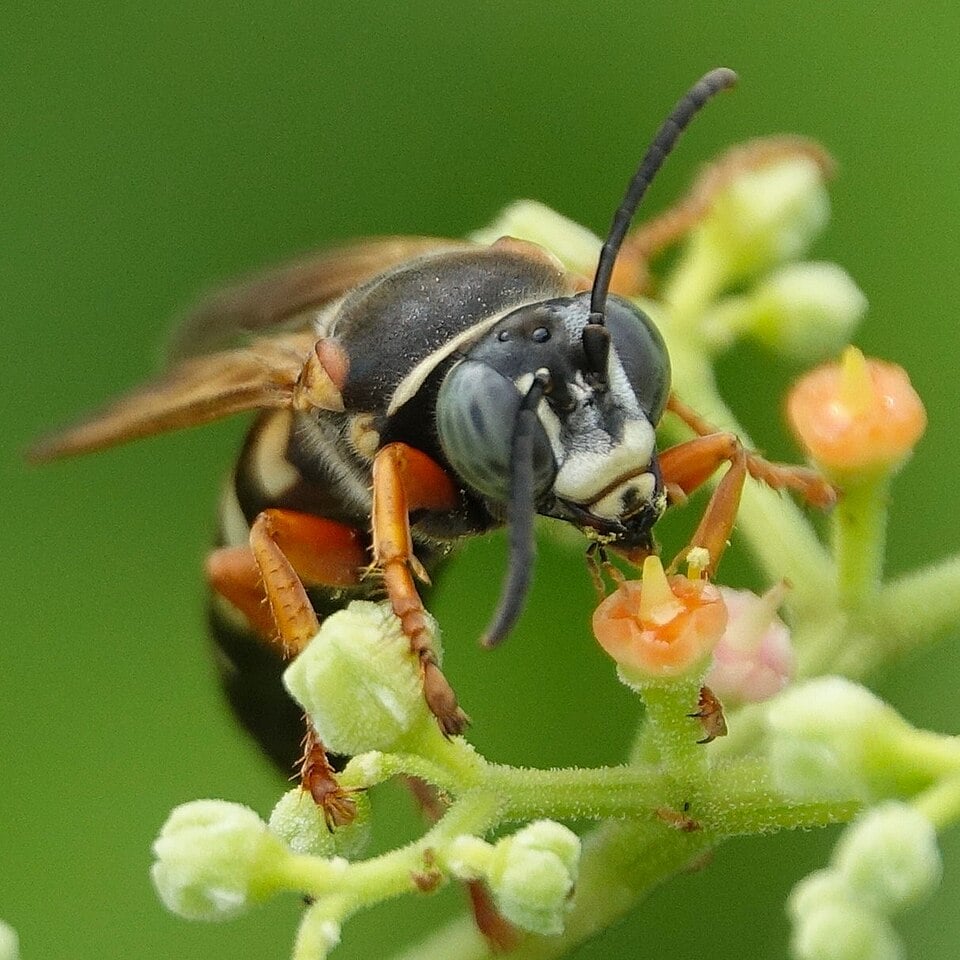
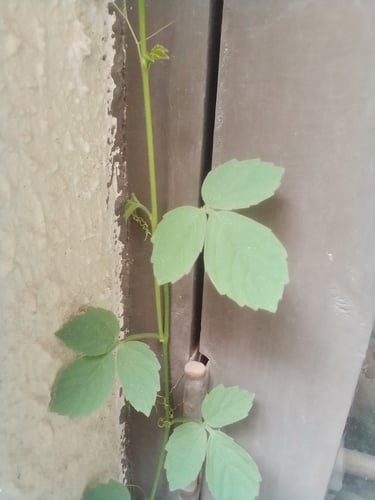
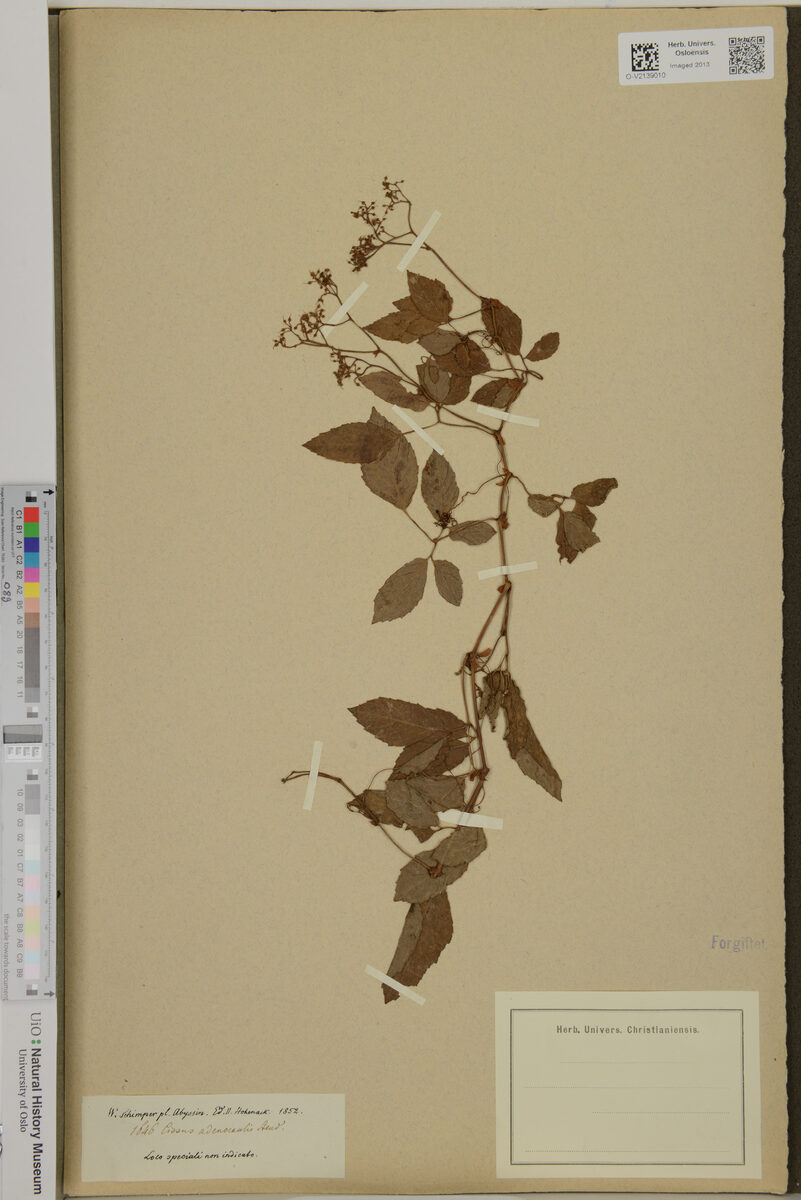
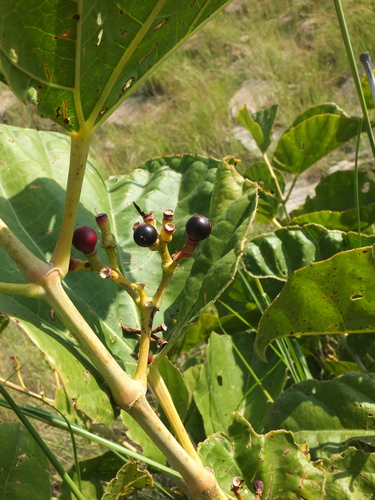
A climber. It grows 2-5 m high. The stem and branches are grey and square or have wings. The young leaves are green on top and reddish underneath. They are oblong or triangular narrowing at the tip and heart shaped at the base. They have irregular teeth. The leaves are 5-11 cm long by 3-5 cm wide. The leaf stalk is 1-2.5 cm long. There are tendrils which are thread like and divide. The flower is a compound head in a flat or wavy disk. The 4 petals are 2-2.5 mm long.
Edible Uses
The leaves are used in curries to add a sour flavor and are sold in markets.
Traditional Uses
The leaves are used in curries to give a sour flavour.
This uses section is brief — help expand it
Medicinal Uses
The pounded leaves are used to make poultices for boils, or are boiled and put on the abdomen to treat ague. The leaves, stems, or fruits are expectorant and anti-emetic. They are used in the treatment of coughs.
Distribution
A tropical plant. It grows in coastal tropical regions in Queensland in Australia. It grows in scrubland.
Where It Grows
Asia, Australia, Cambodia, India, Indochina, Laos, Malaysia, SE Asia, Thailand,
Cultivation
Found wild on most soil types.
Other Information
It is sold in markets.
Notes
There are about 200-350 Cissus species. There are about 75 species in tropical America.
Synonyms
Also Known As
Akar asam riang, Akar iang-iang, Akar yang-yang, Som sandaan
References (8)
- Burkill, I.H., 1966, A Dictionary of the Economic Products of the Malay Peninsula. Ministry of Agriculture and Cooperatives, Kuala Lumpur, Malaysia. Vol 2 (I-Z) p 2287 (As Vitis hastata)
- Eiadthong, W., et al, 2010, Management of the Emerald Triangle Protected Forests Complex. Botanical Consultant Technical Report. p 47
- Jackes, B.R., 2001, Plants of the Tropics. Rainforest to Heath. An Identification Guide. James Cook University. p 86
- Jacquat, C., 1990, Plants from the Markets of Thailand. D.K. Book House p 79
- Kachenchart, B., et al, 2008, Phenology of Edible Plants at Sakaerat Forest. In Proceedings of the FORTROP II: Tropical Forestry Change in a Changing World. Bangkok, Thailand.
Show all 8 references Hide references
- Khumgratok, S., Edible Plants in Cultural Forests of Northeastern Thailand. Mahasarakham University Thailand.
- Nakahara, K. et al, 2002, Antimutagenicity of Some Edible Thai Plants, and a Biocative Carbazole Alkaloid, Mahanine, Isolated from Micromelum minutum. Journal of Agricultural and Food Chemistry. 50: 4796-4892
- Townsend, K., 1994, Across the Top. Gardening with Australian Plants in the tropics. Society for Growing Australian Plants, Townsville Branch Inc. p 133