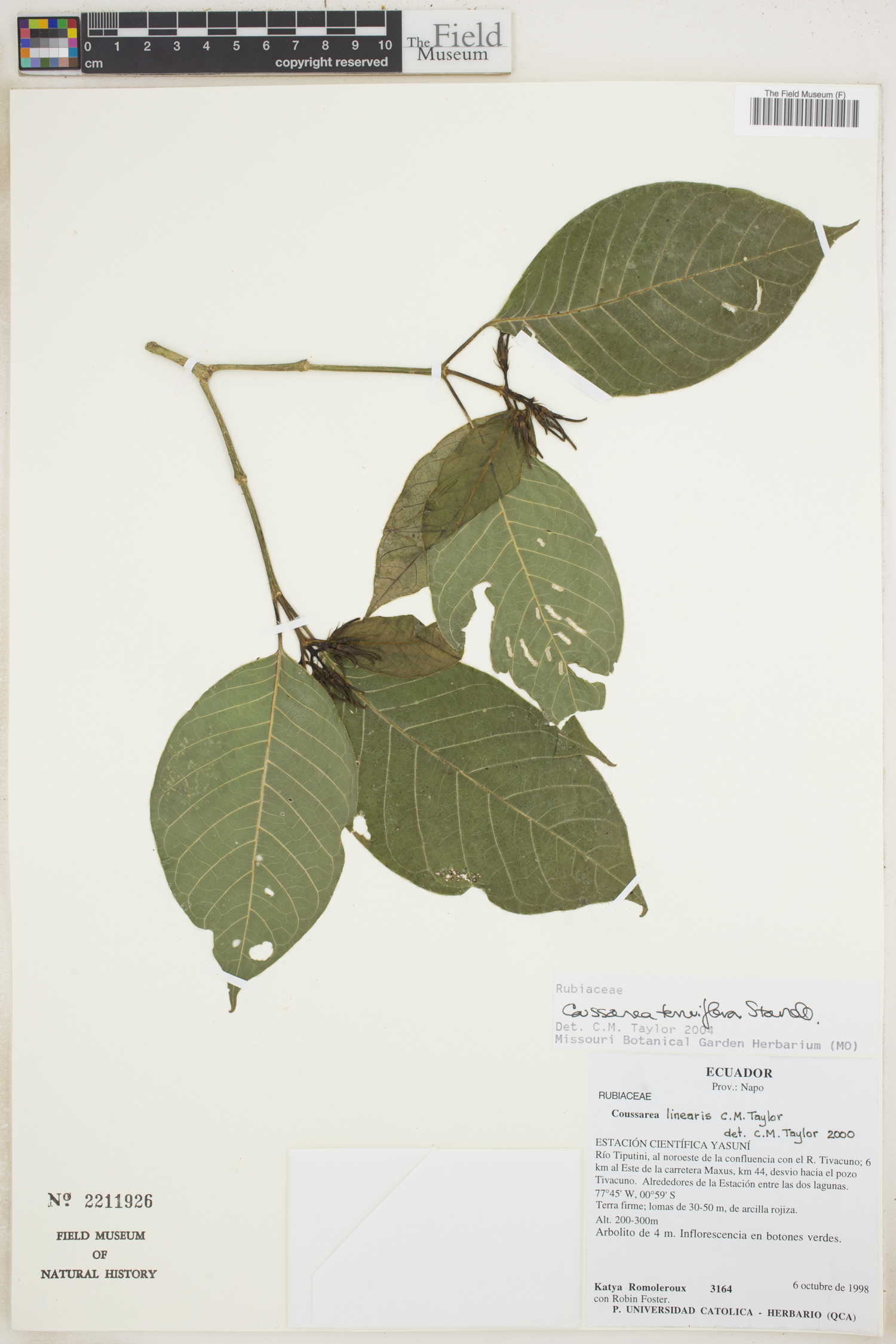
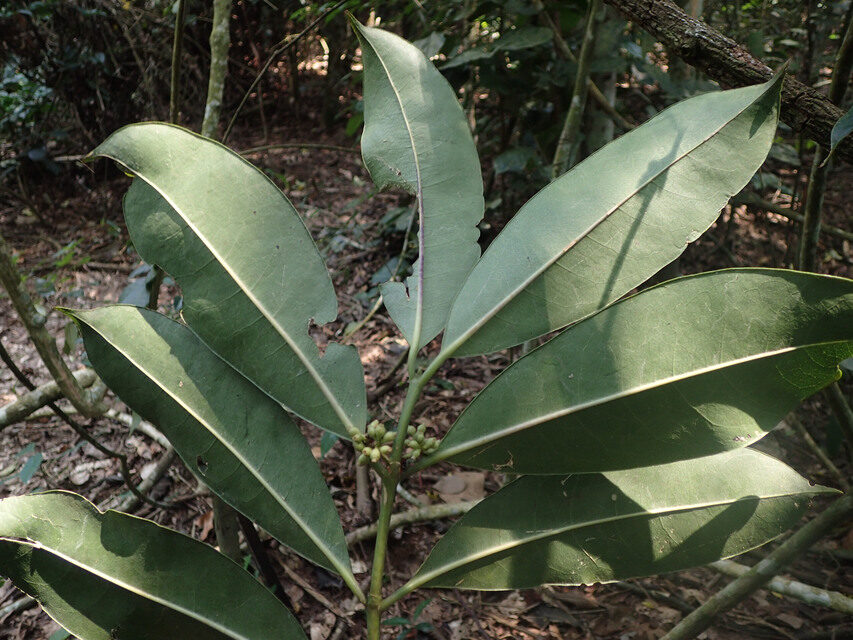
Gardenia pyriformis
A. Cunn. ex Benth.
Wudarr
iNaturalist· cc-by-nc
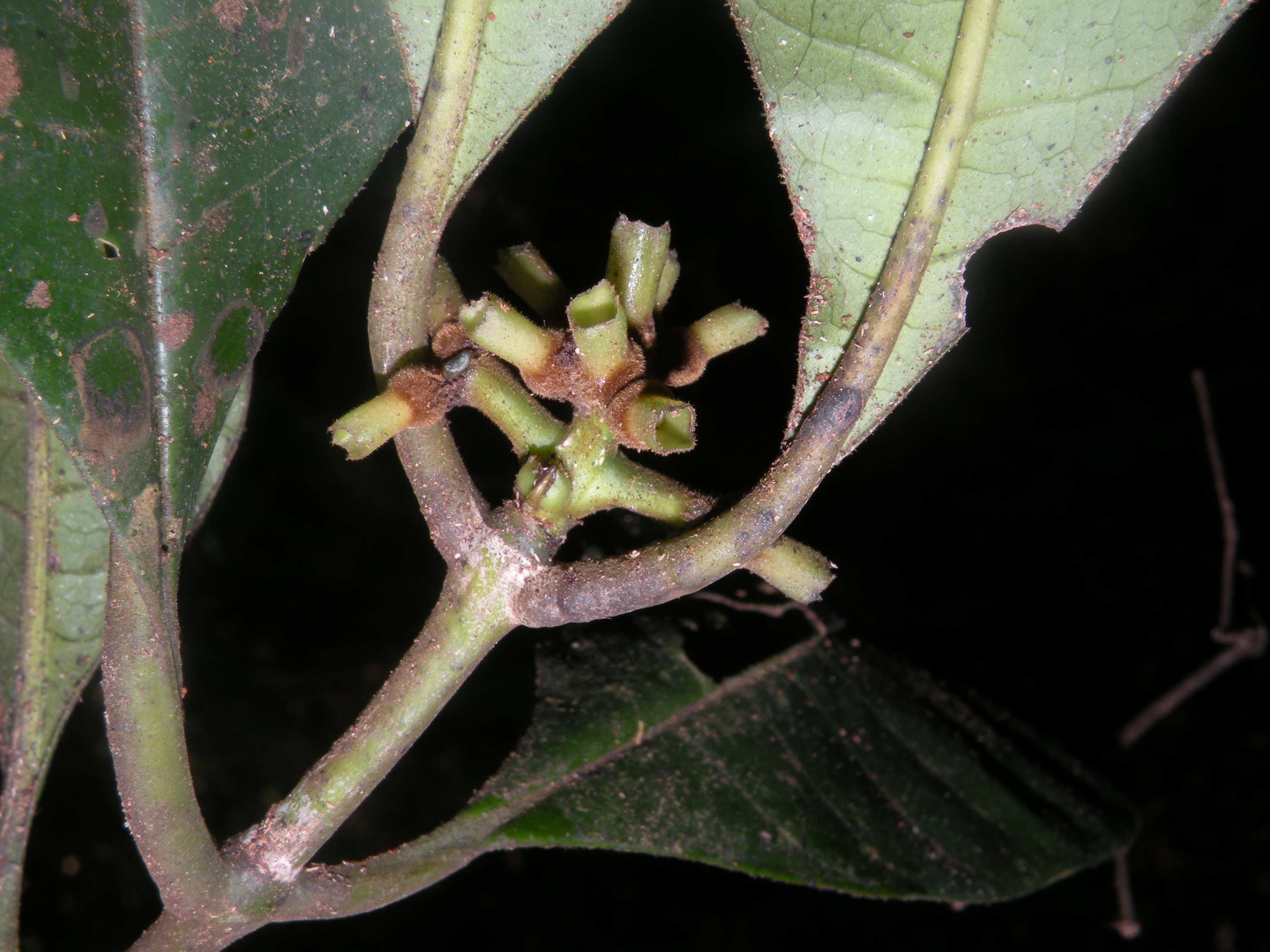
(c) caseyhambrecht13, some rights reserved (CC BY-NC), uploaded by caseyhambrecht13
iNaturalist· cc-by-nc
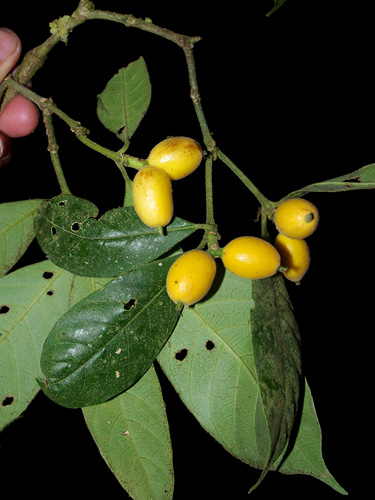
(c) geoffbyrne, some rights reserved (CC BY-NC)
Summary
Source: WikipediaGardenia pyriformis, commonly known as malara, native gardenia or turpentine tree, is a species of plant in the coffee family. It is native to northern Australia where it occurs from the Kimberley region of north-western Western Australia, across the Top End of the Northern Territory to northern Queensland.
Description
A tall shrub. It grows 4-6 m high and spreads 1-3 m wide. The young shoots are hairy. The leaves are 2.5-3.5 cm long by 1-1.2 cm wide. They are oval and dark green. They are leathery and blunt at the tip. The flowers are 1.5 cm across. They are white. The flowers occur singly in the axils of the upper leaves. The fruit is fleshy with a hard stone inside. It is 2-2.5 cm long by 1.1-5 cm wide. It is oval or pear shaped.
Edible Uses
The fleshy fruit is eaten.
Distribution
It is a tropical plant. It suits drier areas. It grows in open situations near streams.
Where It Grows
Australia*,
Cultivation
Plants are grown from seed. The seed should be sown fresh.
Notes
There are about 200 Gardenia species.
References (5)
- Elliot, W.R., & Jones, D.L., 1992, Encyclopedia of Australian Plants suitable for cultivation. Vol 4. Lothian. p 334
- Hardwick, G., 2001, Economically Useful Plants for Northern Australia: Master Species List. Crusader eBooks.
- Lands, M., 1987, Mayi: Some Bush fruits of Dampierland. Magabala Books, Broome West Australia. p
- Paczkowska, G . & Chapman, A.R., 2000, The Western Australian Flora. A Descriptive Calatogue. Western Australian Herbarium. p 513
- Vigilante, T., et al, 2013, Island country: Aboriginal connections, values and knowledge of the Western Kimberley islands in the context of an island biological survey. Records of the Western Australian Museum Supplement 81: 145-182