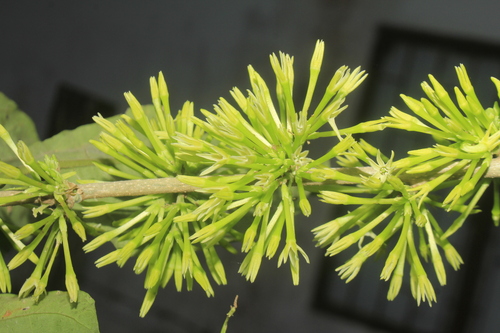
Solanum x juzepczuki
Bukasov
Bitter potatoes, Luki, Ruku
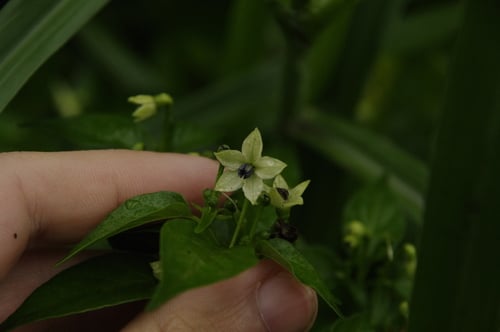
iNaturalist· cc-by-nc
(c) Scott F Smith, some rights reserved (CC BY-NC)
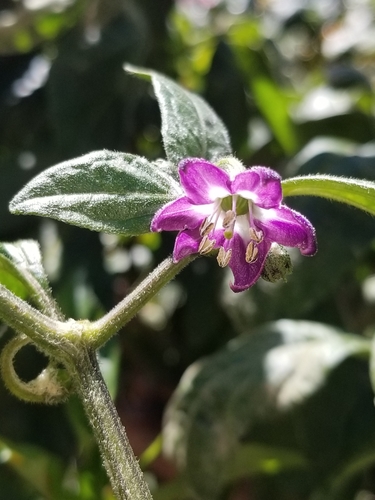
iNaturalist· cc-by-nc
(c) Scott F Smith, some rights reserved (CC BY-NC)
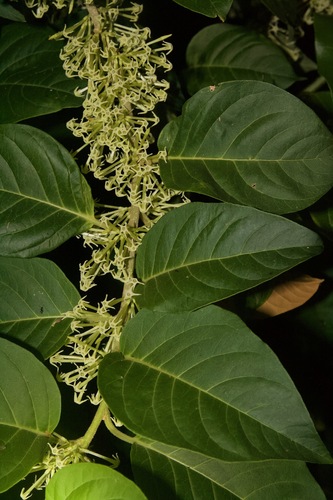
iNaturalist· cc-by-nc
(c) Scott F Smith, some rights reserved (CC BY-NC)
Description
Plants grow to 30-50 cm high. They grow in a ring type or arrangement. The leaves are long and straight. The leaf stalks are short. The petals of the flower are blue. The tubers vary is size and shape. They can be round or elongated.
Edible Uses
The tubers are harvested and exposed to overnight cold for several nights, then pressed and dried to make chuno or flour, which is eaten as bread. White chuno is washed after freezing while black chuno is not.
Traditional Uses
The tubers are harvested then exposed to the overnight cold for several nights before being pressed and dried. They were then processed into chuno or flour and eaten as bread. White chuno is washed after freezing while black chuno is not.
Distribution
A tropical plant. It grows between 3,900 and 4,200 m altitude in the Andes. There is only a small reduction in yield with temperatures of -5°C. Temperatures between 6°-14°C are normal during the growth priod. Rainfall between 400-1 400 mm over the growing season is normal.
Where It Grows
Bolivia, Peru, South America,
Cultivation
Plants are sown as rain is anticipated. Often several sowings are used to ensure against variations in the rainfall. Plants are earthed up during growth. Tuber formation starts at flowering after 5-7 weeks.
Production
They take 5-8 months to reach maturity.
Other Information
They are important at high altitudes in Bolivia and Peru.
Notes
There are about 1400 Solanum species.
Synonyms
References (2)
- Hermandez Bermejo, J.E., and Leon, J. (Eds.), 1994, Neglected Crops. 1492 from a different perspective. FAO Plant Production and Protection Series No 26. FAO, Rome. p 154
- Trudy vsecouz. sezda genetike 3:603. 1929