Diospyros racemosa
Roxb.
wikimedia· cc0
Wikimedia Commons - Jacquin, Nikolaus Joseph; Mathiae Andreae Schmidt.
Description
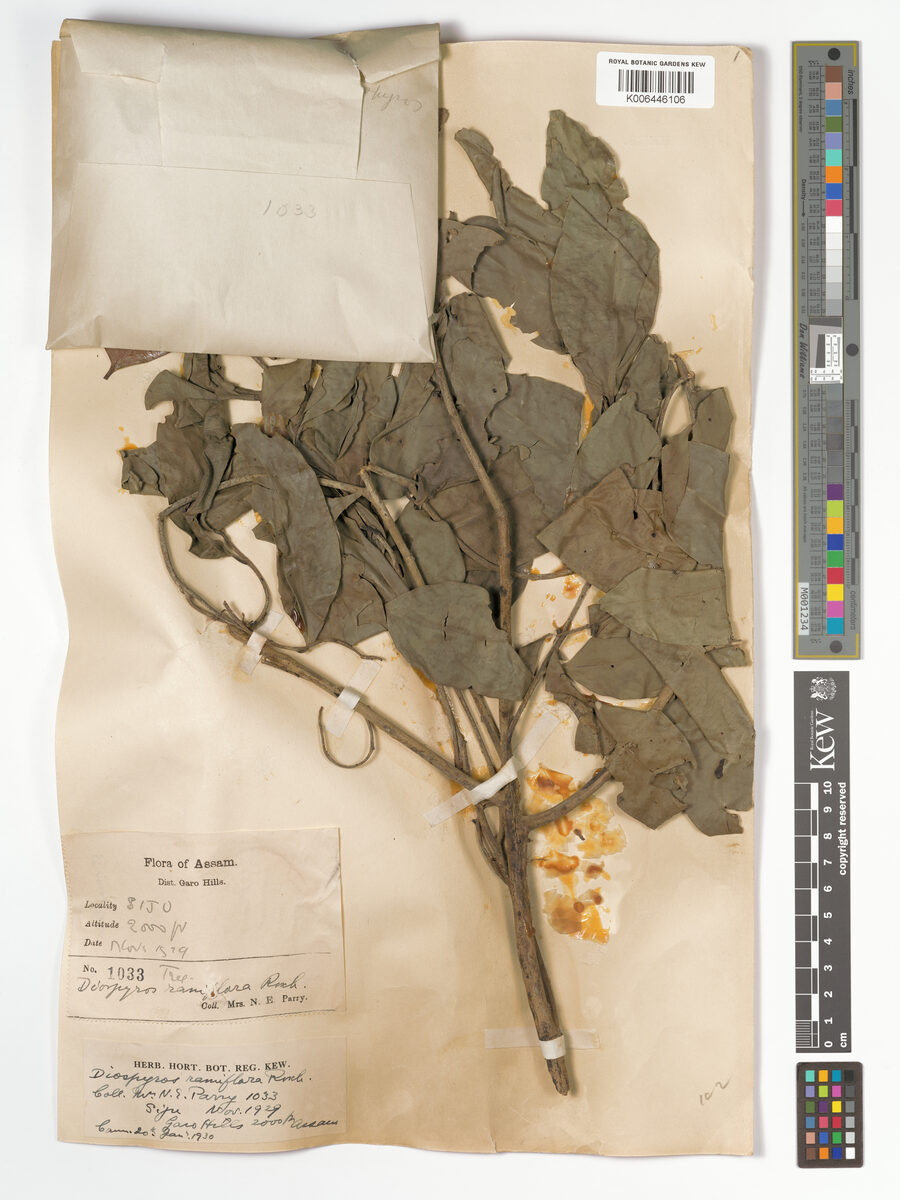
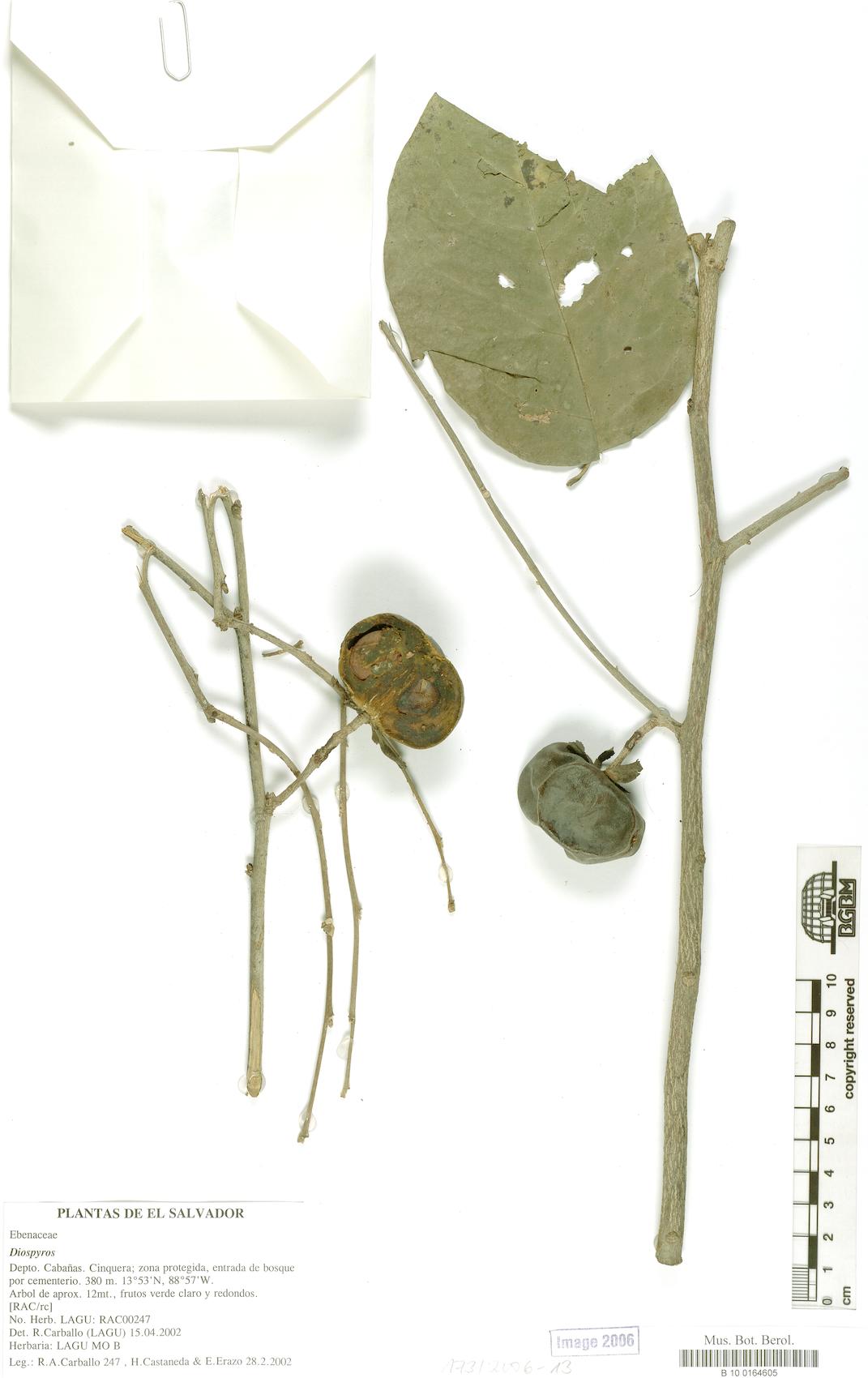
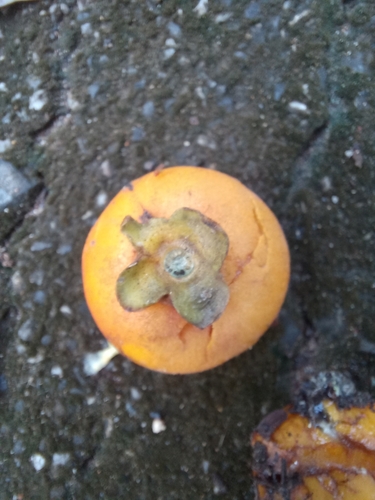
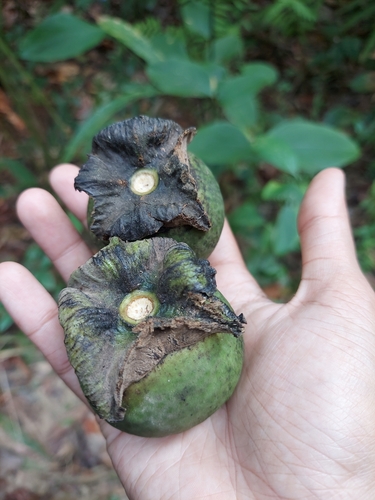
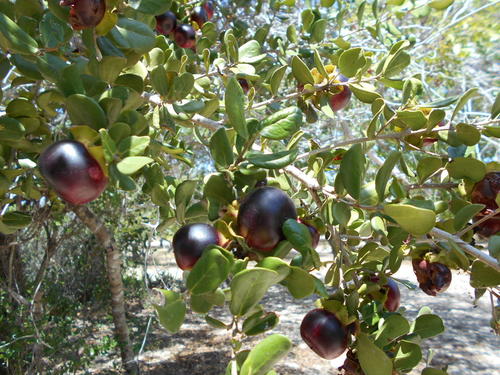
A tree. It grows 20 m high. The bark is greyish brown and smooth. The young branches are slender and shiny. The leaves are simple and alternate. They are 10-30 cm long by 2-10 cm wide. They are narrowly oval and rounded at the base and tapering to the tip. Male and female flowers are separate and yellow. Male flowers are in groups of 3-12 and female flowers occur singly. The fruit is an oval berry and flattened at the top. The fruit are 3-4 cm across. They are yellow when ripe.
Edible Uses
The fruit are eaten.
Distribution
It is a tropical plant. It grows in central and eastern India. It grows in evergreen forests.
Where It Grows
Asia, Bangladesh, India, Northeastern India, Sri Lanka,
Production
In southern India it flowers and fruits February to May.
Notes
There are about 485 species of Diospyros mostly in the tropics.
Synonyms
Also Known As
Gub-Gulal, Gula, Kaha kala, Kalakura, Kaluwella, Karundu varai, Thing-bong, Toposi, Tuvarai
References (7)
- Ambasta, S.P. (Ed.), 2000, The Useful Plants of India. CSIR India. p 178 (As Diospyros racemosa)
- Hedrick, U.P., 1919, (Ed.), Sturtevant's edible plants of the world. p 278 (As Diopsyros toposia)
- Jayaraman, U., & Singh, V., 1987, A Census of Edible Species of Diospyros L. in India. J. Econ. Tax. Bot. Vol. 10 No. 2 pp 416-419 (As Diopsyros toposia)
- Pasha, M. K. & Uddin, S. B., 2019, Minor Edible Fruits of Bangladesh. Bangladesh J. Plant Taxon. 26(2): 299–313 (As Diopsyros toposia)
- Singh, H.B., Arora R.K.,1978, Wild edible Plants of India. Indian Council of Agricultural Research, New Delhi. p 56 (As Diopsyros toposia)
Show all 7 references Hide references
- Singh, V. B., et al, (Ed.) Horticulture for Sustainable Income and Environmental Protection. Vol. 1 p 215
- Wild edible plants of Himachal Pradesh