Asparagus laricinus
Burch.
Cluster-leaved asparagus
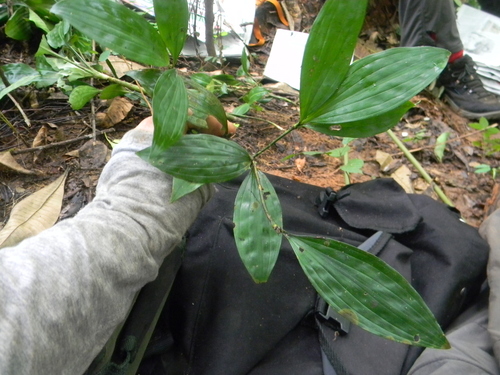
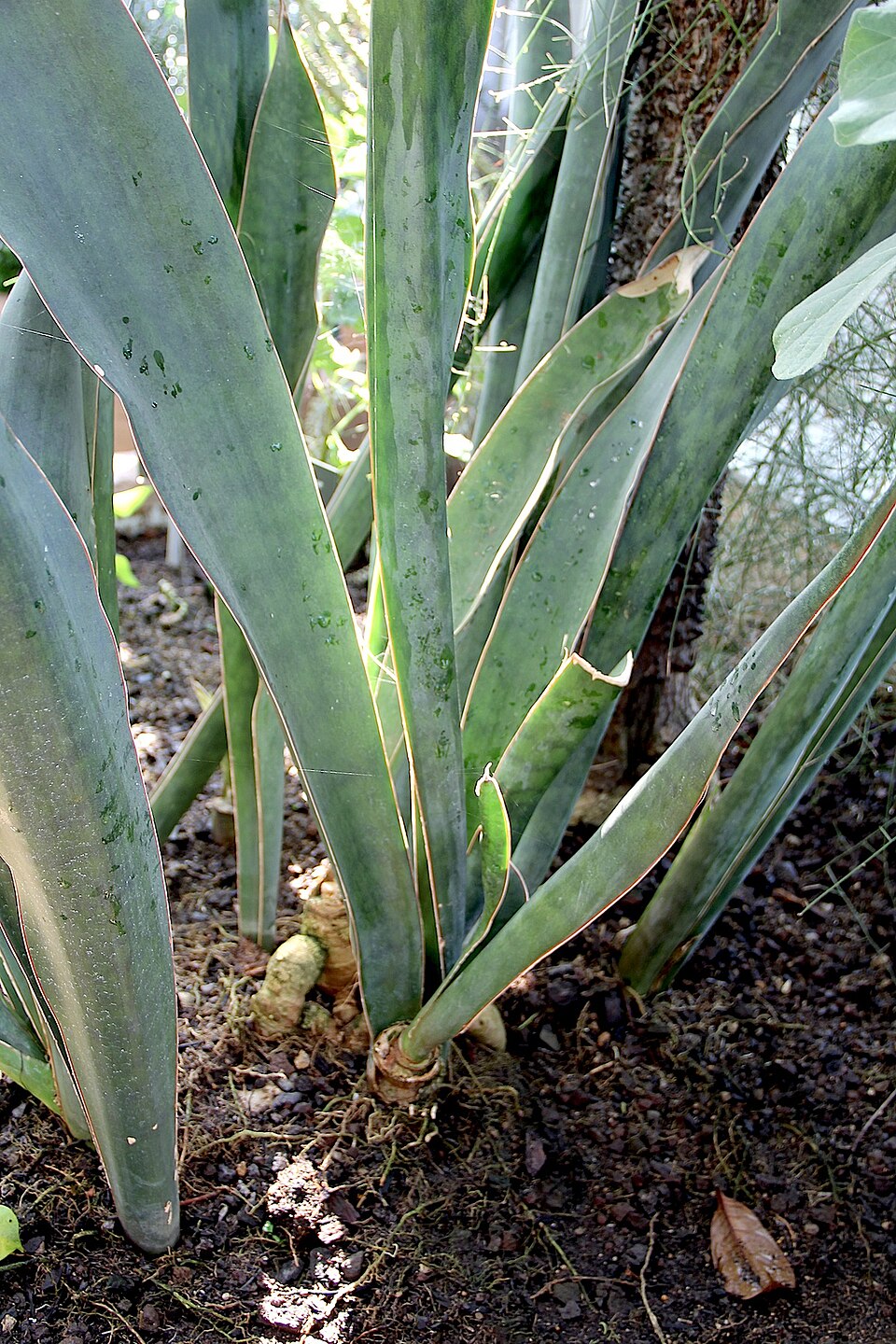
iNaturalist· cc-by-nc
(c) Duncan McKenzie, some rights reserved (CC BY-NC), uploaded by Duncan McKenzie
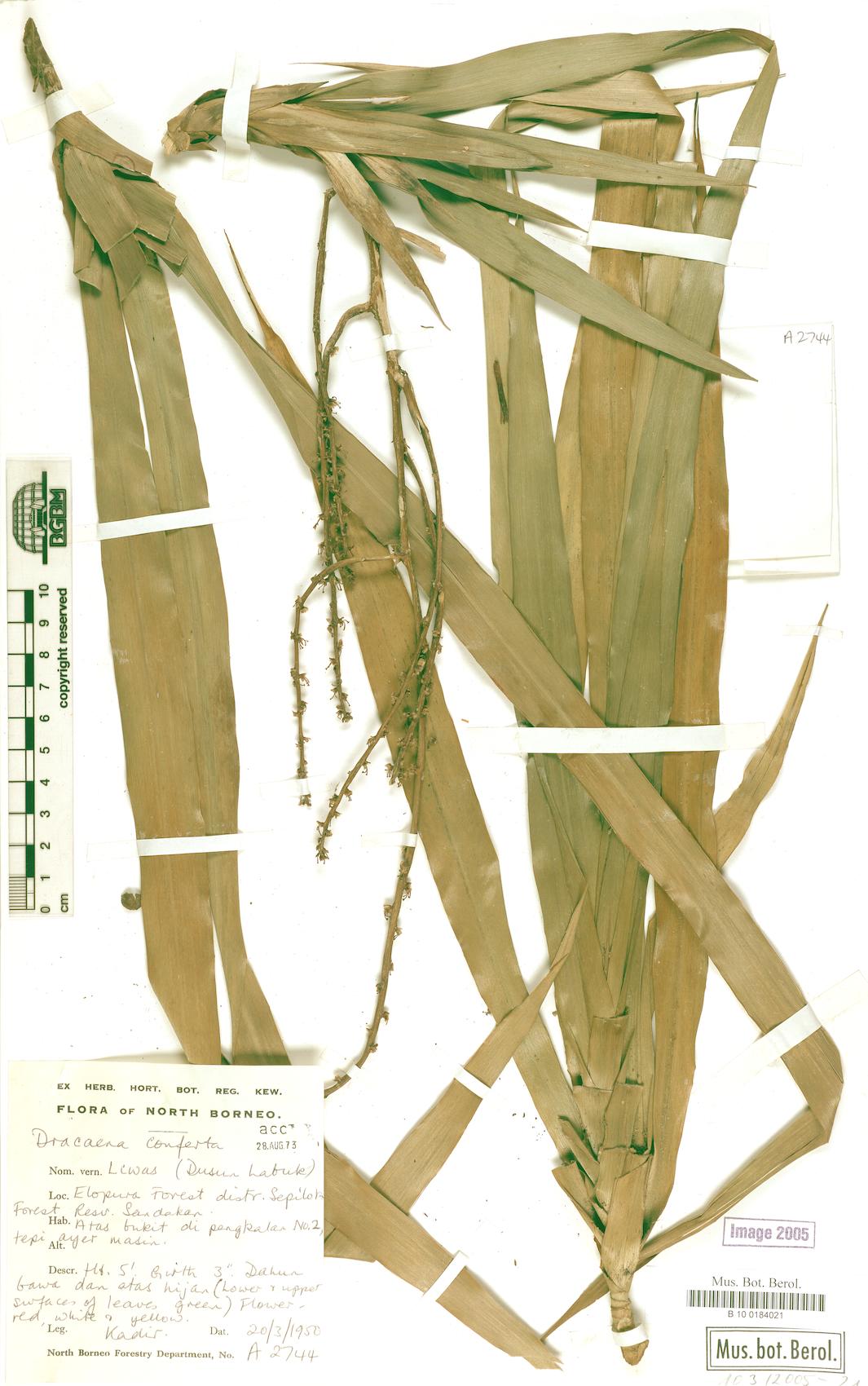
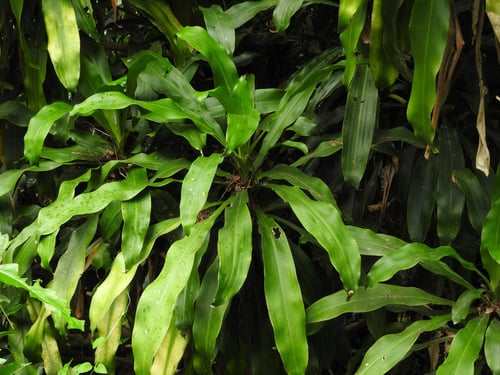
iNaturalist· cc-by-nc
(c) Chrissie Fourie, some rights reserved (CC BY-NC), uploaded by Chrissie Fourie
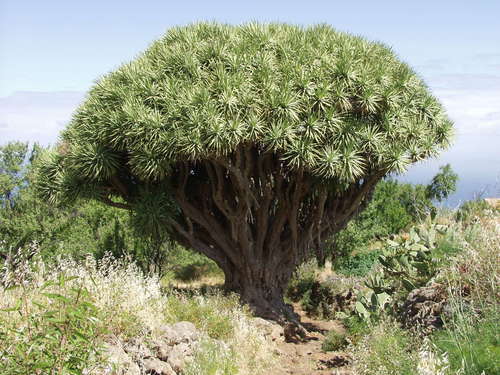
iNaturalist· cc-by-nc
(c) Reuben Heydenrych, some rights reserved (CC BY-NC), uploaded by Reuben Heydenrych
Description
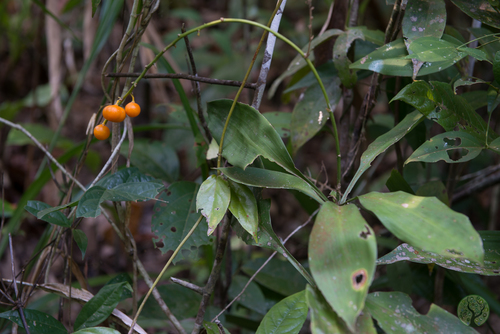
A wiry twining shrub. It grows a few metres high. It is spiny. The stems are woody and hairy and have grooves. The leaves are needle like and in rings along the branches. There are about 60 in a cluster. They are 3.5 cm long and very fine. The flowers are small and white. They have a sweet scent. The fruit are green berries that turn red as they ripen. They contain one seed.
Edible Uses
The young shoots are eaten as a vegetable, and the fruit are eaten as a snack.
Traditional Uses
The young shoots are eaten as a vegetable. The fruit are eaten as a snack.
This uses section is brief — help expand it
Distribution
It is a tropical plant. It grows on the edges of forests. It can grow on termite mounds. It grows on well-drained soils. In southern Africa it grows between 60-2,070 m altitude. It can grow in arid places.
Where It Grows
Africa, Angola, Australia, Botswana, Central Africa, East Africa, Eswatini, Lesotho, Malawi, Mozambique, Namibia, South Africa, Southern Africa, Swaziland, Zambia, Zimbabwe,
Other Information
They are an attractive food.
Notes
There are between 160-300 Asparagus species.
Synonyms
Also Known As
Katdoring, Lesitoane, Tsitsidzucua
References (17)
- Bircher, A. G. & Bircher, W. H., 2000, Encyclopedia of Fruit Trees and Edible Flowering Plants in Egypt and the Subtropics. AUC Press. p 45
- Fox, F. W. & Young, M. E. N., 1982, Food from the Veld. Delta Books. p 248
- Hedrick, U.P., 1919, (Ed.), Sturtevant's edible plants of the world. p 80
- Jardin, C., 1970, List of Foods Used In Africa, FAO Nutrition Information Document Series No 2.p 57
- Martin, F.W. & Ruberte, R.M., 1979, Edible Leaves of the Tropics. Antillian College Press, Mayaguez, Puerto Rico. p 202
Show all 17 references Hide references
- Pickering, H., & Roe, E., 2009, Wild Flowers of the Victoria Falls Area. Helen Pickering, London. p 30
- Plowes, N. J. & Taylor, F. W., 1997, The Processing of Indigenous Fruits and other Wildfoods of Southern Africa. in Smartt, L. & Haq. (Eds) Domestication, Production and Utilization of New Crops. ICUC p 186
- Roodt, V., 1998, Common Wild Flowers of the Okavango Delta. Medicinal Uses and Nutritional value. The Shell Field Guide Series: Part 2. Shell Botswana. p 36
- Royal Botanic Gardens, Kew (1999). Survey of Economic Plants for Arid and Semi-Arid Lands (SEPASAL) database. Published on the Internet; http://www.rbgkew.org.uk/ceb/sepasal/internet [Accessed 4th April 2011]
- Ruiters-Welcome, A. K., 2019, Food plants of southern Africa. Ph.D. thesis. Univ. of Johannesburg p 30
- Trav. S. Afric. 1:537. 1822
- van der Burg, W.J., 2004. Asparagus flagellaris (Kunth) Baker. [Internet] Record from Protabase. Grubben, G.J.H. & Denton, O.A. (Editors). PROTA (Plant Resources of Tropical Africa / Ressources végétales de l’Afrique tropicale), Wageningen, Netherlands. < http://database.prota.org/search.htm>. Accessed 13 October 2009.
- van Wyk, Be., & Gericke, N., 2007, People's plants. A Guide to Useful Plants of Southern Africa. Briza. p 68
- van Wyk, B-E., 2011, The potential of South African plants in the development of new food and beverage products. South African Journal of Botany 77 (2011) 857–868
- Welcome, A. K. & Van Wyk, B.-E., 2019, An inventory and analysis of the food plants of southern Africa. South African Journal of Botany 122 (2019) 136–179
- White, F., Dowsett-Lemaire, F. and Chapman, J. D., 2001, Evergreen Forest Flora of Malawi. Kew. p 95
- World Checklist of Useful Plant Species 2020. Royal Botanic Gardens, Kew