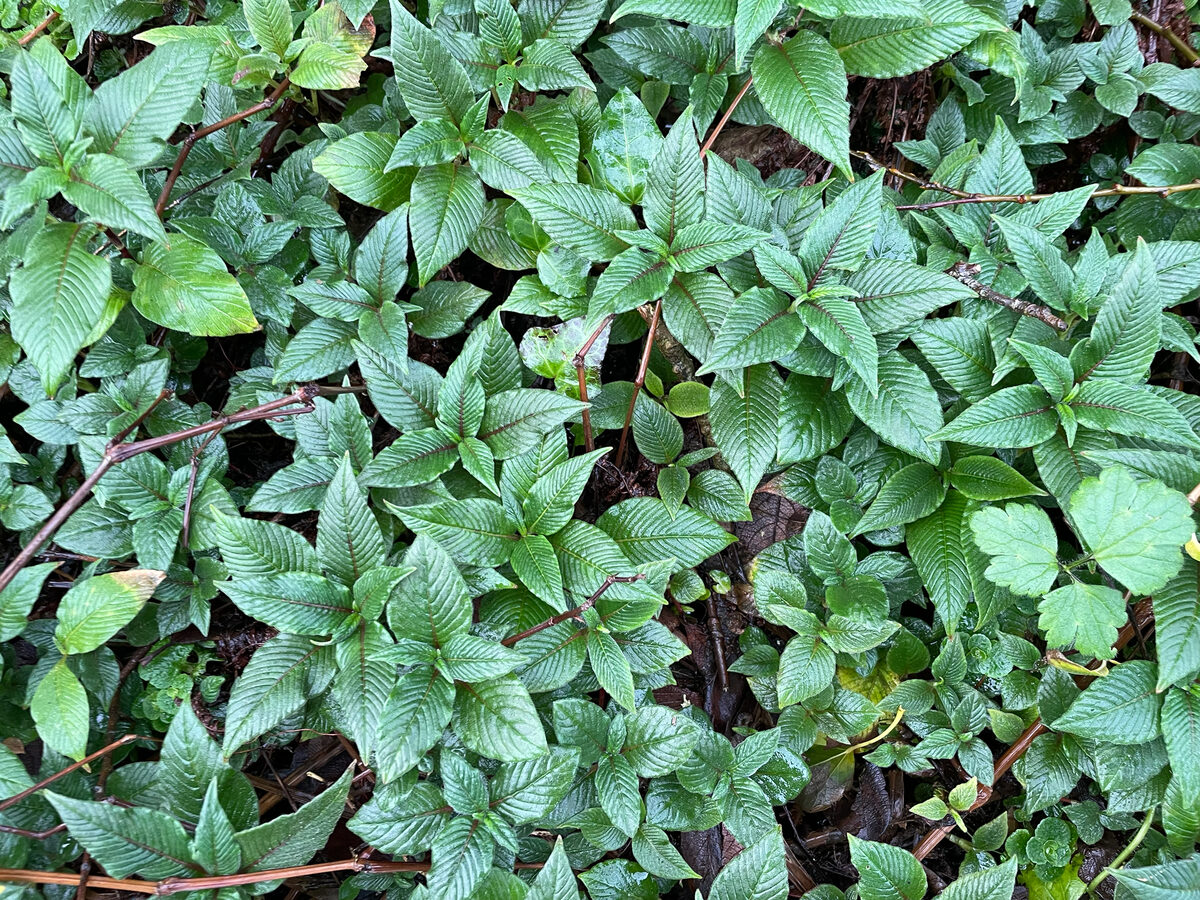
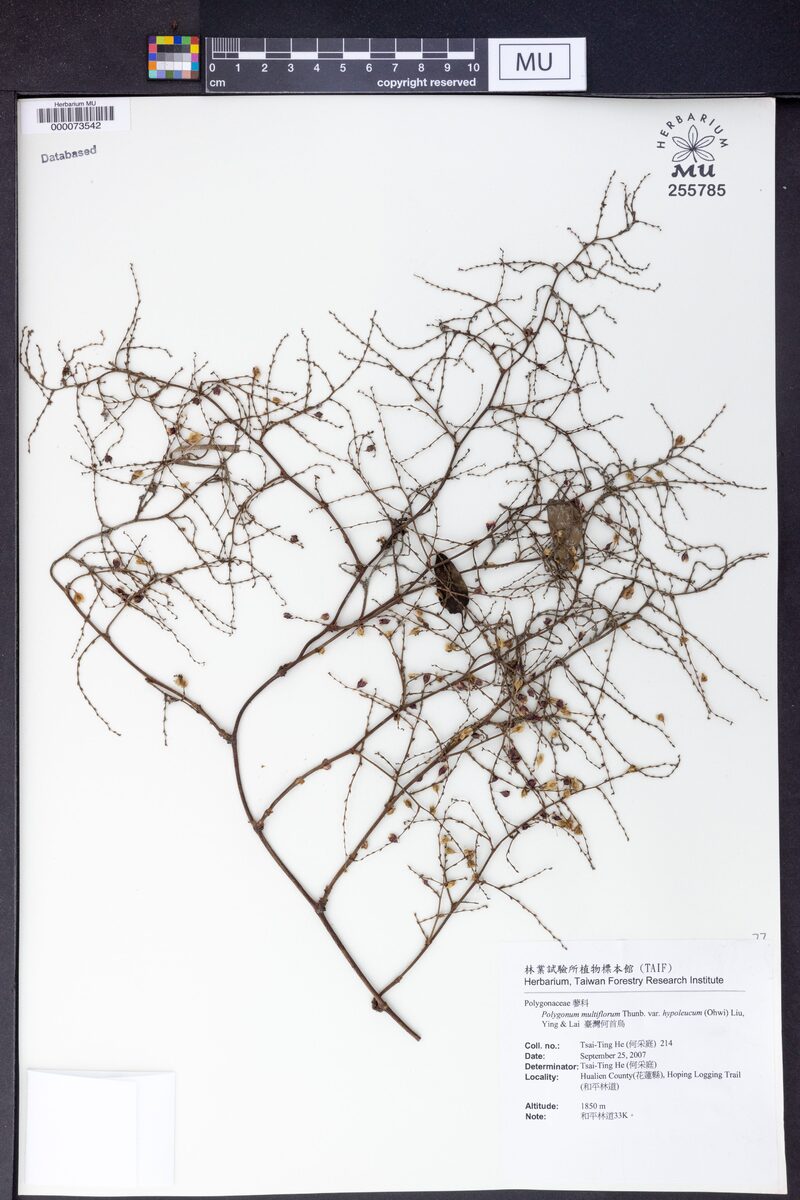
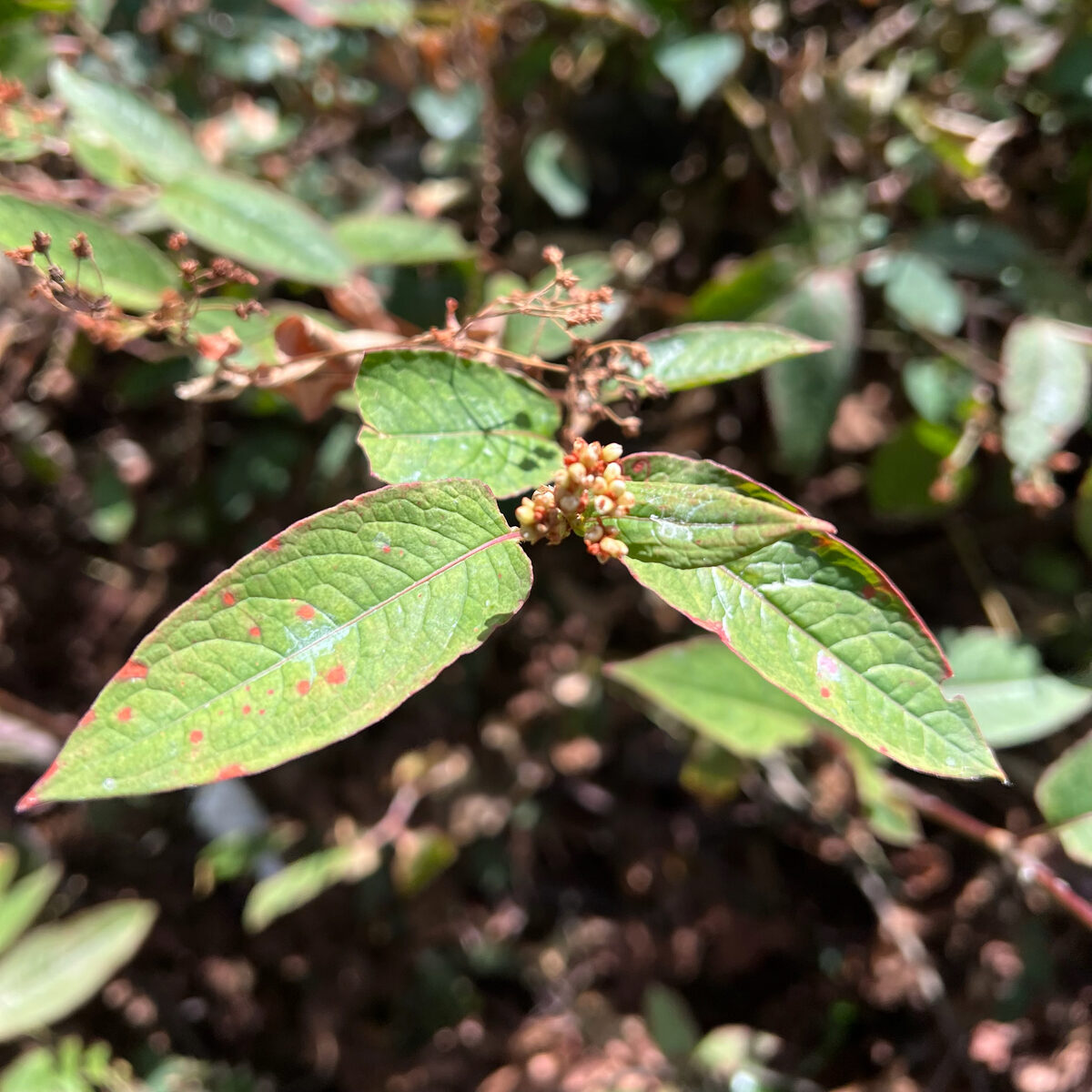
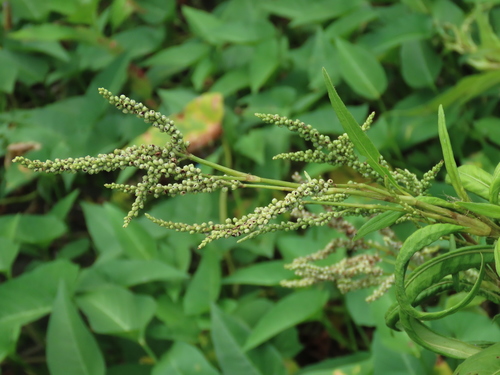
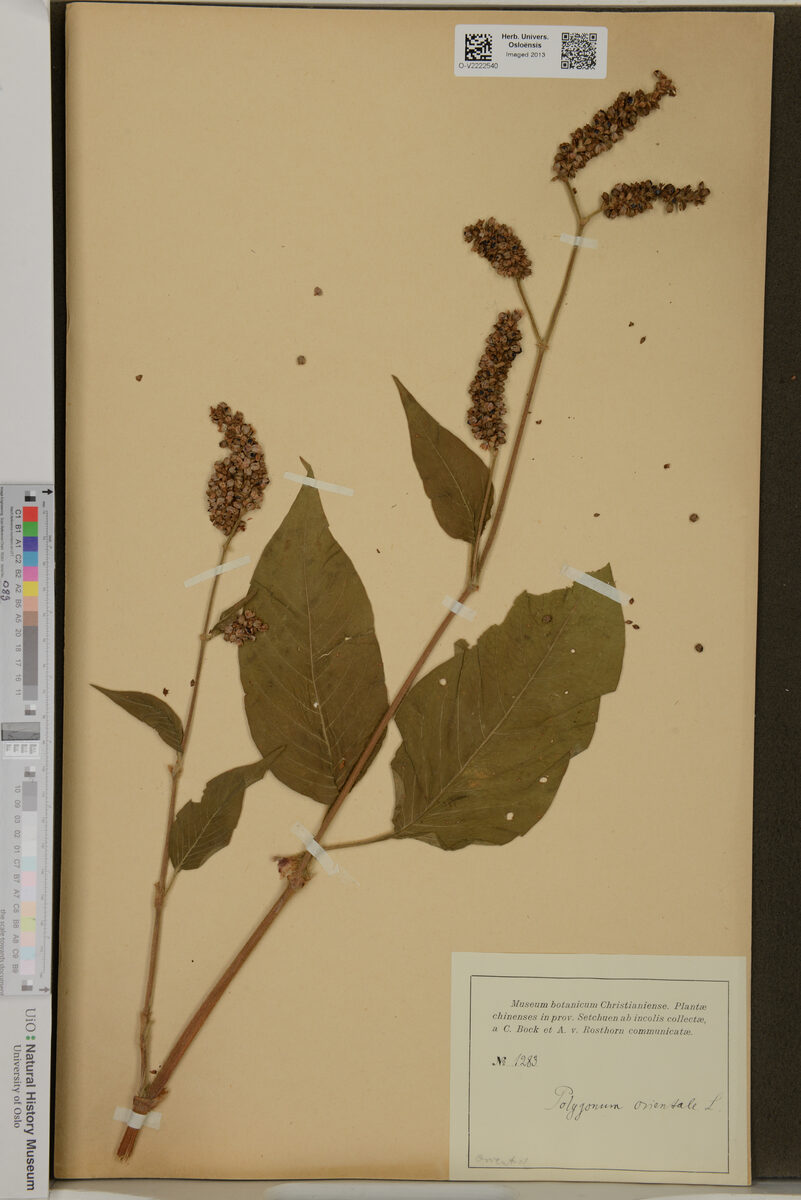
Rumex nervosus
Vahl
iNaturalist· cc-by-nc
(c) Jonathan Newman, some rights reserved (CC BY-NC), uploaded by Jonathan Newman
iNaturalist· cc-by
(c) nberhe, some rights reserved (CC BY)
Description
A tropical herb or small shrub growing up to 2 m tall with leaves 5-8 cm long.
This description is brief — help expand it
Edible Uses
The leaves are cooked and eaten as a vegetable. The inner part of the stem is eaten raw, and the shoots are eaten especially by children. The root is used as a flavouring, and the flower nectar is sucked.
Traditional Uses
The leaves are cooked and eaten as a vegetable. The inner part of the stem is eaten raw. The root is used as a flavouring. The flower nectar is sucked.
Medicinal Uses
None mentioned.
Known Hazards
None mentioned.
Distribution
It is a tropical plant.
Where It Grows
Africa, East Africa, Ethiopia, Kenya, Middle East, Saudi Arabia, Somalia, Tanzania, Yemen,
Other Information
The shoots are eaten especially by children.
Notes
There are about 200 Rumex species.
Also Known As
Abiche, Ambacho, Ango, Dhaangagoo, Dhangago, Embuacho, Inbwacho, Ithrib, Uthrub
References (12)
- Addis, G., et al, 2005, Ethnobotanical Study of Edible Wild Plants in Some Selected Districts of Ethiopia. Human Ecology, Vol. 33, No. 1, pp. 83-118
- Alemneh, D., 2020, Ethnobotany of wild edible plants in Yilmana Densa and Quarit Districts of West Gojjam Zone, Amhara Region, Ethiopia. Ethnobotany Research & Applications. 20:47
- Al-Fatimi, M. A., Wild Edible Plants Traditionally Collected and Used in Southern Yemen. Research Square. University of Aden. p 23
- Asfaw, Z., Conservation and use of traditional vegetables in Ethiopia. FAO
- Asfaw, Z. and Tadesse, M., 2001, Prospects for Sustainable Use and Development of Wild Food Plants in Ethiopia. Economic Botany, Vol. 55, No. 1, pp. 47-62
Show all 12 references Hide references
- Demise, S. & Asfaw, Z., 2020, Ethno Botanical Study of Wild Edible Plants in Adola District, Southern, Ethiopia. International Journal of Research and Analytical Reviews (IJRAR) 7(2).
- FAO, 1988, Traditional Food Plants, FAO Food and Nutrition Paper 42. FAO Rome p 433
- Feyssa, D. H., et al, 2011, Seasonal availability an consumption of wild edible plants in semiarid Ethiopia; Implications to food security and climate change adaptation. Journal of Horticulture and Forestry 3(5): 138-149
- Grubben, G. J. H. and Denton, O. A. (eds), 2004, Plant Resources of Tropical Africa 2. Vegetables. PROTA, Wageningen, Netherlands. p 564
- Lulekal, E., et al, 2011, Wild edible plants in Ethiopia: a review on their potential to combat food insecurity. Afrika Focus - Vol. 24, No 2. pp 71-121
- Molla, A., Ethiopian Plant Names. http://www.ethiopic.com/aplants.htm
- Regassa, T., et al, 2014, Ethnobotany of Wild and Semi-Wild Edible Plants of Chelia District, West-Central Ethiopia. Science, Technology and Arts Research Journal. 3(4): 122-134