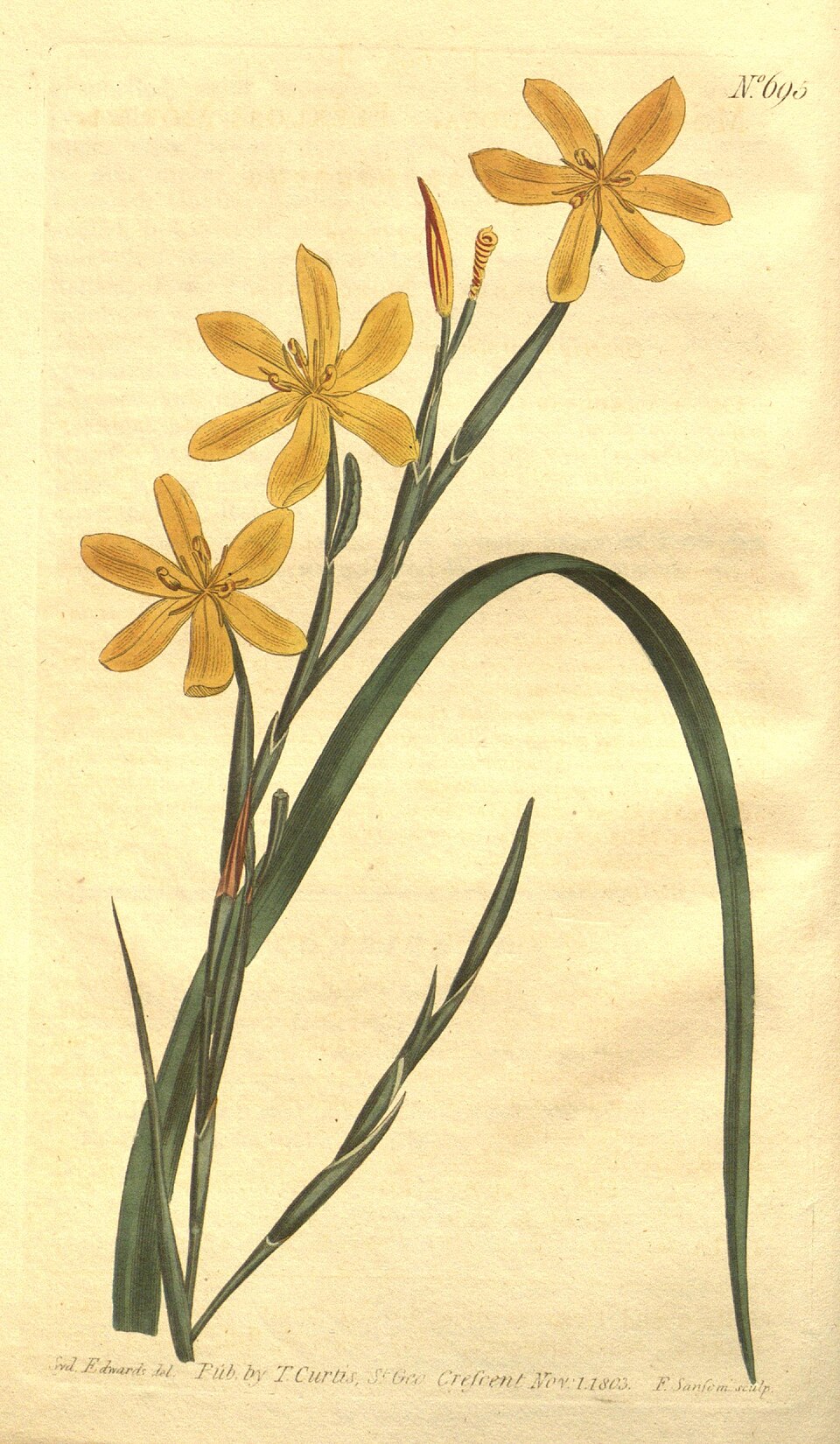
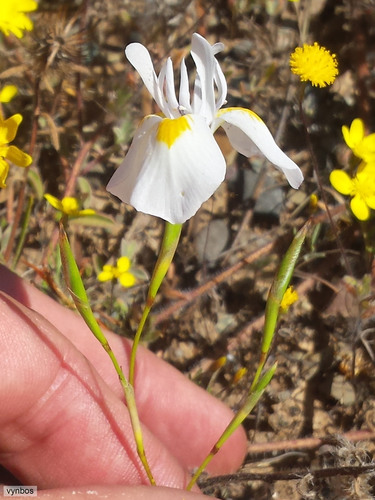
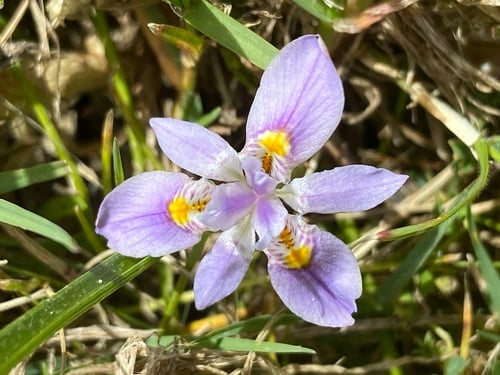
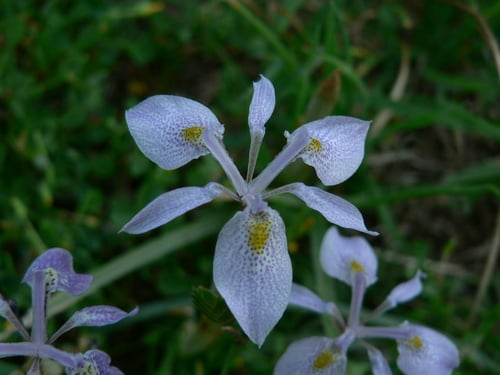
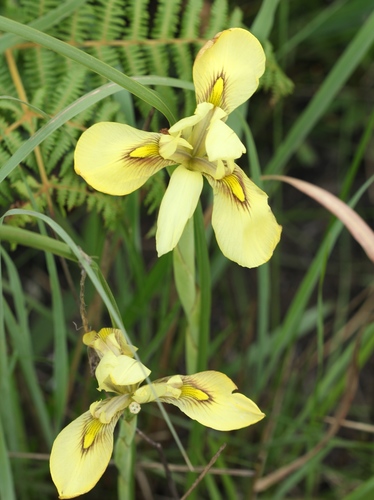
Zygotritonia bongensis
(Pax.) Mildbr.
gbif· cc-by-nc-sa
MBG
gbif· cc-by-nc-sa
MBG
gbif· cc-by
Meise Botanic Garden
Summary
Source: WikipediaZygotritonia bongensis is a perennial herb of the Iridaceae family. It is locally known as baka among the Yoruba people of Western Nigeria and it used by their traditional healers to treat diarrhea and dysentery. It is also considered a famine food as corms can be eaten during famine. Other names of the herb include Zygotritonia crocea (stapf).
Description
An erect herb. The leaves are 2 cm wide. It grows 60 cm high. The flowers are yellow-green or reddish-brown.
This description is brief — help expand it
Edible Uses
The fruit, corms, and roots are eaten.
Distribution
A tropical plant. It grows on shallow soils over rocks in the savannah in West Africa.
Where It Grows
Africa, Burkina Faso, Europe, France, Ghana, Guinea, Guinée, Mali, Nigeria, West Africa,
Other Information
It is a famine food.
Synonyms
References (7)
- Abbiw, D.K., 1990, Useful Plants of Ghana. West African uses of wild and cultivated plants. Intermediate Technology Publications and the Royal Botanic Gardens, Kew. p 31 As Zygotritonia crocea)
- Burkill, H. M., 1985, The useful plants of west tropical Africa, Vol. 2. Kew. As Zygotritonia crocea)
- Grivetti, L. E., 1980, Agricultural development: present and potential role of edible wild plants. Part 2: Sub-Saharan Africa, Report to the Department of State Agency for International Development. p 24 As Zygotritonia crocea)
- Jardin, C., 1970, List of Foods Used In Africa, FAO Nutrition Information Document Series No 2.p 111 As Zygotritonia crocea)
- Irvine, (As Zygotritonia crocea)
Show all 7 references Hide references
- Lim, T. K., 2015, Edible Medicinal and Non Medicinal Plants. Volume 9, Modified Stems, Roots, Bulbs. Springer p 88
- World Checklist of Useful Plant Species 2020. Royal Botanic Gardens, Kew