Xanthocercis zambesiaca
(Baker) Dumaz-le Grand
Nyala tree
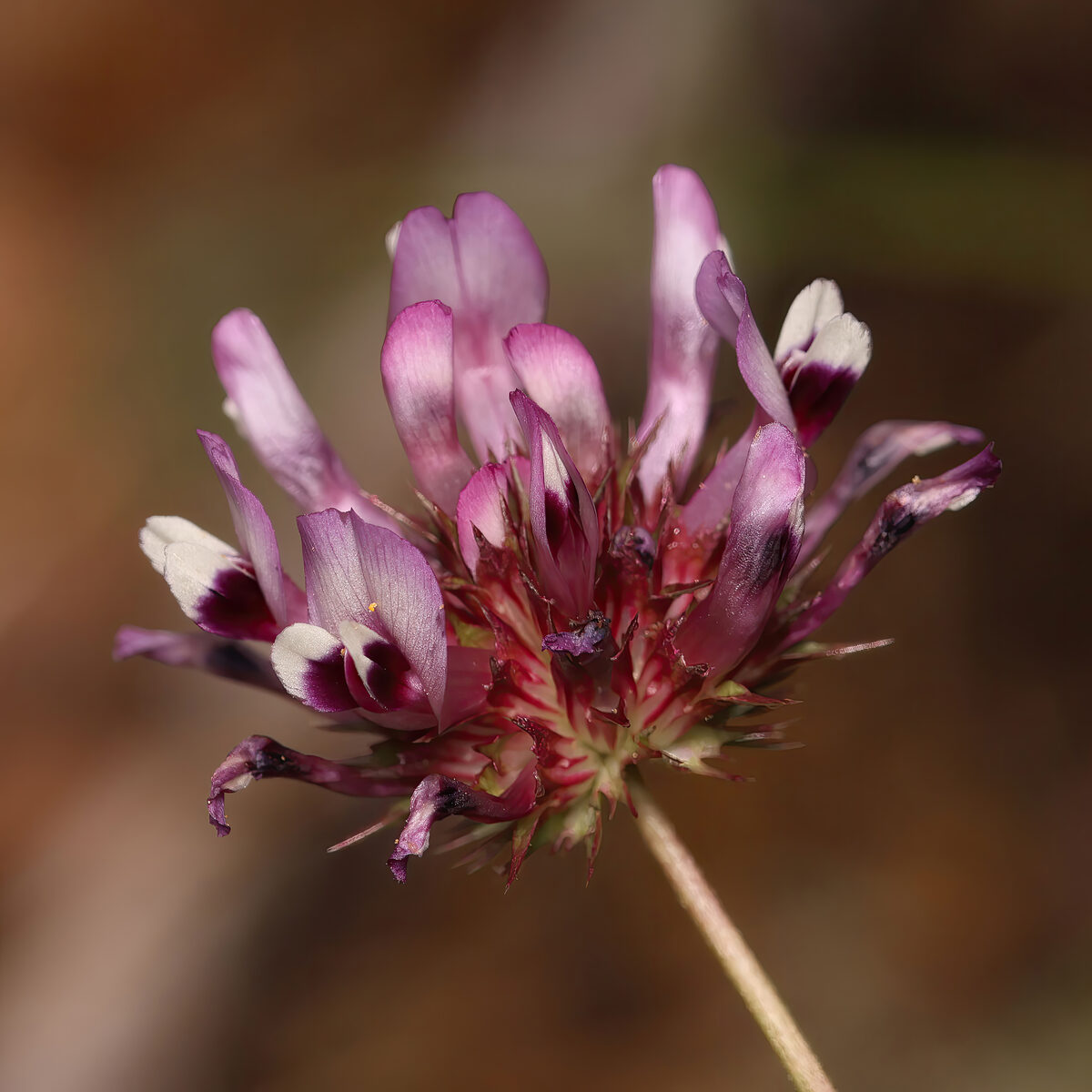
iNaturalist· cc-by-nc
(c) Mark Hyde, Bart Wursten and Petra Ballings, some rights reserved (CC BY-NC)
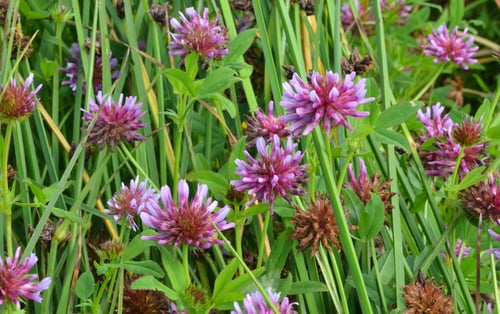
iNaturalist· cc-by
(c) agujaceratops, some rights reserved (CC BY)
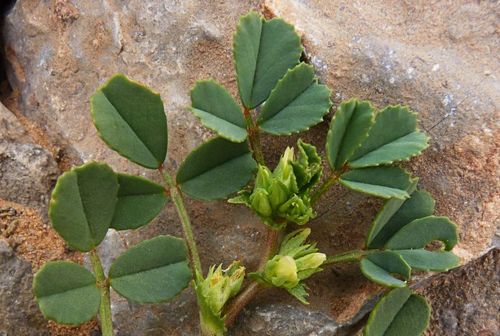
iNaturalist· cc-by-nc
(c) Troos van der Merwe, some rights reserved (CC BY-NC)
Summary
Source: WikipediaXanthocercis zambesiaca, the nyala tree or mshatu, is a species of legume in the family Fabaceae which is native to the southern subtropics of Africa. It occurs in seasonally hot, low-lying river valleys of Botswana, Malawi, Mozambique, South Africa, Zambia and Zimbabwe. Nyala trees grow on alluvium or termite mounds where they have access to plentiful moisture and deep, fertile soil. They occur sparsely in the eastern lowveld of Southern Africa, but are more prolific in the Limpopo valley and along the Tuli Block's Shashe River, where they are known as mshatu trees. The foliage and fruit, which ripen in autumn and winter, provide food for various vertebrates. The Nyala tree is a phreatophyte – it indicates the presence of ground water. The wood of a nyala tree can be worked, finishing with a smooth appearance, but irritates the nose and throat in the process.
Description
A large tree. It is evergreen. The crown is rounded. It can be 25-30 m tall. The small branches hang down from the main stem. The leaves are alternate and compound. There are up to 7 pairs of leaflets and a leaflet at the end. The leaflets are oval and 5.5 cm long by 2 cm wide. They are green and glossy above and paler green underneath. The base is unequal. The flowers are small and white. They are almost pea shaped and rose scented. They occur in short sprays. These are 5-10 cm long. The fruit are almost like a large berry. They are 2.5 cm long and 1.7 cm wide. They are yellowish-brown when ripe. They contain a floury, fleshy, sticky pulp and a single black shiny seed. The fruit are edible.
Edible Uses
The fruit can be eaten raw or cooked, or stored for several weeks then made into porridge or dried and ground into meal.
Traditional Uses
The fruit can be eaten raw or fresh. They are also cooked. They are also stored for several weeks and the resulting mass made into porridge or dried and ground into a meal.
Known Hazards
The sawdust strongly irritates the mucous membranes; protective measures are needed during sawing operations.
Distribution
A tropical plant. It grows at low altitude in hot areas. It often grows in alluvial soils along river valleys. Plants will tolerate slight frosts. It can grow in arid places. Brisbane Botanical Gardens.
Where It Grows
Africa, Australia, Botswana, East Africa, Eswatini, Madagascar, Malawi, Mozambique, South Africa, Southern Africa, Swaziland, Zambia, Zimbabwe,
Cultivation
Seeds germinate easily. Seedlings can die from damping off.
Other Uses
The wood is occasionally used although it strongly irritates the nose and throat during working.
Production
Plants grow slowly.
Other Information
It is a famine food.
Notes
There are 2 Xanthocercis species.
Nutrition
| Part | Moisture | kJ | kcal | Protein | Vit A | Vit C | Iron | Zinc |
|---|---|---|---|---|---|---|---|---|
| Seeds | 9 | 1733 | 415 | 11.2 | — | — | 3.7 | — |
| Fruit | 13.1 | 1349 | 323 | 2.9 | — | — | 2.4 | 1 |
Synonyms
Also Known As
Bwembya, Mucequere, Muchet-uchetu, Musharo, Mutsha, Mutshato, Ncharro, Njalaboom, Nongwe, Saro
References (24)
- Bull. Soc. Bot. France 99:314. 1953
- Fowler, D. G., 2007, Zambian Plants: Their Vernacular Names and Uses. Kew. p 41
- Fox, F. W. & Young, M. E. N., 1982, Food from the Veld. Delta Books. p 225
- Grivetti, L. E., 1980, Agricultural development: present and potential role of edible wild plants. Part 2: Sub-Saharan Africa, Report to the Department of State Agency for International Development. p 72 (As Pseudocadia zambesiaca)
- ILDIS Legumes of the World http:www:ildis.org/Legume/Web
Show all 24 references Hide references
- INFOODS:FAO/INFOODS Databases
- Jardin, C., 1970, List of Foods Used In Africa, FAO Nutrition Information Document Series No 2.p 156 (As Pseudocadia zambesiaca)
- Joffe, P., 2007, Creative Gardening with Indigenous Plants. A South African Guide. Briza. p 128
- Kew Plants of the World Online
- Magwede, K., van Wyk, B.-E., & van Wyk, A. E., 2019, An inventory of Vhavenḓa useful plants. South African Journal of Botany 122 (2019) 57–89
- Menninger, E.A., 1977, Edible Nuts of the World. Horticultural Books. Florida p 101
- Palgrave, K.C., 1996, Trees of Southern Africa. Struik Publishers. p 297
- Palmer & Pitman, 972,
- Peters, C. R., O'Brien, E. M., and Drummond, R.B., 1992, Edible Wild plants of Sub-saharan Africa. Kew. p 140
- Royal Botanic Gardens, Kew (1999). Survey of Economic Plants for Arid and Semi-Arid Lands (SEPASAL) database. Published on the Internet; http://www.rbgkew.org.uk/ceb/sepasal/internet [Accessed 1st May 2011]
- Ruiters-Welcome, A. K., 2019, Food plants of southern Africa. Ph.D. thesis. Univ. of Johannesburg p 63
- Schmidt, E., Lotter, M., & McCleland, W., 2007, Trees and shrubs of Mpumalanga and Kruger National Park. Jacana Media p 226
- Scudder, 1962, 1971,
- Tredgold, M.H., 1986, Food Plants of Zimbabwe. Mambo Press. p 137
- van Wyk, B, van Wyk, P, and van Wyk B., 2000, Photographic guide to Trees of Southern Africa. Briza. p 322
- van Wyk, Ben-Erik, 2019, The diversity and multiple uses of southern African legumes. Australian Systematic Botany, 2019, 32, 519–546
- Wehmeyer, A. S, 1986, Edible Wild Plants of Southern Africa. Data on the Nutrient Contents of over 300 species
- Welcome, A. K. & Van Wyk, B.-E., 2019, An inventory and analysis of the food plants of southern Africa. South African Journal of Botany 122 (2019) 136–179
- World Checklist of Useful Plant Species 2020. Royal Botanic Gardens, Kew