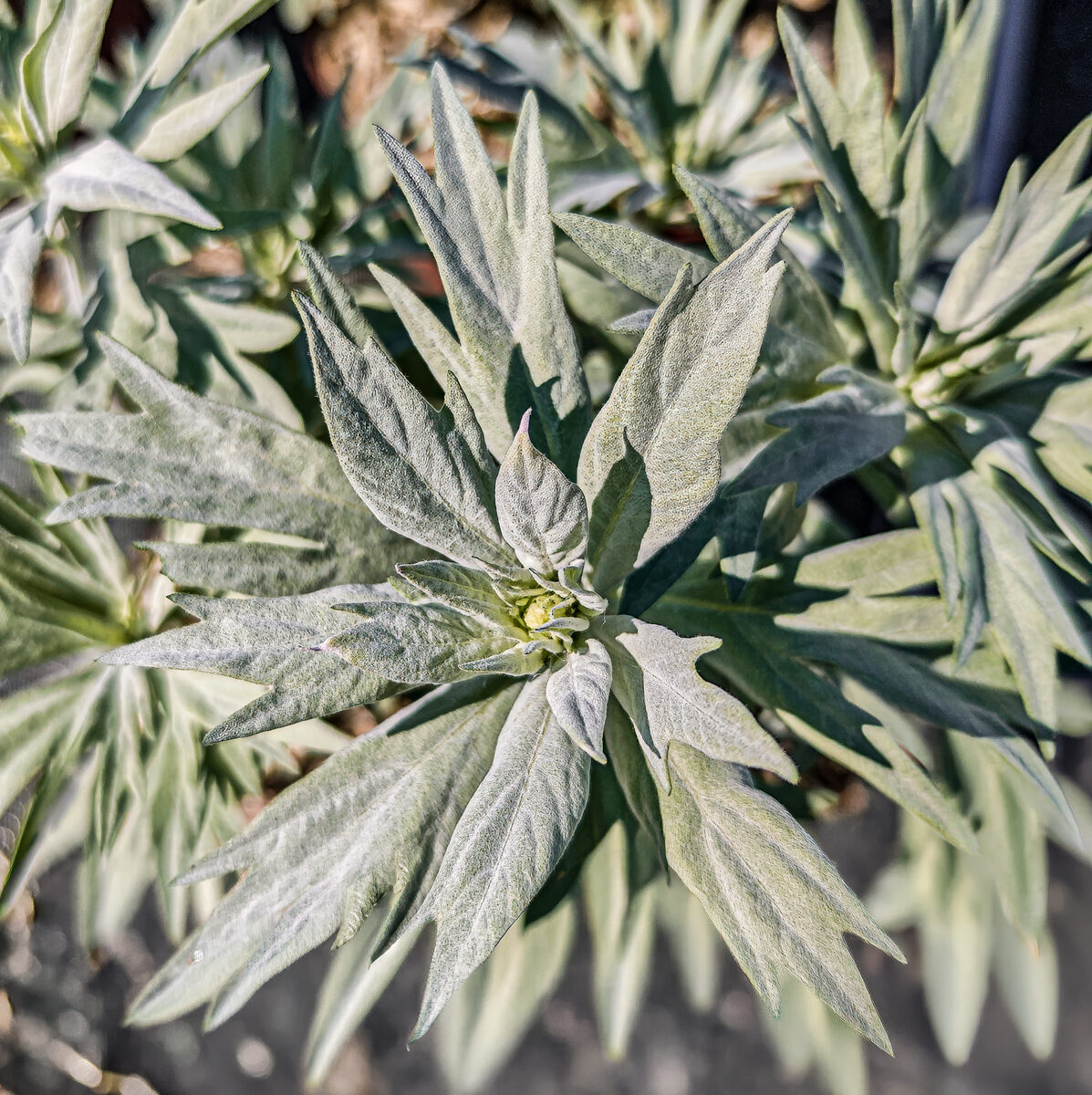
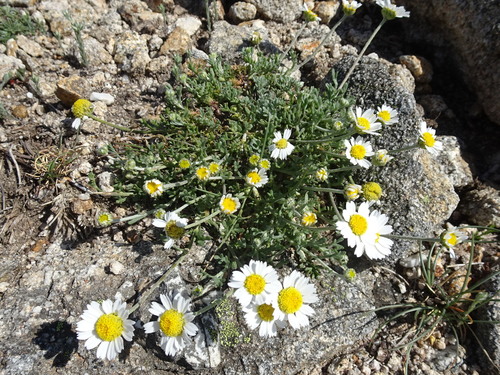
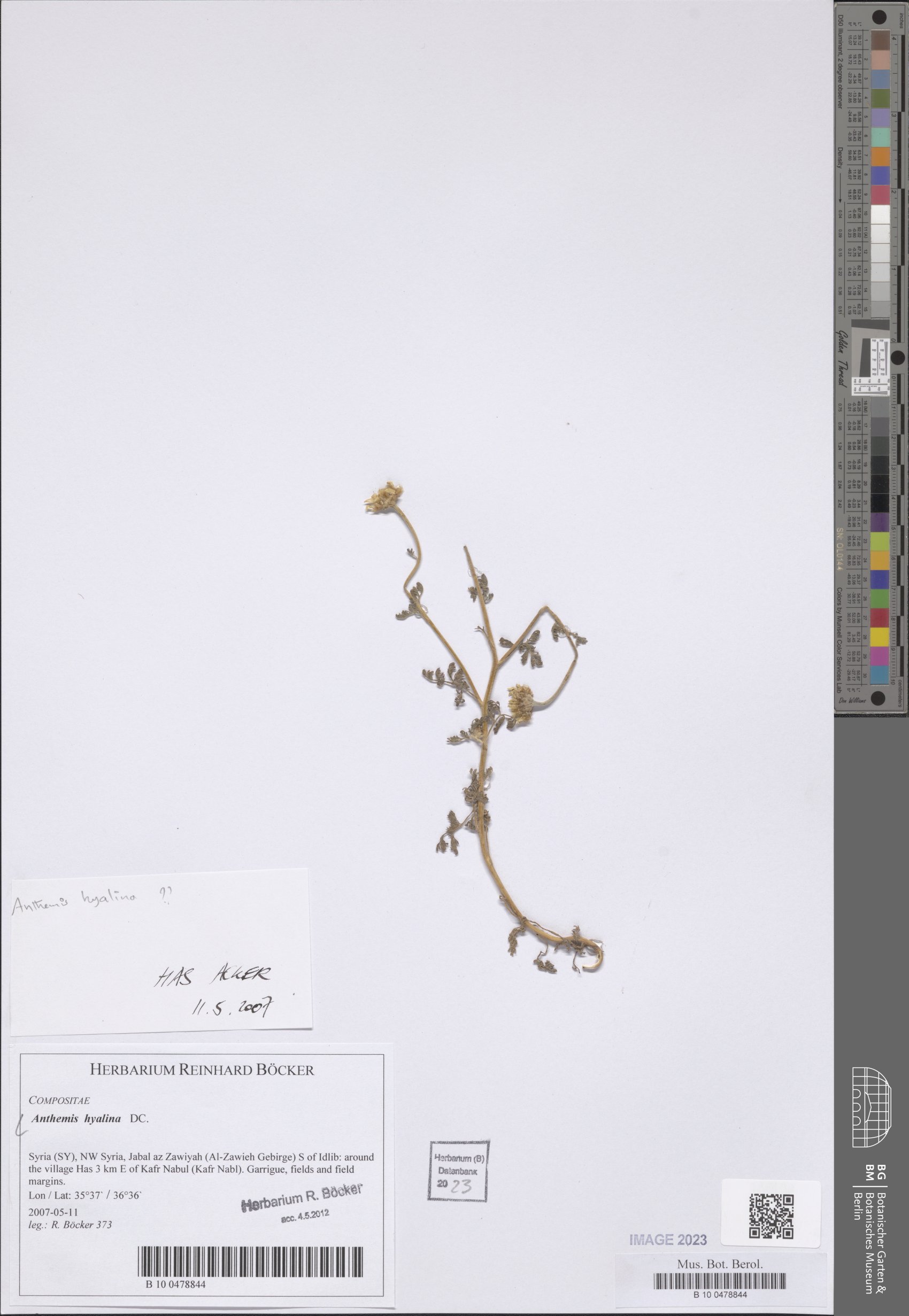
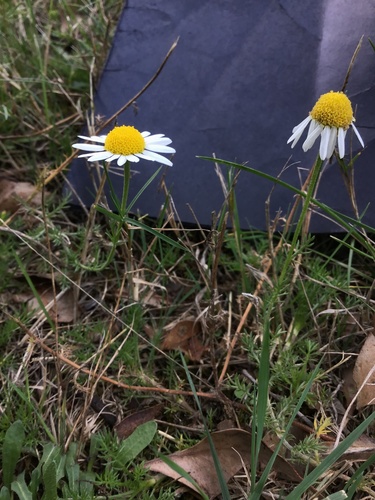
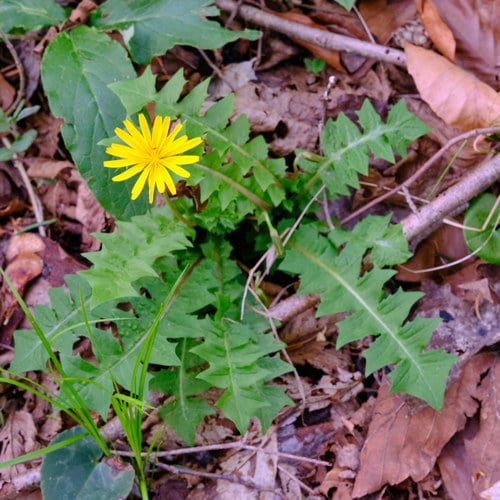
Wyethia angustifolia
(DC.) Nutt.
California compass plant
iNaturalist· cc-by-nc
(c) kqedquest, some rights reserved (CC BY-NC)
iNaturalist· cc-by-nc
(c) Emily Scherer, some rights reserved (CC BY-NC)
Summary
Source: WikipediaWyethia angustifolia is a species of flowering plant in the family Asteraceae known by the common names California compassplant and narrowleaf mule's ears. It is native to the west coast of the United States from Washington to California, where it grows in grassland, meadows, and other open habitat. It is a perennial herb growing from a tough taproot and caudex unit and producing a stem 30 to 90 centimeters tall. The leaves have lance-shaped blades up to 50 centimeters tall. The inflorescence produces one or more large sunflower-like flower heads at the top of the hairy stem. The head has narrow, hairy phyllaries at the base. It contains up to 21 yellow ray florets each up to 4.5 centimeters long and many yellow disc florets. The fruit is an achene which may be nearly 2 centimeters long including its pappus.
Description
Perennial reaching 1 m in height, hardy to UK zone 9. Flowers August to October. Hermaphroditic and insect-pollinated. Grows well in light sandy to medium loamy, well-drained soils with mildly acid to basic pH. Requires full sun and prefers moist soil.
Edible Uses
The seeds are cooked and can be used as a piñole, dried and ground into a powder to thicken soups, or mixed into cereal flours when making bread. Young leaves can be eaten raw.
Traditional Uses
The seeds are eaten in pinole. The stems are eaten raw. The seeds are dried and stored for later use.
This uses section is brief — help expand it
Medicinal Uses
A poultice of pounded root has been used to draw blisters. A decoction of the leaves can be used as a bath to promote perspiration and treat fevers.
Distribution
It is a temperate plant.
Where It Grows
North America, USA,
Propagation
Sow seed in a greenhouse or cold frame in early spring using a very freely-draining compost. Prick out seedlings into individual pots as soon as they are large enough to handle, then plant out into permanent positions when sufficiently established. The crown can also be carefully divided as plants come into growth in spring.
Other Uses
A lemon-yellow dye is obtained from the flowers. A gold to brass dye can be obtained from a combination of the flowers, leaves, and stems.
Also Known As
Soorokwa
References (6)
- Anderson, M. K., 2012, Edible Seeds and Grains of California Tribes and the Klamath Tribe of Oregon in the Phoebe Apperson Hearst Museum of Anthropology Collections, University of California, Berkeley. USDA p 54
- Bocek, B. R., 1984, Ethnobotany of Costanoan Indians, California, Based on Collections by John P. Harrington. Economic Botany 38(2): 240-255
- Moerman, D. F., 2010, Native American Ethnobotany. Timber Press. p 601
- Plants for a Future database, The Field, Penpol, Lostwithiel, Cornwall, PL22 0NG, UK. http://www.scs.leeds.ac.uk/pfaf/
- Trans. Amer. Philos. Soc. ser. 2, 7:352. 1840
Show all 6 references Hide references
- World Checklist of Useful Plant Species 2020. Royal Botanic Gardens, Kew