Volvariella volvacea
(Bull. Fr.) Singer
Chinese mushroom, Paddy-straw mushroom
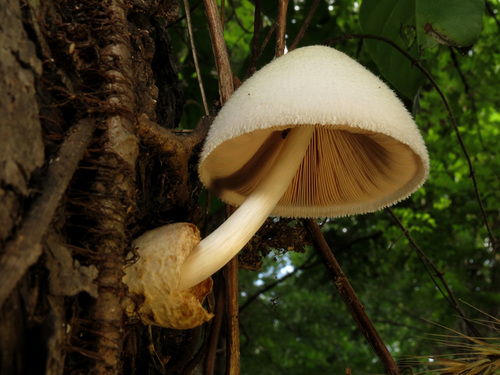
iNaturalist· cc-by-nc
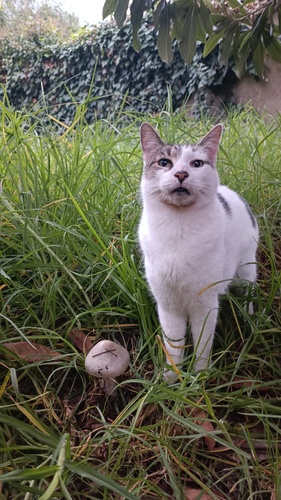
(c) gena of Jesus, some rights reserved (CC BY-NC), uploaded by gena of Jesus
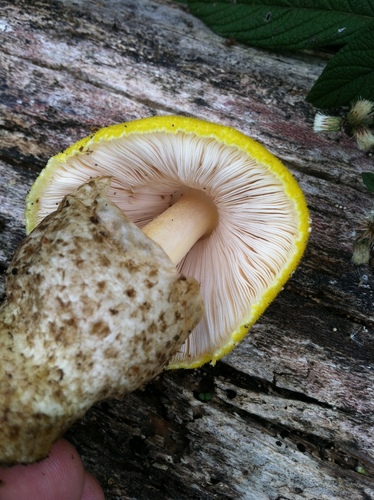
iNaturalist· cc-by-nc-sa
(c) John Plischke, some rights reserved (CC BY-NC-SA), uploaded by John Plischke
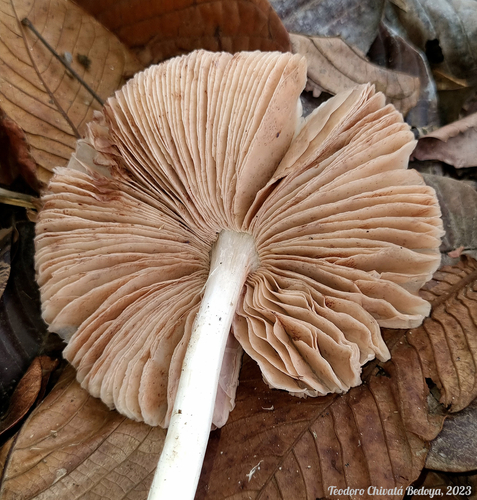
iNaturalist· cc-by-nc
(c) zayzayem, some rights reserved (CC BY-NC), uploaded by zayzayem
Summary
Source: WikipediaVolvariella volvacea (also known as paddy straw mushroom or straw mushroom) is a species of edible mushroom cultivated throughout East and Southeast Asia and used extensively in Asian cuisine. They are often available fresh in regions where they are cultivated, but elsewhere are more frequently found canned or dried. Worldwide, straw mushrooms are the third-most-consumed mushroom.
Description
A small, round mushroom in the Pluteaceae family, cultivated on straw in tropical regions. Dried and canned products are widely available in markets.
This description is brief — help expand it
Edible Uses
The fruiting bodies are cooked and eaten, commonly canned or dried for later use. They are prepared in soups, sauces, stews, casseroles, omelettes, and steamed and stir-fried dishes.
Traditional Uses
The fruiting bodies are cooked and eaten. They are often canned. They are also dried for later use. They are used in soups, sauces, stews, casseroles, omelettes and steamed and stir-fried dishes.
Distribution
A tropical plant. It is grown on straw.
Where It Grows
Africa, Asia, Benin, Cambodia, Cameroon, Central Africa, Central African Republic, CAR, China, Congo DR, East Africa, Europe, Gabon,Ghana, Himalayas, Hong Kong, India, Indochina, Indonesia, Italy, Laos, Liberia, Madagascar, Malawi, Malaysia, Mauritius, Mediterranean, Mexico, Nepal, Nigeria, North America, Pacific, Philippines, Reunion, Sicily, SE Asia, South Africa, Southern Africa, Tanzania, Thailand, Togo, West Africa, Zimbabwe,
Other Information
It is cultivated. Dried and canned products are available in markets.
Dangerous Lookalikes
This plant can be confused with the following toxic species. Always verify identification carefully before consuming any wild plant.
Death Cap
Amanita phalloides
Archenzo
Chinese mushroom
Volvariella volvacea
(c) gena of Jesus, some rights reserved (CC BY-NC), uploaded by gena of Jesus
Death Cap: White/olive-green spore print, greenish-yellow/olive cap, white volva, ring on stem, grows under oak trees.
Chinese mushroom: Pink spore print, dark brown/grey cap, prominent volva, typically cultivated not wild-harvested.
Synonyms
Also Known As
Cao gu, Ero mkpu, Fukuro take, Het feuong, Mkongyo, Okotoroko, Paaou kekpeka, Paddy mushroom, Paraley, Straw mushroom
References (26)
- Boa, E. R., 2004, Wild edible fungi and their importance to people. FAO Non Wood Forest Products Booklet 17
- Burkill, I.H., 1966, A Dictionary of the Economic Products of the Malay Peninsula. Ministry of Agriculture and Cooperatives, Kuala Lumpur, Malaysia. Vol 2 (I-Z) p 2292 (As Volvaria volvacea var edulis)
- Buyck, B., 2008, The Edible Mushrooms of Madagascar: An Evolving Enigma. Economic Botany 62(3) pp. 509-520
- Chin, H. F., 1999, Malaysian Vegetables in Colour. Tropical Press. p 106
- Dongol, et al, 1995, Edible Mushrooms in Nepal
Show all 26 references Hide references
- efta-online.org, Edible Fungi of Tropical Africa, Jardin botanique Meise
- Facciola, S., 1998, Cornucopia 2: a Source Book of Edible Plants. Kampong Publications, p 253
- Grivetti, L. E., 1980, Agricultural development: present and potential role of edible wild plants. Part 2: Sub-Saharan Africa, Report to the Department of State Agency for International Development. p 28 (As Volvaria volvacea)
- Hall, I. R., et al, 2003, Edible and Poisonous Mushrooms of the World. Timber Press. p 183
- Herklots,
- Hwang, L. C., et al, 2020, Traditional Botanical Uses of Non-Timber Forest Products (NTFP) in Seven Counties in Liberia. ACS Symposium Series; American Chemical Society: Washington, DC, 2020.
- Irvine, F.R., 1952, Supplementary and emergency food plants of West Africa. Economic Botany 6:23-40
- Jacquat, C., 1990, Plants from the Markets of Thailand. D.K. Book House p 29
- Kiple, K.F. & Ornelas, K.C., (eds), 2000, The Cambridge World History of Food. CUP p 318, 1819
- Lentini, F. and Venza, F., 2007, Wild food plants of popular use in Sicily. J Ethnobiol Ethnomedicine. 3: 15
- Mulherin, J., 1994, Spices and natural flavourings. Tiger Books, London. p 61
- Okigbo, R. N. & Nwatu, C.M., 2015, Ethnostudy and Usage of Edible and Medicinal Mushrooms in Some Parts of Anambra State, Nigeria. Natural Resources, 2015, 6, 79-89
- Pace, G., 1998, Mushrooms of the world. Firefly books. p 43
- Purkayastha, 1978,
- Solomon, C., 2001, Encyclopedia of Asian Food. New Holland. p 240
- Sunrinrut, P. et al, 1987, Protein, amino acids and some major and trace elements in Thai and Norwegian mushrooms. Plant Foods for Human Nutrition. 37:117-125
- Thatoi, H. & Singdevsachan, S. K., 2014, Diversity, nutritional composition and medicinal potential of Indian mushrooms: A review. African Journal of Biotechnology 13(4): 523-545
- Tibuhwa, 2013, Wild Mushroom - an underutilized healthy food resource and income generator: experience from Tanzania rural areas. Journal of Ethnobiology and Ethnomedicine 9:49
- Uphof,
- van Dijk, H., et al, 2003, Knowledge and Utilization of Edible Mushrooms by Local Populations of the Rain Forest of South Cameroon. Ambio Vol. 32, No. 1.pp 19-23
- Waters, C T, Morgan, W C, McGeary, D J, 1992, Oriental Vegetables. AgMedia, Victoria, Australia p 106