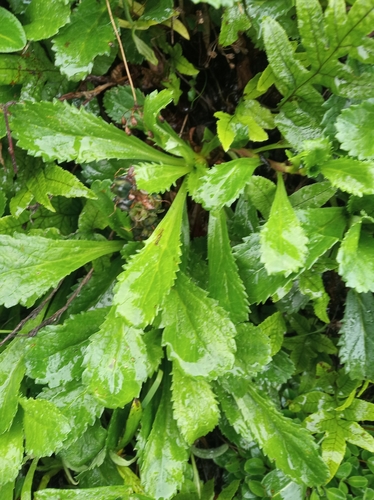
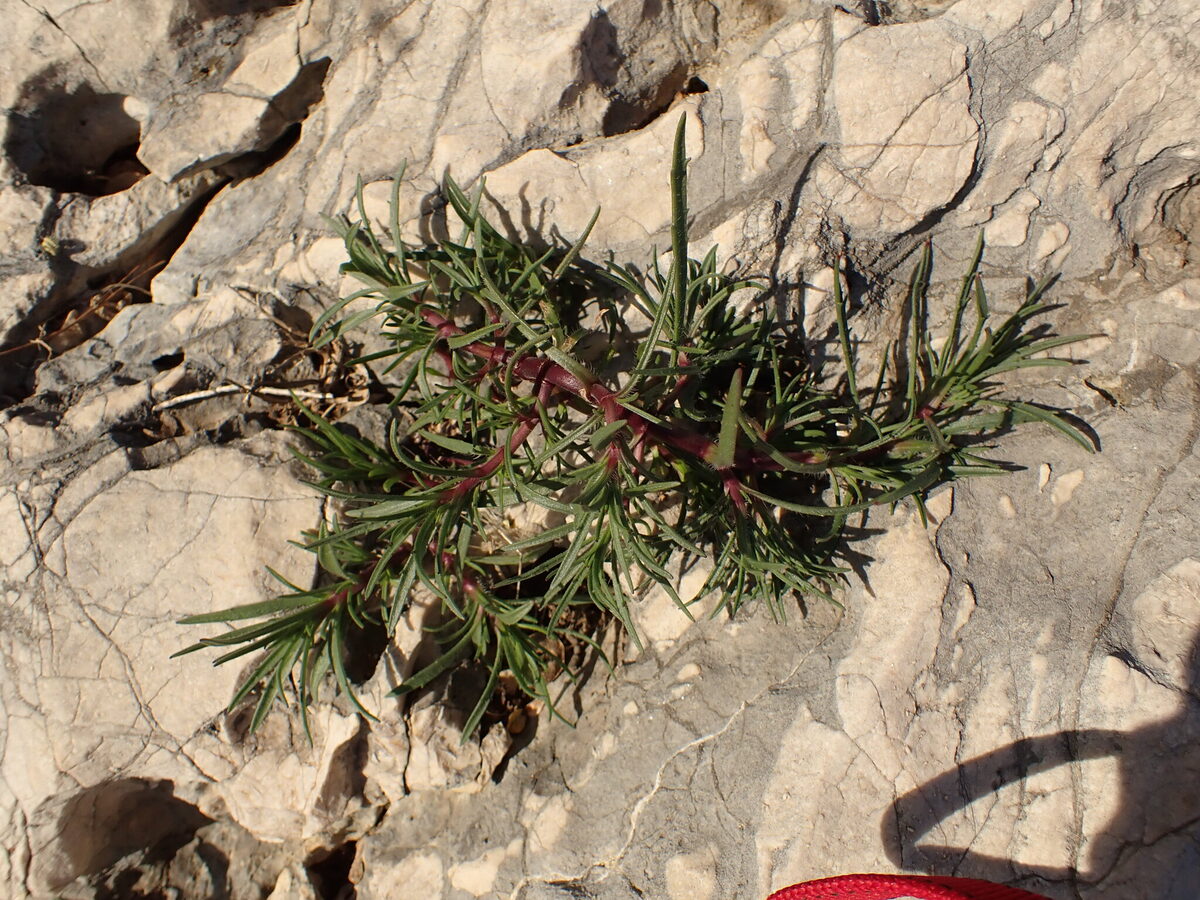
Veronica chamaedrys
L.
Germander speedwell, Bird's Eye Speedwell, Angel's eyes
iNaturalist· cc-by
(c) Joseph Hubbard, some rights reserved (CC BY), uploaded by Joseph Hubbard
iNaturalist· cc-by-nc
(c) J. IGNASI, some rights reserved (CC BY-NC), uploaded by J. IGNASI
iNaturalist· cc-by-nc
(c) nicelias, some rights reserved (CC BY-NC)
Summary
Source: WikipediaVeronica chamaedrys, the germander speedwell, bird's-eye speedwell, or cat's eyes, is a herbaceous perennial species of flowering plant in the plantain family Plantaginaceae.
Description
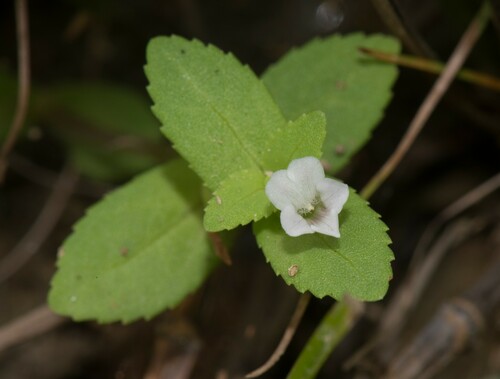
A small herb. It grows 15-25 cm high and spreads 30-50 cm wide. It keeps growing from year to year. It forms mounding clumps. The leaves are oval and have teeth. they are 12-40 mm long. They are bright green and have a few hairs. The flowers are small and blue. They have white centres. The flowers are held above the leaves in open sprays. These can contain 30 flowers.
Edible Uses
The leaves can be used as a tea substitute.
Traditional Uses
The leaves are used for tea.
This uses section is brief — help expand it
Medicinal Uses
The herb acts as a blood purifier and vulnerary. Applied externally, it is used for skin diseases and is considered an effective treatment for itch. Taken internally, an infusion of the leaves was once well regarded for treating coughs, asthma, and catarrh.
Distribution
It is a temperate plant. In Argentina it grows below 500 m above sea level. It suits hardiness zones 3-9.
Where It Grows
Argentina, Asia, Australia, Britain, Central Asia, China, Europe, Kazakhstan, Luxembourg, North America, Norway, Romania, Russia, Scandinavia, USA,
Cultivation
Easily grown in a moderately fertile moisture retentive well drained soil. Prefers cool summers. A good bee plant. A common garden weed, it grows well in a lawn and can be grown in the spring meadow. It is also a good plant for the flower border.
Propagation
Sow seed in autumn in a cold frame, or directly in situ in autumn or spring if seed is plentiful. Prick seedlings into individual pots once large enough and plant out in summer. Divide in autumn or spring — larger divisions can go straight into permanent positions, while smaller ones do best potted up and grown on in light shade until well established, then planted out in summer or the following spring.
Other Uses
None known.
Notes
There are about 250 Veronica species. Also put in the family Scrophulariaceae.
Also Known As
Tveskjeggveronika
References (8)
- Cundall, P., (ed.), 2004, Gardening Australia: flora: the gardener's bible. ABC Books. p 1462
- Facciola, S., 1998, Cornucopia 2: a Source Book of Edible Plants. Kampong Publications, p 230
- Girard, N. J., 2020, Sustainable Foraging of Wild Edible Plants in Norway. A Biocultural Approach. M. Sc. thesis Norwegian University. p 133
- Hibbert, M., 2002, The Aussie Plant Finder 2002, Florilegium. p 305
- Jack, M., Wild Foods and Medicines of Forest Garden Transylvania. http://www.forestgardentransylvania.org/ p10
Show all 8 references Hide references
- Kermath, B. M., et al, 2014, Food Plants in the Americas: A survey of the domesticated, cultivated and wild plants used for Human food in North, Central and South America and the Caribbean. On line draft. p 905
- Plants for a Future database, The Field, Penpol, Lostwithiel, Cornwall, PL22 0NG, UK. http://www.scs.leeds.ac.uk/pfaf/
- Sp. pl. 1:13. 1753