Vangueria infausta subsp. infausta
Hochst.
Wild medlar
iNaturalist· cc-by-sa
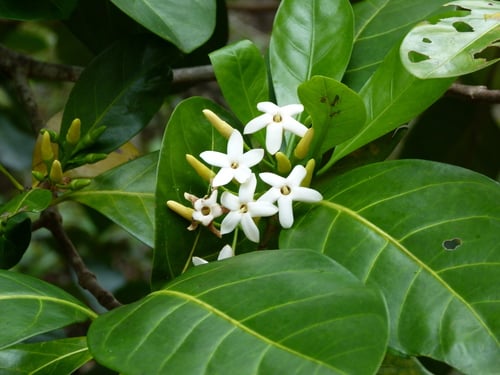
(c) Suvarna Parbhoo Mohan, some rights reserved (CC BY-SA), uploaded by Suvarna Parbhoo Mohan
iNaturalist· cc-by-nc
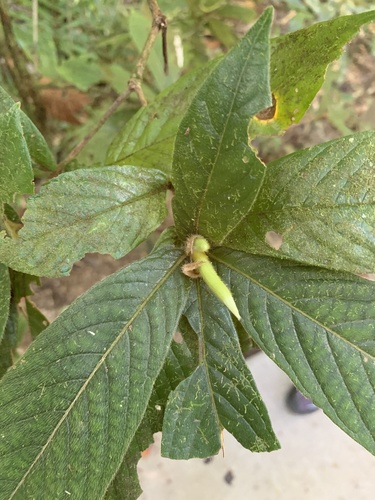
(c) Mark Hyde, Bart Wursten and Petra Ballings, some rights reserved (CC BY-NC)
iNaturalist· cc-by-nc
(c) Mark Hyde, Bart Wursten and Petra Ballings, some rights reserved (CC BY-NC)
Summary
Source: WikipediaVangueria infausta, the medlar or African medlar, is a species of plant in the family Rubiaceae, which is native to the southern and eastern Afrotropics. Some other names for V. infausta in Southern African languages include Mpfilwa in Tsonga, ngayi in Tonga, mmilo in Northern Sotho, muzwilu in Venḓa, umviyo in Southern Ndebele, mothwani in Tswana and umtulwa in Zulu. The fruits are consumed by humans and have a pleasant apple-like flavor. The specific name infausta alludes to a superstition that an evil spirit lives within the tree and the misfortune from its use as firewood which is said to 'unlock' the evil spirit from the wood. Many indigenous african names for V. infausta come from the Prot-Bantu mìdìdò (plural "fires").
Description
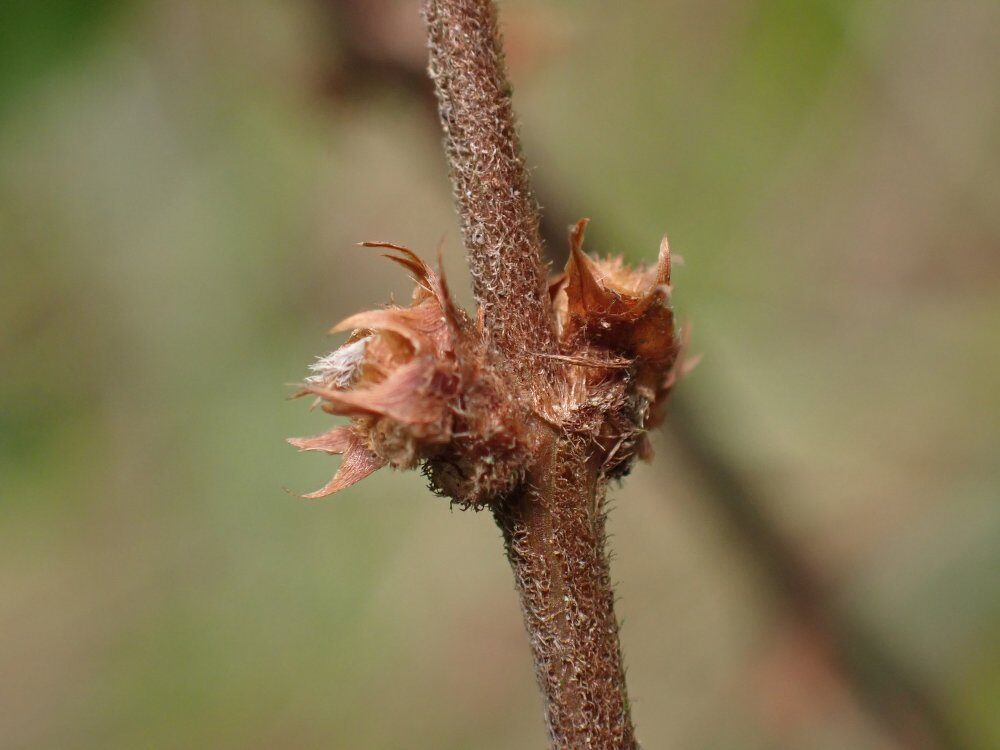
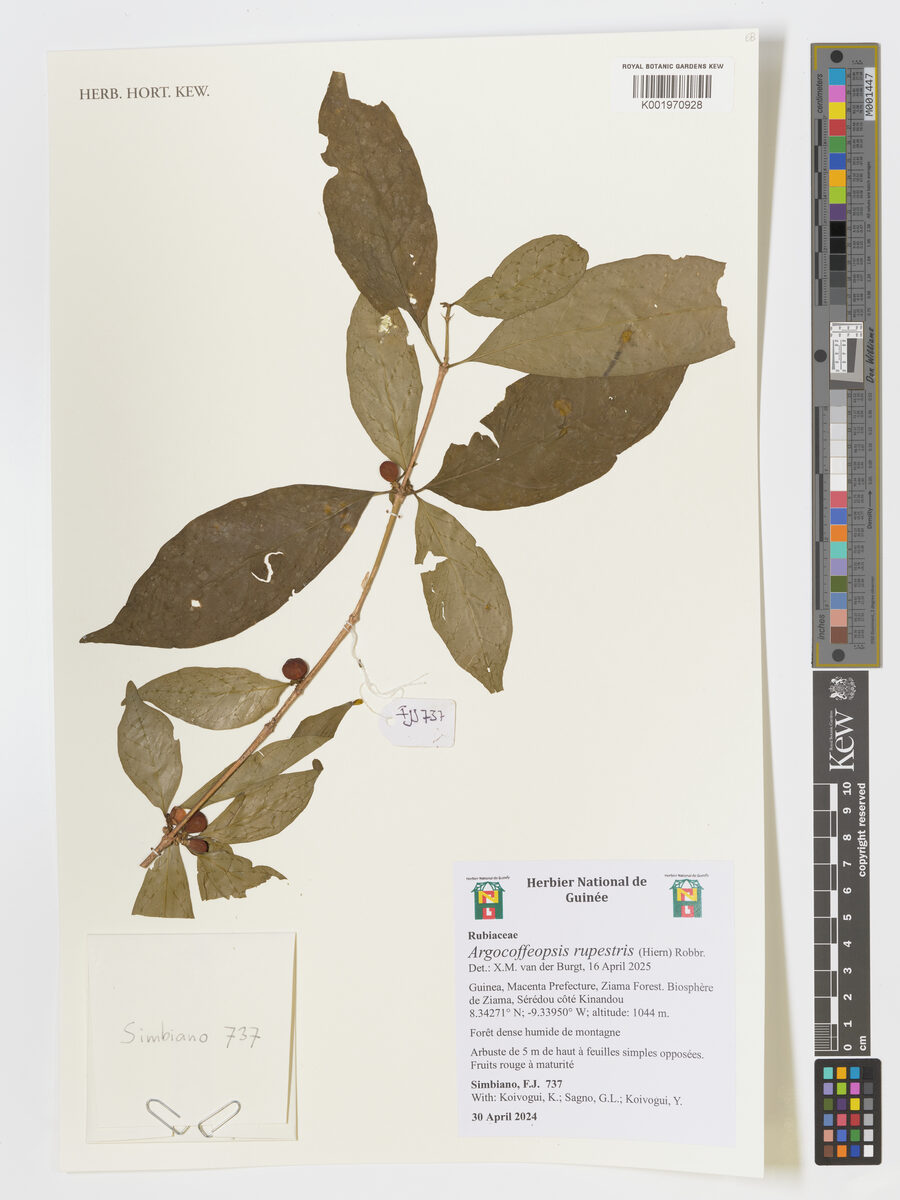
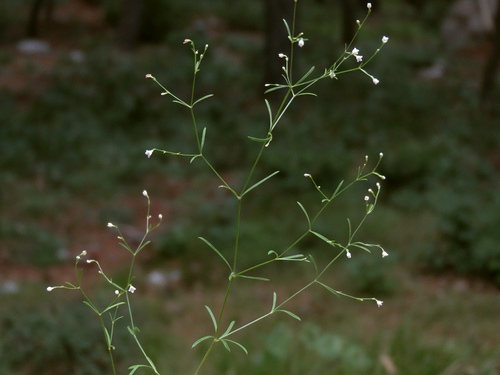
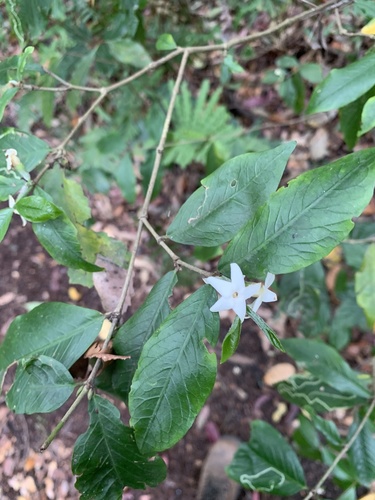
A shrub or small tree. The leaves have a rusty covering. The leaves are broadly oval and 3-8 cm long by 2-5 cm wide. The base is rounded or wedge shaped. The flowers are creamy white. The fruit are about 2 cm across. They are edible.
Edible Uses
The African medlar is a traditional food plant in Africa. This little-known fruit has the potential to improve nutrition, boost food security, foster rural development and support sustainable land care. The fruit are consumed raw or the pulp may be dried and stored for later use, while the seeds may be roasted. Goats and game browse on the leaves, while other animals may consume the fruit on the tree, or after they are shed on the ground. The roots and leaves are used by traditional healers. Thin twigs are prone to being populated by spittlebugs.
Distribution
A tropical plant. It grows in the lowlands. It grows in open forest. It grows in thickets in the savannah.
Where It Grows
Africa, Botswana, East Africa, Kenya, Mozambique, Tanzania, Zambia,
Synonyms
Also Known As
Bombo, M'djululo, M'ziro, Mafila, Mampatabelia, Mgulugai, Msaada, Muiru, Mvilu, Mviu
References (7)
- Dale, I. R. and Greenway, P. J., 1961, Kenya Trees and Shrubs. Nairobi. p 478 (As Vangueria tomentosa)
- FAO. 1983, Food and fruit-bearing forest species 1: Examples from Eastern Africa. FAO Food and Forestry Paper 44/1 p 131 (As Vangueria tomentosa)
- Food Composition Tables for use in Africa FAO http://www.fao.org/infoods/directory No. 1030 (As Vangueria tomentosa)
- http://www.fao.org/forestry/25323-096344a3de335832e8f363c3ac5184a66.pdf (As Vangueria tomentosa)
- INFOODSUpdatedFGU-list.xls (As Vangueria tomentosa)
Show all 7 references Hide references
- Jardin, C., 1970, List of Foods Used In Africa, FAO Nutrition Information Document Series No 2.p 167 (As Vangueria tomentosa)
- Malaisse, F., 1997, Se nourrir en floret claire africaine. Approche ecologique et nutritionnelle. CTA., p 69 (As Vangueria tomentosa)