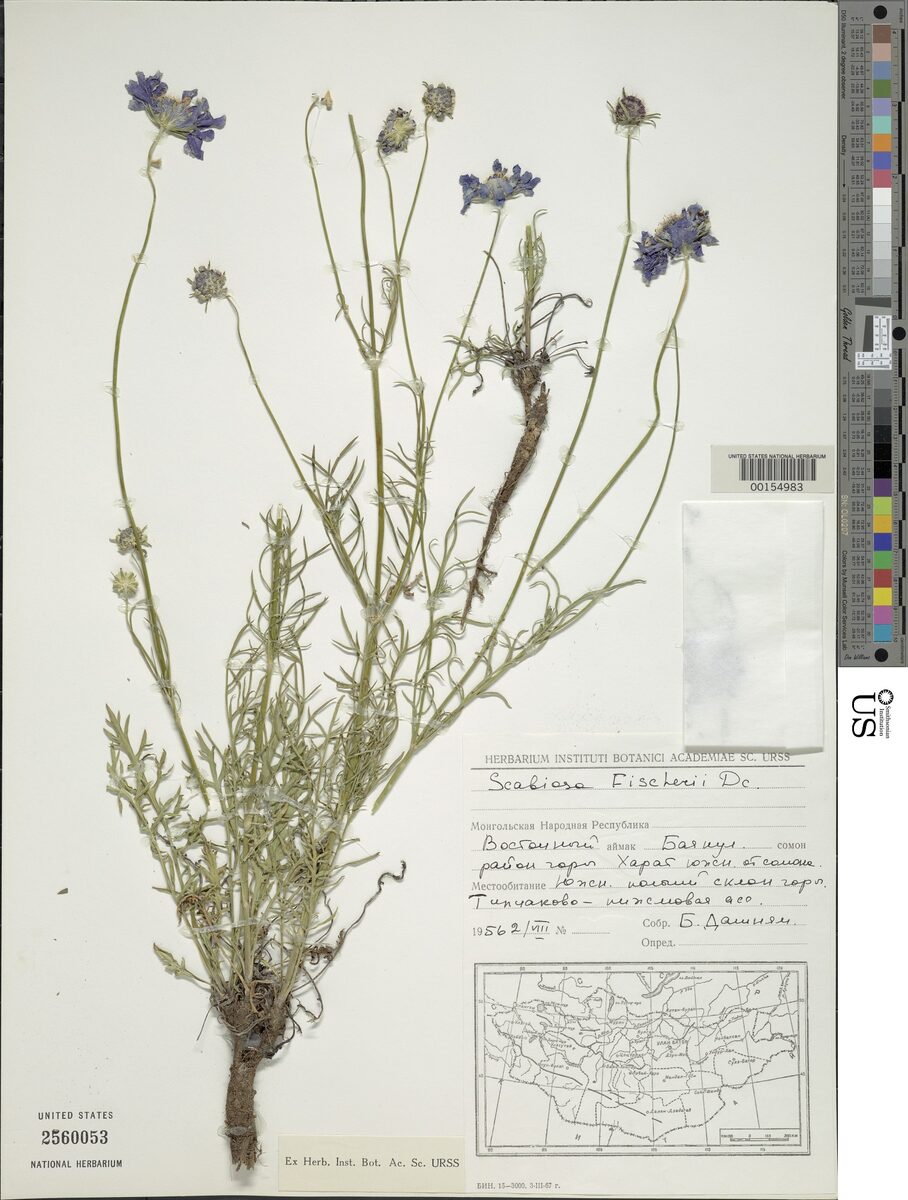
Valeriana celtica
L.
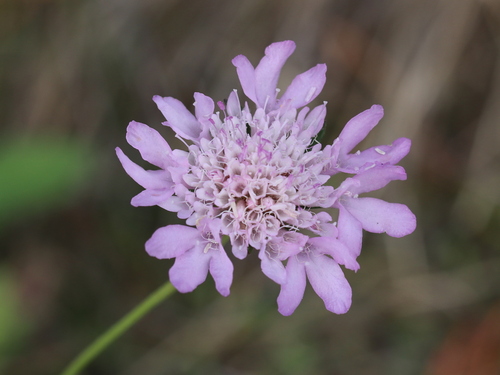
iNaturalist· cc-by-nc
(c) Muriel Bendel, some rights reserved (CC BY-NC), uploaded by Muriel Bendel
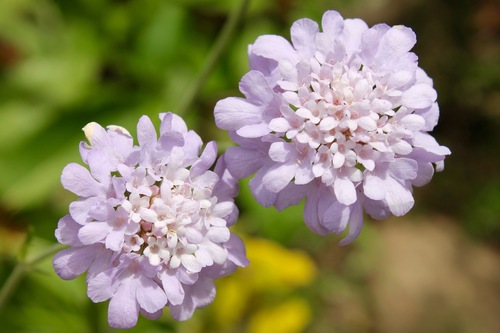
iNaturalist· cc-by-nc
(c) Franck Le Driant, some rights reserved (CC BY-NC)
Summary
Source: WikipediaValeriana celtica is a species of plant in the family Caprifoliaceae. It is also known as Alpine valerian and valerian spikenard. It is endemic to the Eastern Alps (V. celtica subsp. norica) and to the Graian and Pennine Alps. It grows as a perennial herb 5 to 15 cm (2.0–5.9 in) tall. Along with Valeriana saxatilis and Valeriana elongata, it forms a clade of dioecious plants. Until the 1930s, it was extensively harvested for export to Asia for use in perfumes. The root has been used as a folk remedy as a nerve tonic.
Description
Valeriana celtica is a perennial growing to 0.3 m tall that flowers from May to July. The species is dioecious, requiring both male and female plants for seed production; flowers are insect-pollinated. It tolerates light sandy, medium loamy, and heavy clay soils with mildly acid or neutral pH. The plant needs full sun and prefers moist soil.
Edible Uses
The root is edible and has an aromatic flavour.
Medicinal Uses
The whole plant, especially the root, is nervine.
Known Hazards
Some caution is advised with the use of this plant. At least one member of the genus is considered to be poisonous raw and V. officinalis is a powerful nervine and sedative that can become habit-forming.
Distribution
It is a temperate plant.
Where It Grows
Austria, Europe, Switzerland,
Cultivation
Succeeds in ordinary garden soil. A calcifuge plant, it requires an acid soil. The roots are sweetly scented, the aroma resembling chamomile and patchouli. The root used to be exported for use in perfumery etc. Dioecious, male and female plants must be grown if seed is required.
Propagation
Sow seed in spring in a cold frame, barely covering it as light is needed for germination. Prick seedlings out into individual pots when large enough to handle, then plant out into permanent positions in summer if sufficient growth has been made; otherwise overwinter in a greenhouse or frame and plant out early the following summer. Divide in spring — larger divisions can go straight into permanent positions, while smaller ones are best potted up and grown on in light shade in a greenhouse or cold frame until established, then planted out in summer or the following spring.
Other Uses
Roots can be added to bath water to make it aromatic. An essential oil extracted from the roots has a powerful aroma resembling chamomile and patchouli.
Notes
Also put in the family Valerianaceae.
References (2)
- Christanell, A., et al, 2010, The Cultural Significance of Wild Gathered Plant Species in Kartitsch (Eastern Tyrol, Austria) and the Influence of Socioeconomic Changes on Local Gathering Practices. Chapter 3 in Ethnobotany in the New Europe. Berghahn Books.
- Plants for a Future database, The Field, Penpol, Lostwithiel, Cornwall, PL22 0NG, UK. http://www.scs.leeds.ac.uk/pfaf/