Artocarpus kemando
Miq.
Pudau, Pudu
iNaturalist· cc-by-nc-nd
(c) loupok, some rights reserved (CC BY-NC-ND)
iNaturalist· cc-by-nc
(c) Akmal Idham, some rights reserved (CC BY-NC)
iNaturalist· cc-by-nc
(c) Akmal Idham, some rights reserved (CC BY-NC)
Description
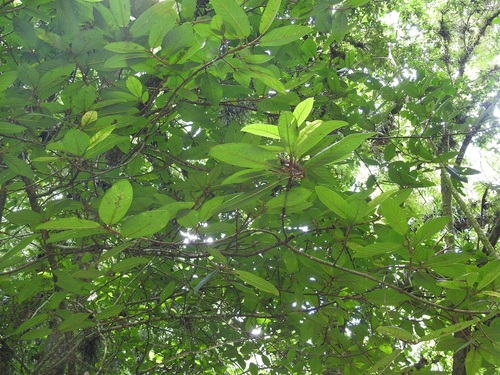
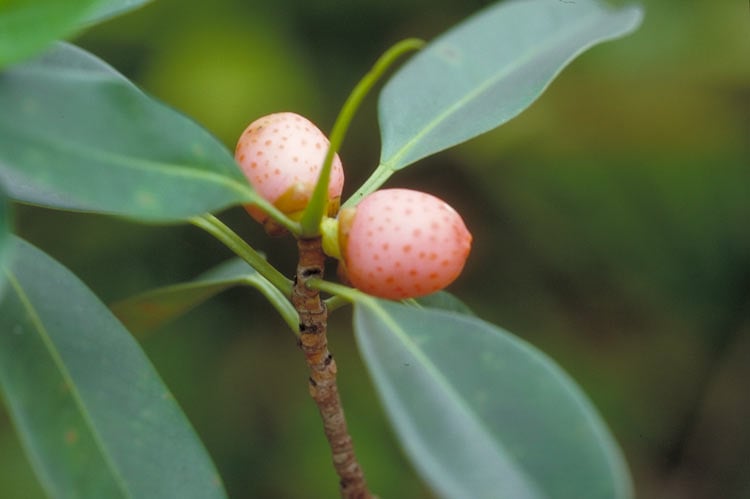
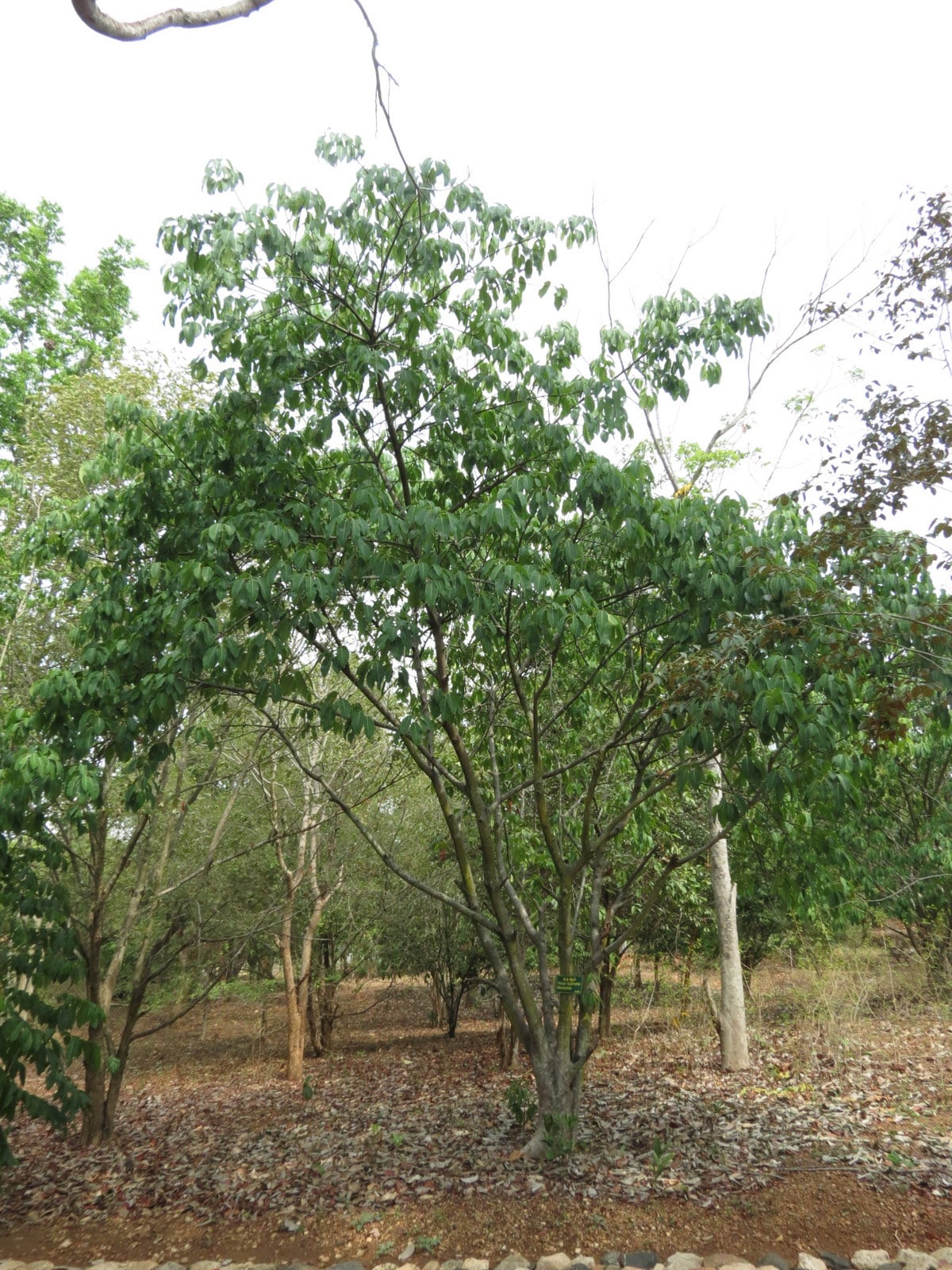
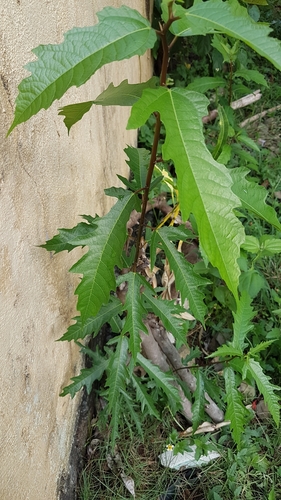
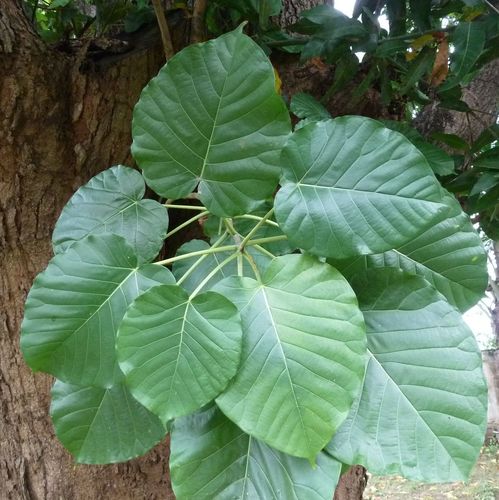
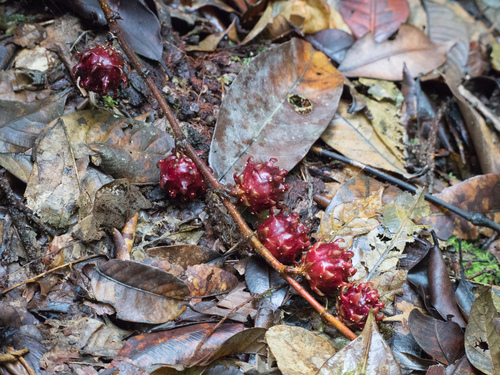
A tree. It grows to 40 m high. The trunk is 80 cm across. There are buttresses 2.5 m high. The bark is pale grey to brown. The twigs are 2-3 mm thick. There are reddish hairs towards the tip. There are ring like scars. The leaves are leathery and oval or sword shaped. They are 5-15 cm long by 2-6 cm wide. The midrib has golden hairs on the upper leaf surface. The edge of the leaf does not have teeth. The base is rounded or tapers. Young leaves can be deeply lobed. The flowers can occur singly or in pairs in the axils of leaves. The male heads are finger like. They are 2-4 cm long by 0.3-0.5 cm wide. The flower stalk is 7-13 mm long and hairy. The fruit is a compound fruit. It is oval and 4 cm long by 2.5 cm wide. It is covered by low flat processes. The fruit stalk is 1.5-4 cm long and hairy. The seeds are rounded and 8 mm long by 5 mm wide. They do not have a fleshy coat. The fruit are edible.
Edible Uses
Fruit - raw. A mild-flavoured pulp. The green fruit is about 25 - 40mm in diameter. The latex obtained from the plant has the taste of coconut milk. It is used in sauces, but too much is known to cause stomach upsets.
Traditional Uses
Small amounts of the latex are used in cooking like coconut milk. The fruit are eaten.
This uses section is brief — help expand it
Known Hazards
The latex can cause stomach aches if too much is eaten.
Distribution
A tropical plant. It grows in lowland forests. In Indonesia it grows up to 450 m altitude. It is often in swampy places.
Where It Grows
Asia, Australia, Brunei, Indochina, Indonesia, Malaysia, Sarawak, SE Asia, Singapore, Thailand,
Cultivation
Plants can be grown from seed.
Propagation
Seed - best extracted from ripe fruits and sown immediately as they cannot withstand desiccation and lose viability within a few week. There is no period of dormancy, the seed usually germinating immediately.
Other Uses
We have no specific information for this species, but it belongs to a group of species whose timber is known as 'terap'. The general description of terap timber is as follows:- The heartwood is yellow to pale brown; it is usually not differentiated from the sapwood. The texture is moderately coarse to coarse and even; the grain is interlocked. The wood is non-durable under tropical conditions. It seasons fairly slowly, with high shrinkage and slight bowing, cupping and checking. It is generally easy to work; saws well; planes easily but leaves a rough finish on radial surfaces; bores and turns easily, but leaves a rough finish;nailing property is good; can be peeled satisfactorily and is suitable for plywood production. Locally, the wood is used for light construction, for making boxes, crates, wooden pallets and veneer. The wood is sometimes nicely figured and therefore is suitable for decorative purposes like furniture, joinery and panelling.
Notes
There are about 50 Artocarpus species. They are in the tropics and subtropics of Asia and the Pacific.
Synonyms
Also Known As
Bodut, Bontorong, Chempedak ayer, Chempedak hutan, Fudu, Kasai, Kian, Kudu, Mangha air, Nangka air, Pudu, Puduk, Purau, Tampang bukit, Tampang gunung, Tegebut, Temedak ayer
References (12)
- Argent, G et al, nd, Manual of the Larger and More important non Dipterocarp Trees of Central Kalimantan Indonesia. Volume 2 Forest Research Institute, Samarinda, Indonesia. p 434
- Bircher, A. G. & Bircher, W. H., 2000, Encyclopedia of Fruit Trees and Edible Flowering Plants in Egypt and the Subtropics. AUC Press. p 43
- Burkill, I.H., 1966, A Dictionary of the Economic Products of the Malay Peninsula. Ministry of Agriculture and Cooperatives, Kuala Lumpur, Malaysia. Vol 1 (A-H) p 258
- Chai, P. P. K. (Ed), et al, 2000, A checklist of Flora, Fauna, Food and Medicinal Plants. Lanjak Entimau Wildlife Sanctuary, Sarawak. Forestry Malaysia & ITTO. p 168
- Hoare, A., 2003, Food use of the Lundayeh SW Sabah. Borneo Research Council.
Show all 12 references Hide references
- Milow, P., et al, 2013, Malaysian species of plants with edible fruits or seeds and their evaluation. International Journal of Fruit Science. 14:1, 1-27
- PROSEA (Plant Resources of South East Asia) handbook, Volume 2, 1991, Edible fruits and nut. p 80
- Slik, F., www.asianplant.net
- Soepadmo, E. and Saw, L. G., 2000, Tree Flora of Sabah and Sarawak. Forestry Malaysia. Volume Three. p 200
- Sukarya, D. G., (Ed.) 2013, 3,500 Plant Species of the Botanic Gardens of Indonesia. LIPI p 138
- Tankard, G., 1990, Tropical fruit. An Australian Guide to Growing and using exotic fruit. Viking p 122
- World Checklist of Useful Plant Species 2020. Royal Botanic Gardens, Kew